
The Irreplaceable Role of Human Authors in Publishing
As the publishing landscape undergoes rapid transformation in 2025, one truth remains constant: human authors are the irreplaceable cornerstone of meaningful literary expression. While technological innovations continue to reshape how books are written, produced, and distributed, the unique value that human creativity brings to publishing has never been more critical or evident.
The Rise of AI and the Human Response
The publishing industry is witnessing an unprecedented integration of artificial intelligence tools, with AI becoming a significant topic of discussion among publishers and authors (5). Recent groundbreaking research published in Science Advances reveals both the promise and limitations of AI in creative writing. The study found that “access to generative AI ideas causes stories to be evaluated as more creative, better written, and more enjoyable, especially among less creative writers. However, generative AI–enabled stories are more similar to each other than stories by humans alone” (1).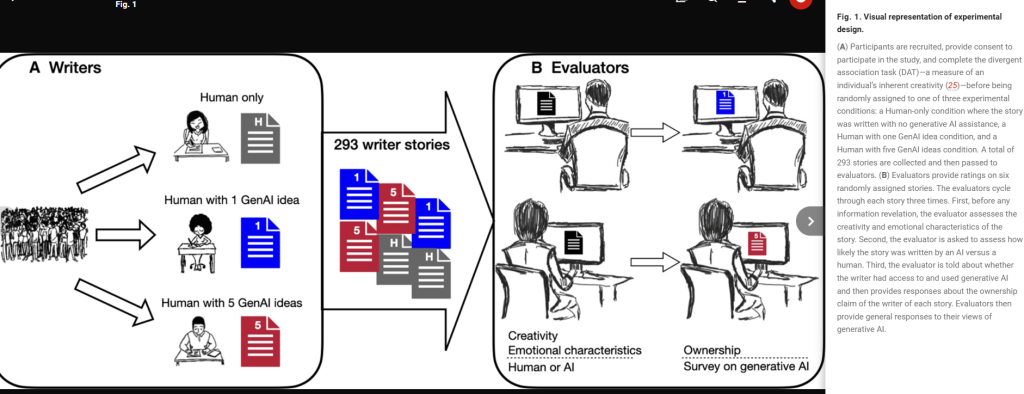
This research illuminates a crucial paradox: while AI may enhance individual output quality, it simultaneously reduces the collective diversity that makes literature vibrant and meaningful. The MIT Technology Review’s analysis of the same research confirms that “while AI improved the output of less creative writers, it made little difference to the quality of the stories produced by writers who were already creative. The stories in which AI had played a part were also more similar to each other than those dreamed up entirely by humans” (2).
Authenticity in an Age of Automation
The importance of authentic human voices has intensified as AI tools proliferate throughout the industry. As one industry analysis notes, “In 2024, building a real, human brand that readers can connect with will be more important than ever” (3). This trend reflects a growing reader appetite for genuine human experiences and perspectives that only human authors can provide.
The research demonstrates that truly creative human authors possess irreplaceable qualities that AI cannot replicate or significantly enhance. While AI can serve as a valuable  tool for less experienced writers, it fails to add meaningful value to the work of already creative authors, suggesting that human creativity at its peak remains unmatched by artificial alternatives.
The Diversity Dilemma
One of the most compelling arguments for human authors lies in the diversity of content they produce. A study in Science Advances reveals a troubling trend: AI-assisted writing contributes to homogenization in storytelling. When writers rely on AI-generated ideas, their stories become increasingly similar to one another, thereby reducing the rich variety of perspectives and approaches that characterize high-quality literature.
Human authors bring their lived experiences, cultural backgrounds, and unique worldviews, creating the authentic diversity that readers crave. This diversity isn’t merely aesthetic—it’s essential for fostering empathy, understanding, and intellectual growth within society. Publishing industry experts recognize this need, noting that “authors can expect a greater push for diverse characters, stories, and authors from underrepresented communities, fostering a literary landscape that mirrors the rich tapestry of human experience” (4).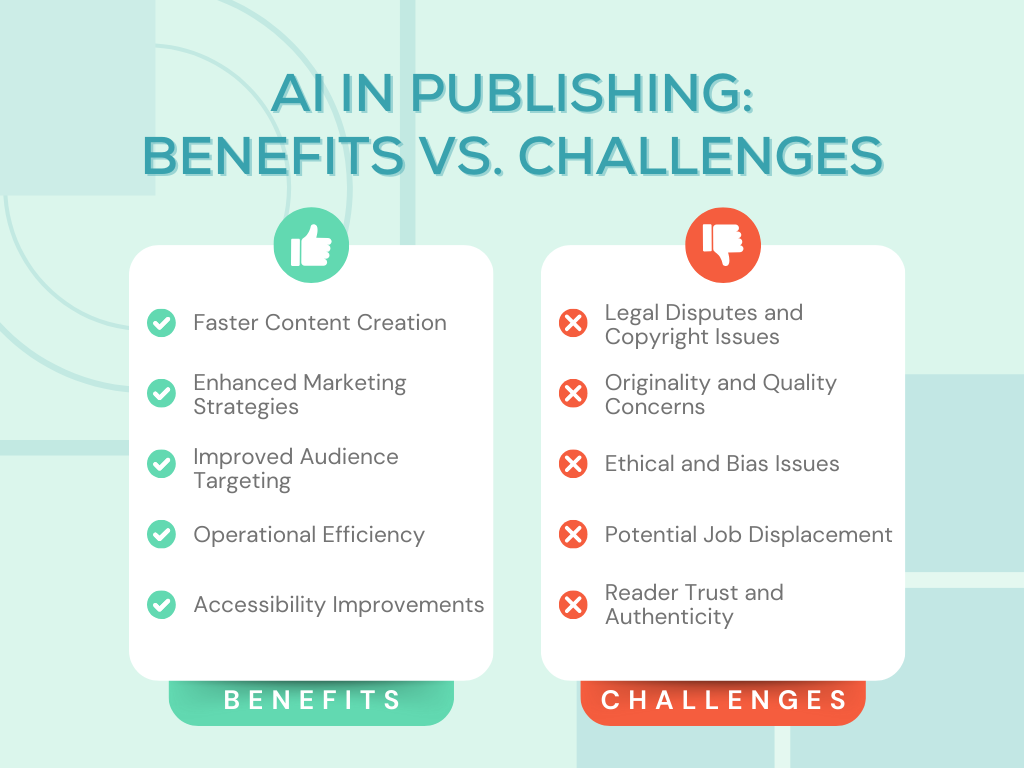
The Creative Process and Human Insight
The creative process itself represents a fundamental difference between human and artificial authorship. Human authors engage in complex emotional and intellectual processes that involve synthesizing personal experiences, cultural knowledge, and imaginative leaps that AI cannot replicate. The ability to infuse writing with genuine emotion, moral complexity, and nuanced understanding of human nature remains a uniquely human trait.
Recent analysis suggests that “as bland, straightforward text becomes commonplace, exciting voices will be more valued” (3). This observation highlights how the proliferation of AI-generated content creates a premium for distinctive human voices and authentic creative expression.
Economic and Cultural Implications
The preservation of human authorship carries significant economic and cultural implications for the publishing industry. Human authors drive reader engagement and loyalty in ways that AI-generated content cannot. Readers form emotional connections with authors, following their work across multiple publications and building communities around shared literary interests.
The publishing industry has recognized this shift, with experts noting the need for publishers to focus on building authentic connections with both authors and readers (6). These human connections represent something that cannot be automated or artificially generated—they emerge from genuine shared experiences and emotions.
The Path Forward
As the publishing industry continues to evolve, the most successful approach involves strategic integration of AI tools while preserving and elevating human creativity. Industry analysis indicates that “new technologies like AI, machine learning, and cross-promotional marketing, as well as collaborative approaches and platform-building, are key trends  for authors working to stand out” (7).
However, this technological integration must be balanced with recognition of AI’s limitations. The research clearly demonstrates that while AI can assist with certain aspects of writing, it cannot replace the fundamental human elements that make literature meaningful: empathy, moral reasoning, and the ability to capture the complexities of human existence.
Reader Connection and Trust
In an era where AI-generated content is becoming increasingly prevalent, readers are valuing transparency and authenticity more than ever. They want to know that the stories they’re reading come from genuine human experiences and emotions. Creating a premium for clearly human-authored works establishes trust between authors and their audiences.
The publishing industry’s continued success will ultimately depend on recognizing, supporting, and celebrating the irreplaceable contributions of human authors. In an age of increasing automation, the authentic human voice becomes not just valuable but essential for literature that genuinely matters. As the industry adapts to new technologies, the core mission remains unchanged: connecting human experiences through the power of storytelling.
Sources
- Arawjo, I., Wang, S., Guo, A., Ma, E., & Grosz, B. (2024). Generative AI enhances individual creativity but reduces the collective diversity of novel content. Science Advances, 10(28). https://www.science.org/doi/10.1126/sciadv.adn5290
- MIT Technology Review. (2024, July 12). AI can make you more creative—but it has limits. Retrieved from https://www.technologyreview.com/2024/07/12/1094892/ai-can-make-you-more-creative-but-it-has-limits/
- Written Word Media. (2024, January 3). The Top 10 Publishing Trends for 2024. Retrieved from https://www.writtenwordmedia.com/the-top-10-publishing-trends-for-2024/
- Atmosphere Press. (2024, April 25). Publishing Trends 2024: Insights and Advice. Retrieved from https://atmospherepress.com/publishing-trends-2024/
- Matesic, A. (2024, August 15). Book Publishing Trends 2024: 3 Predictions from a Professional Book Editor. Retrieved from https://www.alyssamatesic.com/free-writing-resources/publishing-trends-2024
- Ingram Content. (2024). 5 Publishing Industry Trends for 2024. Retrieved from https://www.ingramcontent.com/publishers-blog/5-publishing-industry-trends-for-2024
- Izzard Ink Publishing. (2023, December 14). Exploring Publishing Trends For 2024. Retrieved from https://izzardink.com/publishing-trends/