
Why Full-Time Library Staff Wages Often Fall Below the Living Wage Threshold
America’s libraries offer free access to information, technology, educational programs, and cultural resources. Yet the dedicated professionals who staff these facilities frequently earn wages that fail to meet basic living standards. This disconnect between the essential services libraries provide and the compensation their workers receive reflects deeper structural issues in public sector funding, workforce classification, and the undervaluation of information work.
The Wage Reality for Library Workers
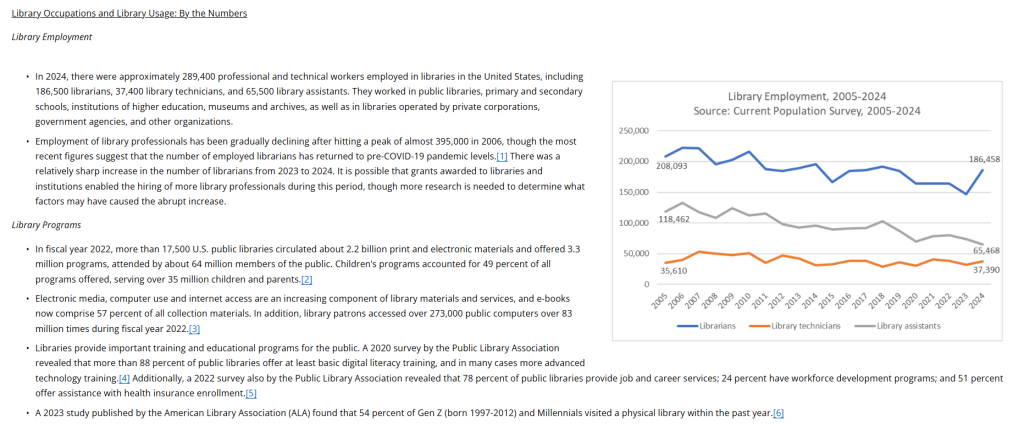
The average hourly pay for library staff in the United States is $15.74, with most wages ranging from $11.78 to $17.55 per hour, according to recent employment data [1]. For library assistants specifically, the mean hourly wage is $18.22, while library technicians earn a mean hourly wage of $20.70 [2]. These figures translate to annual salaries well below what many economists consider necessary for financial stability.
https://www.dpeaflcio.org/factsheets/library-professionals-facts-and-figures
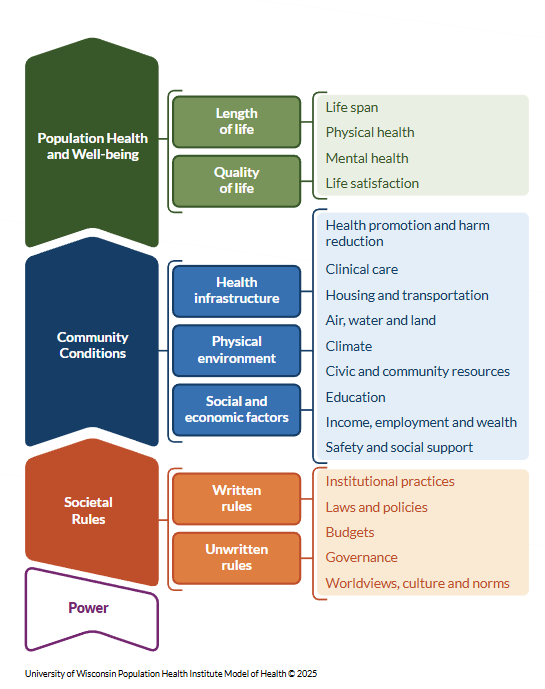
Meanwhile, living wage calculations paint a starkly different picture of what workers actually need to survive. In Washington, D.C., the living wage for a single individual is $20.80 per hour, or $43,258 annually [4]. Even in lower-cost states, the gap remains significant. Georgia’s living wage for a single person is approximately $15.99 per hour [5], meaning that library workers earning at the 25th percentile nationwide fall short of meeting basic needs even in more affordable regions.
The situation becomes more acute when family responsibilities are considered. For library workers supporting children, the financial strain is particularly severe. The living wage threshold rises dramatically for households with dependents, yet library wages remain largely static across family sizes.
https://www.countyhealthrankings.org/health-data/community-conditions/social-and-economic-factors/income-employment-and-wealth/living-wage?year=2025
Structural Funding Constraints
Public libraries operate within tight budgetary constraints that directly impact staff compensation. Most public libraries rely heavily on local property taxes and state funding, which fluctuate with economic conditions and political priorities. This funding model creates inherent instability and limits institutions’ ability to offer competitive wages.
Recent years have witnessed a significant erosion of library funding at multiple levels. Ohio’s public libraries experienced a $27 million loss of state funding in 2024 compared with 2023, leaving them at levels equivalent to those 25 years earlier [8]. This regression demonstrates that libraries struggle to maintain services, let alone to increase staff compensation to keep pace with rising cost-of-living pressures.
Federal support, while never the primary funding source, has also faced threats. The Institute of Museum and Library Services provided $266.7 million in 2024—representing just 0.003 percent of the federal budget [7]. Despite this modest investment, recent administrative actions have targeted even this minimal support, further constraining resources available for library operations and staff compensation.
Urban library systems face particular pressure. New York City’s three public library systems confronted $58.3 million in proposed budget cuts, forcing difficult decisions between maintaining hours of operation and preserving staff positions [10]. Such budgetary pressures create a zero-sum scenario in which wage increases are nearly impossible without sacrificing services or jobs.
The Paraprofessional Classification Dilemma
Many library workers fall into paraprofessional categories—positions that require significant skill and expertise but are classified below professional librarian roles. This classification system contributes to wage suppression by creating artificial distinctions that undervalue the complex work these employees perform.
Library assistants, technicians, and other support staff handle diverse responsibilities, including reference services, technology assistance, cataloging, community programming, and patron services. Despite performing work that directly serves the public and requires specialized knowledge, these positions typically lack the wage protections and advancement opportunities afforded to credentialed librarians.
 Library paraprofessionals earn an average of $17.42 per hour, with the majority earning between $13.94 and $19.47 [11]. These wages place many paraprofessional library workers in the same financial precarity faced by education paraprofessionals, who similarly struggle to make ends meet. Education paraprofessionals in Connecticut earn annual salaries of approximately $27,000, with a third working two or more jobs—a pattern that mirrors the financial challenges of library paraprofessionals nationwide [9].
The paraprofessional designation creates a structural barrier to adequate compensation. Without formal recognition of the professional-level skills and judgment these roles require, library systems can justify pay scales below the living wage that would be untenable for positions classified as thoroughly professional.
Geographic Disparities and Cost of Living Mismatches
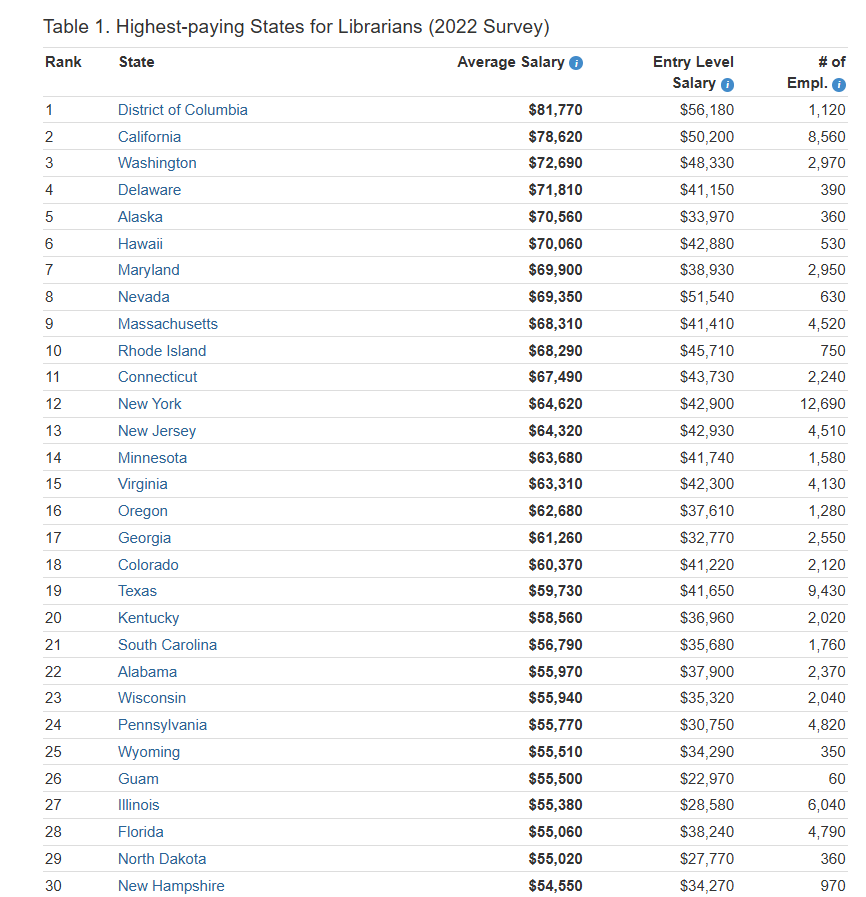
Location dramatically influences the gap between library wages and living costs. While library staff compensation varies somewhat by region, these adjustments rarely keep pace with actual cost-of-living differences. Librarians in the District of Columbia earn a mean annual salary of $94,300, followed by Washington, California, Maryland, and New York [3]. Yet, even these higher wages may not provide genuine financial security in high-cost metropolitan areas.
The living wage in expensive cities far exceeds the earnings of even well-paid library professionals. In New York City, the living wage is $42.49 per hour as of 2025 [6]. Many library workers in the city earn between $19 and $24 per hour, leaving individuals with full-time employment unable to afford basic living expenses without public assistance or multiple jobs.
This geographic wage-cost mismatch has real consequences for library staffing. More than a quarter of paraprofessionals report that they cannot afford to live in the community where they work [2], resulting in long commutes or dependence on government assistance. This dynamic makes library careers less sustainable, particularly in the expensive metropolitan areas where libraries serve the largest populations.
The Perception Problem: Undervaluing Information Work
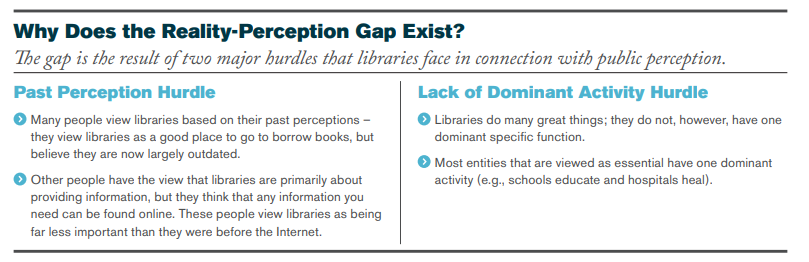
Libraries face a perception problem that directly affects staff compensation. While communities broadly support library services, the intensive intellectual and emotional labor required to deliver those services remains largely invisible. Reference work, reader’s advisory, technology instruction, community programming, and collection development all demand expertise, yet these skills are often taken for granted.
https://www.ala.org/sites/default/files/united/content/advocacy/Es%20of%20Library%20Expanded%20Doc%20Color.pdf
This undervaluation manifests in funding decisions. When local governments face budget pressures, libraries frequently absorb disproportionate cuts. The perception of libraries as “nice to have” rather than essential infrastructure enables political leaders to reduce library funding with less resistance than comparable cuts to police, fire, or public works departments.
The composition of the workforce also influences compensation patterns. Women predominantly hold library occupations,
and gender-based wage gaps persist even within the profession. This demographic reality compounds the devaluation of library work, as occupations historically dominated by women receive lower compensation than male-dominated fields that require comparable education and skills.
Limited Career Advancement and Wage Growth
Library careers often offer limited pathways for wage advancement. The average salary varies very little—only about 16 percent—between the highest- and lowest-paying cities [1], suggesting limited potential for wage growth even with geographic mobility. Within individual institutions, advancement opportunities may be scarce, particularly in smaller
https://www.usawage.com/high-pay/states-librarians.php
library systems with flat organizational structures.
Part-time employment further complicates the wage picture. Many libraries rely heavily on part-time staff to maintain flexibility and manage costs. Still, part-time positions typically offer lower hourly wages, no benefits, and no path to full-time status. This staffing model creates a multi-tiered workforce where many employees remain permanently trapped in precarious, below-living-wage positions.
Even full-time library workers may see minimal wage growth over their careers. Annual raises, when they occur, often amount to cost-of-living adjustments that barely keep pace with inflation, let alone close the gap between current wages and living wage thresholds. Without strong union representation or local advocacy, individual library workers have limited leverage to negotiate higher compensation.
The Human Cost and Workforce Implications
The consequences of below-living-wage employment in libraries extend beyond individual financial hardship. When skilled professionals cannot afford basic living expenses, workforce quality suffers. Libraries struggle to attract and retain talented staff, particularly younger workers facing student debt and high housing costs.
High turnover rates lead to the loss of institutional knowledge and disrupt patron services. The time and resources required to recruit and train replacement staff divert attention from service improvements and community programming. A workforce characterized by financial stress and job insecurity cannot deliver the consistent, high-quality services communities deserve.
Many library workers cope with low wages by taking on multiple jobs, which reduces their effectiveness in their primary role due to exhaustion and divided attention. Others leave the profession entirely, seeking more financially viable career paths. This attrition depletes the library field of experienced professionals and makes it harder to maintain the expertise necessary to serve increasingly complex community needs.
Moving Forward: Pathways to Adequate Compensation
Addressing the library wage crisis requires multifaceted action. Advocates must articulate the economic and social value libraries provide, making the case for increased public investment. Library funding should be tied to community needs and inflation, ensuring that resources keep pace with service demands and cost-of-living increases.
Reclassifying paraprofessional positions to recognize their professional-level responsibilities could justify higher wage floors. Implementing transparent pay scales and regular
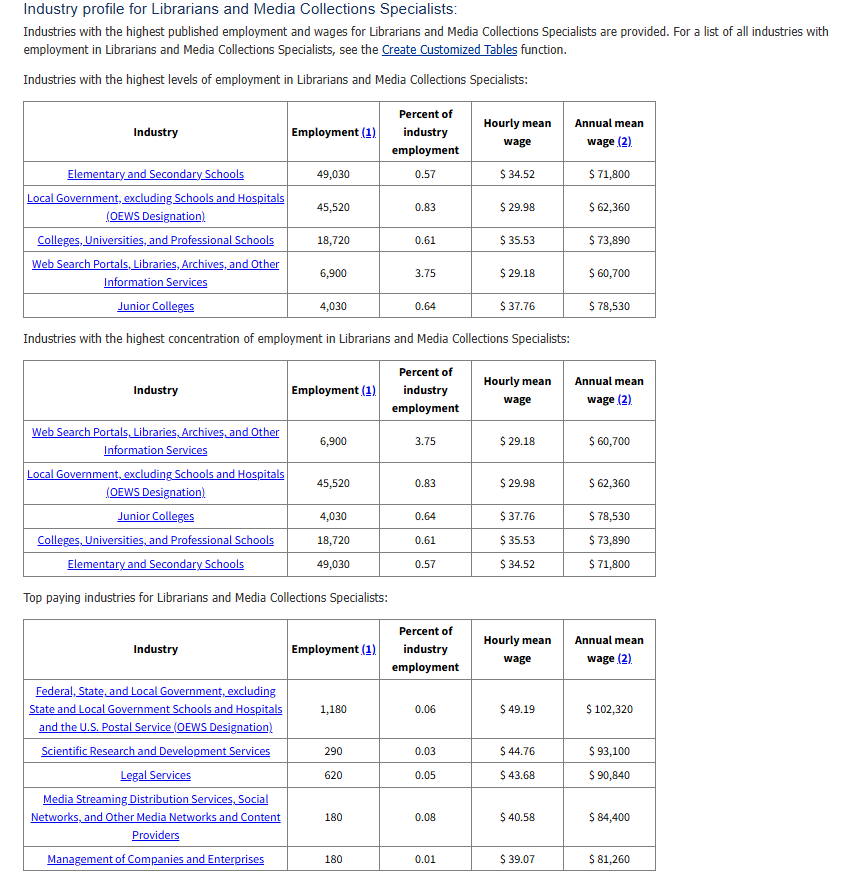
https://www.bls.gov/oes/2023/may/oes254022.htm (copy and paste link in browser to view site)
wage adjustments based on living wage calculations would establish clear standards and reduce arbitrary compensation decisions.
More effective labor organizing offers another pathway to higher wages. Union representation has proven effective in securing wage increases, benefits, and working conditions for library staff. Library professionals at Grandview Heights Public Library in Ohio won 12 percent raises over their contract term after ratifying their first union agreement [2], demonstrating the tangible benefits of collective bargaining.
Ultimately, communities must confront an uncomfortable truth: expecting dedicated professionals to subsidize library services through below-living-wage compensation is neither sustainable nor just. Libraries enrich communities, support economic opportunity, and strengthen democracy. The workers who make these contributions possible deserve compensation that allows them to live with dignity in the communities they serve. Until library wages meet living-wage thresholds, the institutions Americans claim to value will continue to struggle with workforce instability, limited capacity, and the moral burden of perpetuating poverty among their own employees.
Sources
[1] ZipRecruiter. (2025). Library Staff Salary: Hourly Rate, October,2025, USA. Retrieved from https://www.ziprecruiter.com/Salaries/Library-Staff-Salary
[2] Department for Professional Employees, AFL-CIO. (2025, June 11). Library Professionals: Facts, Figures, and Union Membership. Retrieved from https://www.dpeaflcio.org/factsheets/library-professionals-facts-and-figures
[3] U.S. Bureau of Labor Statistics. (2024). Librarians and Library Media Specialists: Occupational Outlook Handbook. Retrieved from https://www.bls.gov/ooh/education-training-and-library/librarians.htm
[4] County Health Rankings & Roadmaps. (2025). Living Wage. Retrieved from https://www.countyhealthrankings.org/health-data/community-conditions/social-and-economic-factors/income-employment-and-wealth/living-wage
[5] World Population Review. (2025). Living Wage by State 2025. Retrieved from https://worldpopulationreview.com/state-rankings/livable-wage-by-state
[6] Living Wage for the U.S. (2025, April). Retrieved from https://livingwageforus.org/get-certified/
[7] Education Week. (2025, March 28). Trump Admin. Cuts Library Funding. What It Means for Students. Retrieved from https://www.edweek.org/policy-politics/trump-admin-cuts-library-funding-what-it-means-for-students/2025/03
[8] Ohio Library Council. (2024, November 19). Ohio House Budget Reduces Public Library Funding by $100 Million. Retrieved from https://members.olc.org/news/Details/ohio-house-budget-reduces-public-library-funding-by-100-million-259735
[9] Hayes, Jahana (Congresswoman). (2024, January 31). Hayes Introduces Resolution Calling for Living Wages, Good Benefits, and Fair Working Conditions for Paraprofessionals and Education Support Staff. Retrieved from https://hayes.house.gov/2024/1/hayes-introduces-resolution-calling-for-living-wages-good-benefits-and-fair-working-conditions-for-paraprofessionals-and-education-support-staff
[10] The New York Public Library. (2024, March 12). NYC’s Public Libraries Call for Reversal of $58.3M in Proposed Budget Cuts. Retrieved from https://web.nypl.org/press/nycs-public-libraries-call-reversal-583m-proposed-budget-cuts
[11] ZipRecruiter. (2025, September). Library Paraprofessional Salary: Hourly Rate. Retrieved from https://www.ziprecruiter.com/Salaries/Library-Paraprofessional-Salary