Celebrating December’s Holidays: A Guide for Libraries
 December transforms libraries into vibrant and colorful information centers where cultural celebrations meet educational programming. As institutions serving diverse communities, libraries have an opportunity to create programming that respects multiple traditions while fostering genuine learning.
Understan ding December’s Celebrations
December hosts numerous significant holidays across cultures. Hanukkah, the eight-day Jewish Festival of Lights, commemorates the rededication of the Second Temple and the miracle of oil that burned for eight days. Kwanzaa, celebrated December 26 through January 1, honors African American culture through seven principles represented by the kinara candleholder and daily candle lighting. The Winter Solstice, occurring around December 21-22, marks the shortest day and longest night and is celebrated across cultures as a time of renewal. Christmas, Las Posadas, and other traditions add to the season’s rich tapestry.
Proven Programming Approaches
Multi-Holiday Light Celebrations
Programming Librarian describes a successful “Light Up the Holidays” program that centers on light as a common theme across Hanukkah, Christmas, Kwanzaa, and Winter Solstice, featuring four light-themed crafts and stories, including “Latke the Lucky Dog,” “Kevin’s Kwanzaa,” and “The Shortest Day. This approach enabled children to learn how each holiday was distinct yet relatable.
The Free Library of Philadelphia offers dedicated celebrations throughout December, including a Hanukkah Celebration with stories, crafts, and refreshments; a Winter Solstice Celebration; and a Kwanzaa program featuring an explanation of the holiday, a story, candle lighting, and a recipe.
Universal and Inclusive Programming
Many libraries successfully offer programs that are accessible to everyone. Fairfax County Public Libraries hosts DIY Holiday Ornament Making, Holiday Card and Gift Tag Making, and wreath-making workshops—craft activities that allow participants to create items meaningful to their own celebrations.
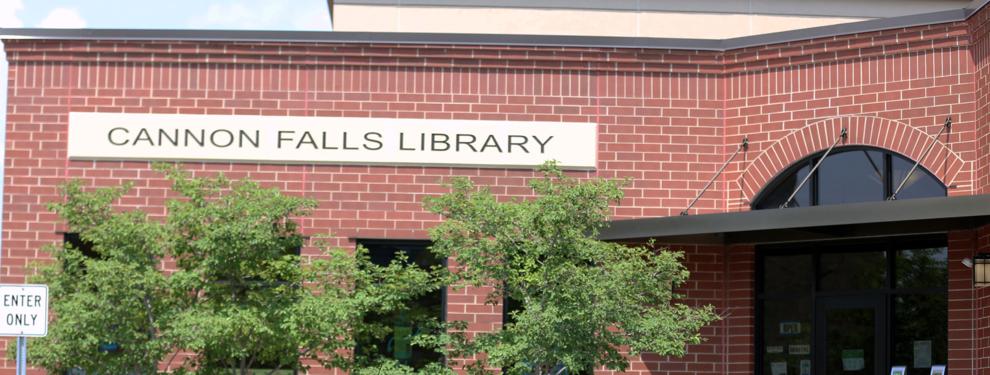 Gift-making programs help library statistics while spreading goodwill and reducing holiday stress. Cannon Falls Library created a “Disguise a Gingerbread Person” activity where children disguise gingerbread cutouts as favorite characters, movie stars, or family members.
Educational Displays and Reading Challenges
The Dauphin County Library System’s Festival of Cultures program displays posters that explain December celebrations from different cultures, including Christmas, Hanukkah, Kwanzaa, and Dia de Los Reyes, thereby creating an inclusive atmosphere that acknowledges the county’s cultural wealth.
Beanstack recommends organizing reading challenges around themes like Kwanzaa and Hanukkah, pairing reading with craft sessions to make unity cups, menorahs, or Winter Solstice lanterns inspired by featured books.
Best Practices for Respectful Programming
Know Your Community: The American Library Association recommends libraries develop programs that address the unique needs of specific communities. Survey your community to identify which holidays local families celebrate and which traditions require representation.
Emphasize Education: Rather than hosting religious celebrations, offer educational programs about various traditions. Focus on cultural learning and understanding rather than replicating religious observances.
Use Inclusive Language: When marketing programs, use terms like “seasonal,” “winter,” or “festive” to encompass all December celebrations. Create displays representing multiple traditions or universal winter themes.
Make Programming Optional: Remember that some families don’t celebrate December holidays. Libraries should remain welcoming spaces for everyone, regardless of their religious or cultural affiliations.
Creating Year-Round Inclusive Culture
The American Library Association emphasizes that library collections and programs should meet the needs of every user to ensure everyone feels they belong year-round. This entails hosting cultural celebrations at their most significant times throughout the year, building diverse collections, and partnering with community organizations representing diverse cultural groups.
Sources
- 5 Minute Librarian. “Holiday Programming Ideas.” http://www.5minlib.com/2018/11/holiday-programming-ideas.html
- Fairfax County Public Library. “Free Holiday Activities at the Library in December.” https://www.fairfaxcounty.gov/library/news/2025-Winter-Reading-Adventure
- Cannon Falls Beacon. “December Cannon Falls Library Programming.” https://www.cannonfallsbeacon.com/news/december-cannon-falls-library-programming/article_0e6e8af1-e42b-460d-a2bd-2ecdb5211b2e.html
- Programming Librarian. “Light Up the Holidays: Stories and Crafts.” https://programminglibrarian.org/programs/light-holidays-stories-and-crafts
- Beanstack. “Host a Culturally Inclusive Reading Challenge.” https://www.beanstack.com/blog/holidays-around-the-world-book-recommendations-activities
- Free Library of Philadelphia. “Celebrate the Holiday Season.” https://libwww.freelibrary.org/calendar/tag/christmas
- United Way Heart of Florida. “A Winter’s Tale: Exploring Hanukkah, Yule, and Kwanzaa.” https://www.hfuw.org/a-winters-tale-exploring-hanukkah-yule-and-kwanzaa/
- Dauphin County Library System. “Library’s Festival of Cultures Illuminates the Celebrations of December.” https://www.dcls.org/events-programs/
- American Library Association. “Programming to Promote Diversity.” https://www.ala.org/advocacy/diversity/culturalprogrammingtopromotediversity
- American Library Association. “Equity, Diversity, Inclusion, and Belonging: An Interpretation of the Library Bill of Rights.” https://www.ala.org/advocacy/intfreedom/librarybill/interpretations/EDI