America Celebrates National Library Week
 Every April, something quietly extraordinary happens in libraries across the United States. Storytimes fill with toddlers; makerspaces hum with activity; bookmobiles roll into neighborhoods they serve year-round. The occasion is National Library Week, an annual observance that turns an ordinary week into a nationwide tribute to one of America’s most enduring public institutions. First sponsored in 1958 with the rallying theme “Wake Up and Read!” the week has grown from a literacy promotion campaign into a rich, multi-day celebration that encompasses advocacy, gratitude, outreach, and community.[1]
From a Reading Campaign to a National Tradition
The origins of National Library Week lie in a concern that was very much of its era. By the mid-1950s, research showed that Americans were spending less on books and more on radios, televisions, and musical instruments.[2] Alarmed by declining reading habits, the American Library Association (ALA) and the American Book Publishers formed a nonprofit organization called the National Book Committee in 1954. Three years later, the committee developed a plan for National Library Week based on the idea that once people were motivated to read, they would naturally support and use their local libraries.[2] With backing from the Advertising Council, the first observance was launched in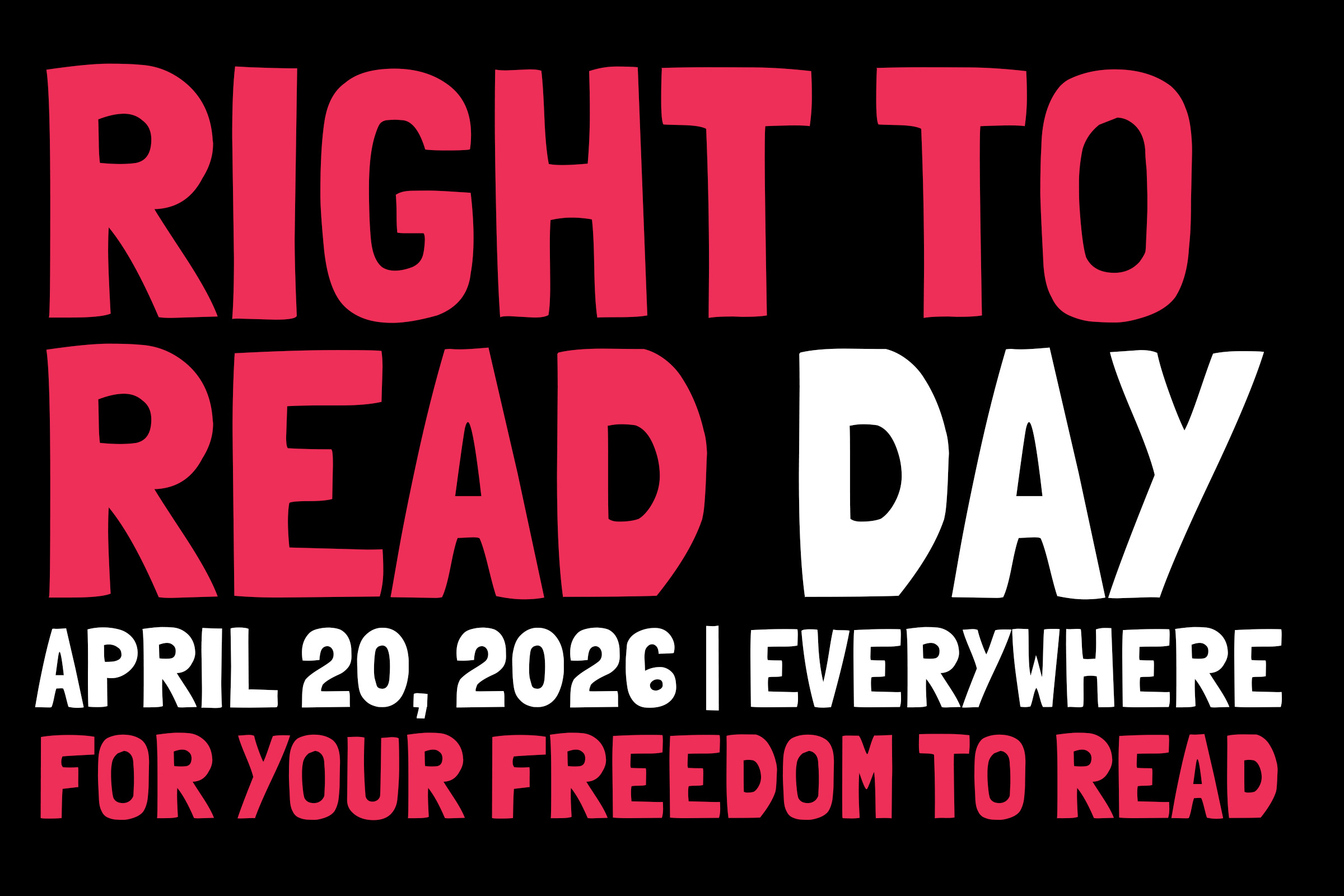 1958. When the National Book Committee disbanded in 1974, the ALA assumed full sponsorship and has organized the week ever since.[3]
Today, National Library Week is sponsored by the ALA and libraries of every type — public, school, academic, and special — across the country. According to the U.S. Census Bureau, there are an estimated 117,000 libraries in the United States, employing some 91,500 full-time and 93,000 part-time workers.[4] The week provides a focal point for all of them. The 2025 observance, held April 6–12, marked the 67th anniversary of the first event.[1]
An Annual Theme Sets the Tone
Each year’s celebration is anchored by a theme chosen by the ALA to reflect the current moment in library culture. In 2025, the theme was “Drawn to the Library,” an invitation for communities to discover — or rediscover — everything that draws people through library doors. The phrase doubled as a nod to the year’s honorary chairs: award-winning author and illustrator Raina Telgemeier and cartoonist Scott McCloud, both celebrated figures in the graphic novel world.[5] For 2026, the theme shifts to “Find Your Joy!” — an invitation for people of all backgrounds to explore what sparks joy for them at the library, accompanied by a creative contest inviting patrons to submit original drawings, poems, photos, and other works.[3]
The themes are more than marketing. They shape programming decisions at libraries nationwide, guiding everything from display curation to speaker bookings to social media campaigns during the week.
A Week of Focused Observances
National Library Week is structured around several designated days, each with its own emphasis. The first day of the week is Right to Read Day, a national day of action in support of the freedom to read.[5] It also marks the release of the ALA’s annual State of America’s Libraries Report, which includes the list of the year’s most challenged books — an increasingly prominent feature given that the ALA has tracked more book challenges in recent years than at any point since it began keeping records more than two decades ago.[6]
 Tuesday of the week is National Library Workers Day, a time for library staff, patrons, administrators, and community supporters to recognize the contributions of everyone who makes libraries function. Many branches use the day for small celebrations, social media shout-outs, and community card-writing for staff.[7] Wednesday brings National Library Outreach Day, dedicated to the library professionals who meet their patrons outside the building — through bookmobiles, community pop-ups, school visits, and programs for residents who cannot easily access a branch.[3] Thursday is Take Action for Libraries Day, a day when the ALA and local libraries encourage patrons and advocates to contact elected officials, attend tours, and make the case for public library funding.[3]
Some observances also include Digital Collections Day on Friday, spotlighting the vast databases, streaming services, e-books, and research tools that libraries provide — resources often unavailable on the open, unfiltered internet and accessible free to anyone with a library card.[7]
How Libraries Marked the Week
Individual libraries interpret National Library Week in ways that suit their communities. Marin County Free Library used its 2025 celebration to highlight the breadth of what it offers beyond books: artwork, museum passes, a telescope available for loan, educational programs for all ages, a Bookmobile, a Learning Bus, and its Library Beyond Walls delivery service for residents who cannot visit a branch in person.[6]
Other libraries took patron-participation approaches. Milwaukee Area Technical College Libraries invited the community to fill out “Drawn to the Library” sheets all week long, explaining what draws them to the library, with responses posted in common areas — a simple but effective way to draw patrons into co-creating the celebration.[7] Academic libraries like those at Appalachian State University partnered with local public libraries, parking the Watauga County Public Library’s outreach van on campus to help students sign up for public library cards on the spot.[5]
From storytimes to makerspaces, author talks to job support, libraries use the week as an opportunity to demonstrate that they are places where curiosity and connection come to life. The ALA encourages libraries to offer something for every type of visitor — from young families stopping in for play and storytime to seniors seeking tech help and everyone in between.[3]
How Patrons Can Participate
For everyday library users, National Library Week offers a range of ways to engage. The most straightforward option is simply to visit a branch, explore a new section, attend a program, or check out a title that has been challenged or banned. The Atlanta-Fulton Public Library Foundation encouraged patrons to attend at least one event during the week, to use digital resources if a branch visit isn’t possible, to encourage friends and family to get a library card, and to consider making a gift to support community programming.[8]
Advocacy is another dimension. Libraries are primarily funded at the local and state levels, meaning patrons’ political engagement matters.[8] On Take Action for Libraries Day in particular, the ALA urges community members to contact their congressional representatives and local officials to advocate for library funding and the freedom to read. In 2026, with federal library funding described as hanging in the balance, that call to action has taken on additional urgency.[3]
Social media participation has also become a fixture of the week. Library systems encourage patrons to share why they love their library using themed hashtags, post photos of their favorite reads, and tag library workers to thank them publicly on National Library Workers Day.[2]
Why It Still Matters
More than six decades after its founding, National Library Week has expanded well beyond its original mission of encouraging Americans to pick up a book. It has become a  week-long reflection on what libraries mean: equal access to information, community gathering spaces, havens for the curious, and frontline defenders of the freedom to read. At a moment when book bans are rising, library budgets are under pressure, and the information landscape grows more complex by the year, the week serves as both a celebration and a call to action.[9]
Whether a patron steps into a branch for the first time or a longtime regular attends an author talk they would have missed otherwise, National Library Week does what it set out to do in 1958: it draws people in. And as Mychal Threets — honorary chair of the 2026 celebration, librarian, and author — put it, once people enter the world of libraries and stories, they are likely to find not only joy but the courage to believe in their own story, and perhaps share it with others.[3]
Sources
- American Library Association. (2025). National Library Week 2025. ALA. https://www.ala.org/events/national-library-week-2025
- National Today. (2026). National Library Week — April 19–25, 2026. https://nationaltoday.com/national-library-week/
- American Library Association. (2026). National Library Week. ALA. https://www.ala.org/conferencesevents/celebrationweeks/natlibraryweek
- There Is a Day for That. (2026). National Library Week in USA in 2026. https://www.thereisadayforthat.com/holidays/usa/national-library-week
- Appalachian State University Libraries. (2026). National Library Week 2026 Celebration. Research Guides. https://guides.library.appstate.edu/nlw
- Marin County Free Library. (2025, April 6). Celebrating National Library Week 2025. https://marinlibrary.org/blogs/post/national-library-week-2025/
- Milwaukee Area Technical College Libraries. (2025). National Library Week 2025. Research Guides. https://guides.matc.edu/nlw
- Atlanta-Fulton Public Library Foundation. (2025, April 6). Celebrating National Library Week 2025: “Drawn to the Library!” https://afplf.org/celebrating-national-library-week-2025/
- EBSCO Research. (2024). National Library Week (NLW). Research Starters: Library and Information Science. https://www.ebsco.com/research-starters/library-and-information-science/national-library-week-nlw