
Libraries and Hunger & Homelessness Awareness Week
 Hunger & Homelessness Awareness Week (HHAW) — held the week before Thanksgiving each year — is a natural fit for public libraries. The week, organized by the National Coalition for the Homeless and campus groups, offers toolkits and ready-made materials to help communities educate, volunteer, fundraise, and advocate. Libraries can use the Week to center their role as trusted community access points for basic-needs information and local partnerships. [1]
Start with public-facing information: create a visible display (print and digital) that explains HHAW, local hunger and homelessness statistics, and quick ways people can help (donations, volunteer sign-ups, shelter hotlines). The official HHAW site provides sample graphics and shareable social content that libraries can adapt for their websites, lobby screens, and social feeds. Pair the display with a short “basic needs” research guide listing local food pantries, shelters, legal aid, benefits enrollment sites, and health services — several libraries already publish exactly this kind of guide during HHAW. [2]
Programs should combine education with concrete action. Host panels or teach-ins with local shelter staff, food-bank coordinators, health navigators, and formerly unhoused speakers (paid honoraria if possible). Offer practical workshops — e.g., how to sign up for SNAP/food assistance, how to access emergency rental assistance, or where to get low-cost medical and mental-health care. The HHAW organizer toolkit contains event templates (testimonial events, photo petitions, virtual fundraisers) that adapt well to library programming calendars. [3]

https://www.ala.org/pla/resources/tools/homelessness
Libraries can also demonstrate direct service. Consider a short-term donation drive for hygiene kits, adult socks, warm blankets, or gift cards — items shelters frequently need more than clothing drives do. Partner with local food banks for a drive or co-host a mobile benefits enrollment day with community partners (WIC, SNAP, housing navigators). The American Library Association curates resources and guidance for serving patrons experiencing homelessness and for responsibly partnering with social-service organizations. [4]
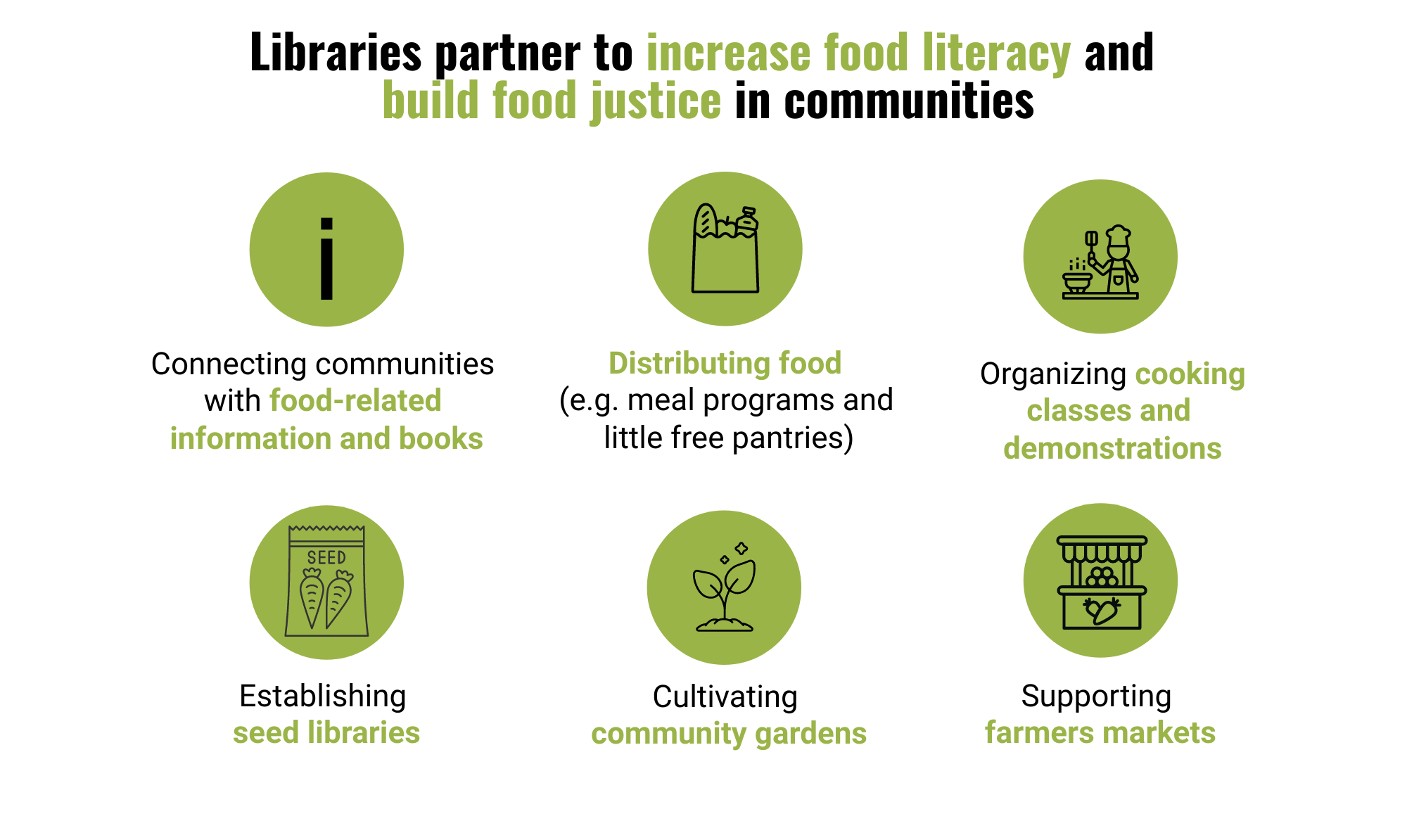
Use collections and displays to deepen understanding. Build reading lists that cover homelessness, housing policy, food insecurity, and local history; include lived-experience memoirs, reporting, policy briefs, and children’s books about empathy and poverty. Offer book club kits, a film series followed by moderated discussions, or a “story swap” where community members safely share experiences of food insecurity. Recent library-practice writing also emphasizes framing food insecurity as a matter of food justice and connecting programs to broader civic action. [5]
Staff preparation is critical. Provide frontline staff with brief training on trauma-informed approaches, de-escalation, and local referral protocols so patrons who come to the desk in crisis receive respectful, practical help. ALA and other practitioner resources include suggested scripts and referral lists; inviting a local outreach worker to lead a short staff session during HHAW both builds staff confidence and strengthens partnerships. [4]
Finally, tie HHAW activities to advocacy and measurement. Encourage visitors to contact elected officials about affordable housing and food-security policies, host a postcard-writing station, or publicize local advocacy days. Track participation (program attendance, donations collected, referrals made) and compile a brief “impact note” to share with funders and the community — this helps sustain momentum beyond the Week and shows how libraries translate awareness into assistance.

Hunger & Homelessness Awareness Week gives libraries a ready-made moment to blend education, direct service, partnerships, and policy engagement. By using available toolkits, centering local referral information, training staff, and creating meaningful programs, libraries become not just places of information but active helpers in community safety nets. [1]
Source list
- Hunger & Homelessness Awareness Week — official site (dates, resources, downloadable graphics). https://hhweek.org/ Hunger & Homelessness Awareness Week
- HHAW Resources (social media assets, sample event ideas). https://hhweek.org/resources/ Hunger & Homelessness Awareness Week
- Hunger and Homelessness Awareness Week Toolkit (PDF — event templates, sample schedules). https://hhweek.org/wp-content/uploads/2023/10/Hunger-and-Homelessness-Awareness-Week-2023-Toolkit-1.pdf Hunger & Homelessness Awareness Week
- American Library Association — Resources for Public Libraries Serving Persons Experiencing Homelessness. https://www.ala.org/pla/resources/tools/homelessness American Library Association
- “Public Librarianship and Food Justice” — Creative Library Practice (on framing food insecurity and library responses). https://creativelibrarypractice.org/2025/04/14/public-librarianship-and-food-justice/ creativelibrarypractice.org