
Strategic Hiring Tools for Building Tomorrow’s Library Workforce
Library directors face distinctive challenges in building high-performing teams capable of serving increasingly diverse communities while navigating rapid technological change. As libraries evolve into dynamic community hubs offering digital literacy training, maker spaces, and social services, the need for strategic workforce planning has never been more critical. Modern HR tools, such as Kolbe RightFit™, offer data-driven solutions for identifying candidates who will thrive in these multifaceted environments. Meanwhile, budget-conscious alternatives provide similar capabilities for libraries with limited resources.
The Evolution of Library Workforce Needs
Today’s library environment demands staff members who possess not only traditional library science skills but also technological proficiency, cultural competency, and adaptive problem-solving abilities. Library directors must identify candidates who can navigate complex patron interactions, collaborate effectively with diverse teams, and remain resilient in the face of constant change. The American Library Association has recognized this shift, developing comprehensive HR toolkits specifically designed for public library  managers (2).
The traditional approach to library hiring—relying primarily on education credentials and reference checks—often fails to predict how candidates will perform in real-world library settings. This disconnect between hiring practices and job performance has contributed to turnover issues and suboptimal team dynamics that many library systems continue to face.
Understanding Kolbe RightFit: A Scientific Approach to Hiring
Kolbe RightFit™ represents a paradigm shift in recruitment methodology, moving beyond personality tests and skills assessments to focus on conative strengths—the instinctive ways people take action and solve problems (6). This statistically proven hiring system screens applicants based on their natural problem-solving approaches, providing library directors with objective data about how candidates will perform in specific roles (5).
The RightFit™ process begins by identifying the actions and behaviors most critical for success in a particular library position, creating a measurable profile that serves as a benchmark for evaluation (6). Candidates complete the Kolbe A Index, which reveals their instinctive methods of operation across four key dimensions: Fact Finder (how they gather and share information), Follow Thru (how they organize and systematize), Quick Start (how they innovate and adapt), and Implementor (how they handle space and tangibles) (7).
For library directors, this approach offers several advantages (4). When hiring reference librarians, RightFit™ can identify candidates who naturally excel at gathering comprehensive information (high Fact Finder) while remaining flexible enough to adapt their approach for different patron needs (appropriate Quick Start). The Kolbe assessment system provides detailed insights into these natural problem-solving approaches (8). For youth services positions, the system might highlight candidates who demonstrate strong organizational skills (Follow Thru) combined with creative problem-solving abilities (Quick Start) essential for engaging diverse age groups.
Practical Applications in Library Settings
Consider an extensive urban library system seeking to hire a branch manager for a location serving a predominantly immigrant community. Traditional hiring may focus on language skills and cultural background. Still, a RightFit™ analysis could reveal more profound insights into candidates’ instinctive approaches to building relationships, managing complex community partnerships, and adapting programs to meet evolving needs.
The system’s ability to identify “Range of Success” profiles proves particularly valuable for libraries seeking to build cohesive teams (9). Rather than hiring multiple staff members with identical strengths, directors can use RightFit™ data to ensure complementary skill sets within departments. A cataloging team might benefit from combining high Fact Finder individuals who excel at detailed research with Follow Thru strengths who maintain systematic workflows.
Research from organizations demonstrates RightFit’s effectiveness in reducing turnover rates by identifying candidates whose natural working styles align with role requirements. For libraries struggling with retention issues—prevalent in high-stress positions like circulation desk management—this predictive capability represents significant cost savings and improved service continuity.
Cost-Effective Alternatives for Budget-Conscious Libraries
While Kolbe RightFit™ offers comprehensive capabilities, many library systems operate under tight budget constraints that make premium assessment tools challenging to justify. Fortunately, several alternatives provide similar benefits at significantly lower costs.
Testlify emerges as a leading alternative, offering comprehensive talent assessment capabilities with flexible pricing structures that accommodate smaller organizations (10). The platform combines behavioral assessments with job-specific skill testing, allowing library directors to evaluate both cultural fit and technical competencies through a single system. Unlike Kolbe’s focus on conative abilities, Testlify incorporates cognitive and personality dimensions, providing a more holistic picture of the candidate.
Free and low-cost options include structured behavioral interview protocols that library directors can implement without the need for external tools. The STAR method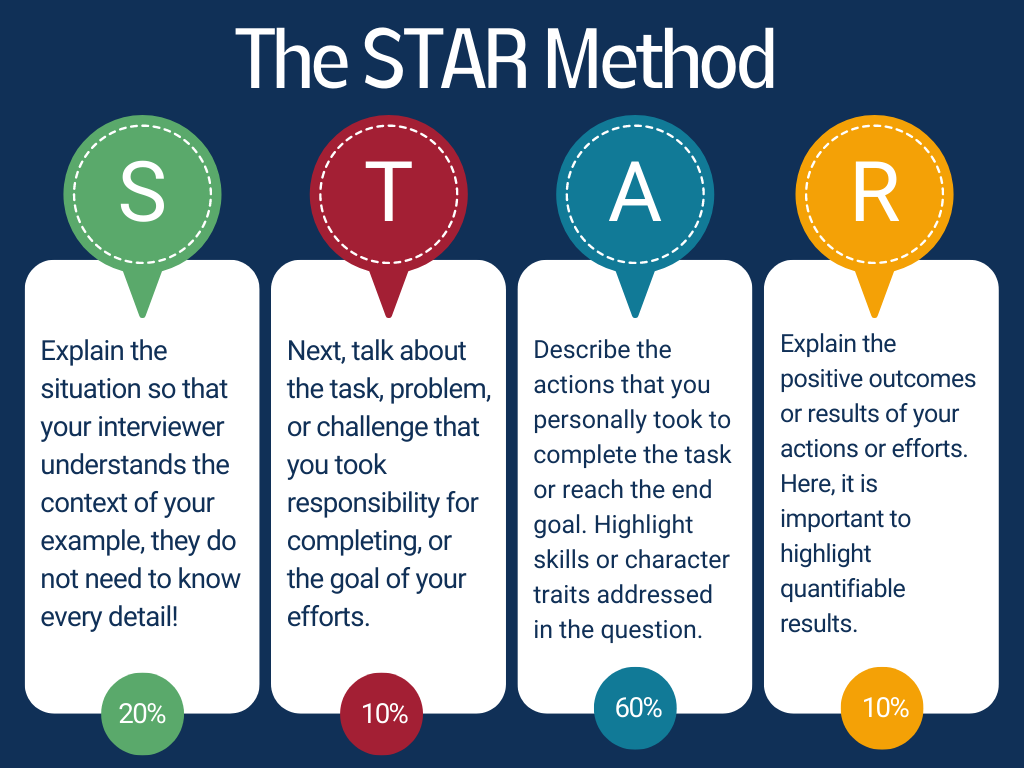 (Situation, Task, Action, Result) enables the systematic evaluation of candidates’ past performance in situations analogous to those encountered in library challenges. By developing role-specific scenarios—such as handling difficult patrons, implementing new technology, or leading community outreach initiatives—directors can gather valuable insights about candidates’ natural problem-solving approaches.
Google Workspace and Microsoft 365, already utilized by many libraries, include survey and form-building tools that can be used to create custom assessment questionnaires. While these lack the statistical validation of professional assessment tools, they enable systematic candidate evaluation and comparison when designed thoughtfully.
The Association of Research Libraries’ recruitment resources provide frameworks for developing internal assessment strategies (1, 3). These guidelines help library directors establish structured evaluation processes that enhance hiring consistency without requiring a significant financial investment.
Implementation Strategies for Different Library Types
Academic libraries face unique challenges when implementing new HR tools, often requiring approval from university human resources departments and compliance with institutional hiring policies. Directors in these environments should focus on demonstrating how assessment tools align with broader institutional goals related to diversity, equity, and inclusion, while also improving hiring outcomes.
Public library systems benefit from RightFit’s ability to identify candidates who thrive in high-volume, diverse patron interactions. The tool’s emphasis on natural problem-solving styles proves particularly valuable for positions that require constant adaptation, such as children’s librarians managing energetic programming and adult services staff assisting patrons with complex research needs.
Smaller libraries and library consortia can maximize the value of assessment tools through collaborative purchasing agreements. By sharing costs across multiple systems, individual libraries gain access to premium tools while maintaining budget control. This approach also enables knowledge sharing about effective implementation strategies and candidate evaluation criteria.
Measuring Success and Continuous Improvement
Implementing any new HR tool requires establishing clear metrics for success evaluation. Library directors should track key performance indicators, including time-to-hire, candidate quality scores, employee retention rates, and supervisor satisfaction with new hires. These metrics provide objective evidence of the effectiveness of the assessment tool and guide the refinement of hiring processes.
Regular analysis of hiring outcomes helps identify patterns in successful placements. If RightFit™ consistently identifies high-performing reference staff with specific conative profiles, directors can refine job requirements and marketing strategies to attract more candidates with those characteristics. This data-driven approach transforms hiring from an intuitive decision-making process to a strategic workforce development approach.
Conclusion
The library profession stands at a crossroads where traditional services intersect with emerging community needs, requiring staff members capable of navigating complex and evolving responsibilities. Smart HR tools, such as Kolbe RightFit™, offer library directors scientific approaches to identifying candidates who will thrive in these dynamic environments, moving beyond credentials and interviews to evaluate natural problem-solving abilities and working styles.
For libraries with substantial budgets, RightFit™ offers comprehensive assessment capabilities, backed by statistical validation and proven effectiveness in reducing turnover while enhancing team performance. Budget-conscious systems can achieve similar benefits through alternatives, such as Testlify or internal assessment protocols that emphasize structured evaluation and behavioral prediction.
Success with any assessment tool requires commitment to data-driven decision-making and continuous refinement of hiring processes. Library directors who embrace these approaches will build stronger, more adaptable teams capable of serving their communities effectively in an era of unprecedented change. The investment in strategic workforce planning—whether through premium tools or thoughtfully designed alternatives—represents one of the most impactful decisions directors can make for their organizations’ long-term success.
Sources
- Association of Research Libraries. (2025). Job, Residency & Internship Listings. Retrieved from https://www.arl.org/jobs/job-listings/
- American Library Association. (2022). A comprehensive HR toolkit for public library managers. Retrieved from https://www.ala.org/news/member-news/2022/06/comprehensive-hr-toolkit-public-library-managers
- American Library Association. (2024). Recruitment Resources. Retrieved from https://www.ala.org/educationcareers/recruiting
- Humanworks. (2023). Humanworks & Kolbe Wisdom. Retrieved from https://humanworks8.com/services/talent-optimization/
- IntelliTalent. (2024). The Kolbe RightFit Process for Hiring the Perfect Team. Retrieved from https://intellitalent.com/understanding-the-kolbe-rightfit-process-for-hiring-the-perfect-team/
- Kolbe Corp. (2024). Hire the right candidate for the right job, right away. Retrieved from https://www.kolbe.com/for-business/hiring/
- Kolbe Corp. (2024). Home of the Kolbe A™ Index. Retrieved from https://www.kolbe.com/
- Kolbe Corp. (2024). Here’s why you should learn about the Kolbe C™ Index. Retrieved from https://www.kolbe.com/kolbe-c-index/
- Kolbe Coach. (2024). Kolbe Right Fit. Retrieved from https://www.kolbe.com/for-business/hiring/
- Testlify. (2024). Best Kolbe alternative. Retrieved from https://testlify.com/kolbe-alternatives/