
Safety First! Top 10 Safety Considerations for Libraries
Modern libraries face an increasingly complex landscape of safety challenges that necessitate proactive planning and ongoing vigilance. With recent months seeing threats directed to public and school libraries, including the forced temporary closure of five public library systems due to bomb and shooting threats, the need for comprehensive safety protocols has never been more critical (1). Library staff must balance maintaining open, welcoming environments with ensuring the security of patrons, employees, and collections. Here are the ten most essential safety considerations every library should prioritize.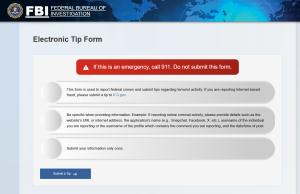
- Threat Assessment and Emergency Response Protocols
Libraries must establish clear protocols for handling various types of threats, particularly in light of the recent escalation in targeted violence. During the Summer and Fall of 2022, threats directed at public and school libraries and library workers escalated, including the forced temporary closure of five public library systems due to bomb and shooting threats (2). Staff need training on recognizing potential threats, proper escalation procedures, and immediate response actions. This includes establishing communication chains, evacuation procedures, and coordination protocols with local law enforcement.
- Physical Security Infrastructure
Adequate physical security begins with strategic design and infrastructure decisions. Libraries should implement access control systems, security cameras in key areas, and panic alarm systems for staff. Recent discussions have highlighted the importance of panic alarms, which allow staff to summon emergency help at the press of a button during critical situations (3). The strategic placement of service desks, optimized sightlines, controlled access points, and secure storage for valuable materials are fundamental components of physical security planning.
- Staff Training and Preparedness
Comprehensive training programs must cover de-escalation techniques, emergency procedures, and situational awareness. Changes are needed within library leadership to create a more supportive environment for staff safety and preparedness (4). Library safety training programs for staff and leaders should cover service, security, safety, supervision, and stress management to help ensure the physical and psychological safety of all library employees (6). Regular training updates, scenario-based drills, and mental health support resources help ensure staff feel prepared and supported when facing challenging situations.
- Behavioral Incident Management
Libraries must develop clear policies for addressing disruptive behavior, from minor disturbances to serious safety concerns. This includes establishing behavioral standards, progressive response protocols, and documentation procedures. Staff need guidelines for when to engage directly with problematic patrons versus when to involve security or law enforcement immediately. Creating incident reporting systems helps identify patterns and improve response strategies.
- Technology and Cybersecurity Protection
Modern library safety extends beyond physical threats to include cybersecurity considerations. Libraries must proactively address the myriad threats and vulnerabilities that could compromise the security of patron data through robust cybersecurity measures and clear data protection policies (7). This includes implementing robust firewall protection, regularly updating software, establishing data backup procedures, and providing staff training on recognizing phishing attempts and other cyber threats. The FCC’s  Schools and Libraries Cybersecurity Pilot Program recognizes the growing importance of protecting these institutions against digital threats (8).
- Health and Safety Compliance
Traditional workplace safety remains crucial, encompassing everything from ergonomic workstation setup to handling hazardous materials, such as cleaning supplies or damaged books. Libraries must maintain compliance with OSHA regulations, ensure proper ventilation systems are in place, provide appropriate personal protective equipment when needed, and establish protocols for handling medical emergencies among staff and patrons.
- Crisis Communication Systems
Effective communication during emergencies can save lives and minimize confusion. Libraries need multiple communication channels, including internal staff communication systems, public address capabilities, and external notification methods for patrons and families. Social media protocols, website emergency notifications, and coordination with local media outlets ensure accurate information reaches the community during crises.
- Patron and Community Engagement
Building positive relationships with regular patrons and community members creates natural safety networks. A productive and effective library is one in which its staff and patrons feel secure (5). Creating safe environments requires strong community relationships, inclusive policies, and empowered staff working together in a holistic approach (9). Engaging with local law enforcement through regular visits, community partnerships, and educational programs helps establish support systems. Encouraging patrons to report suspicious activity and maintaining open communication channels with community members strengthens overall safety.
- Vulnerable Population Considerations
Libraries often serve vulnerable populations, including children, elderly patrons, and individuals experiencing homelessness or mental health crises. Staff must be trained to

Library Safety and Security: A Holistic Approach
recognize signs of abuse, understand mandatory reporting requirements, and know how to connect individuals with appropriate social services. Special considerations include child protection protocols, elder abuse recognition, and mental health crisis intervention techniques.
- Regular Safety Assessments and Updates
Safety planning is an ongoing process requiring regular evaluation and updates. Libraries should conduct periodic safety audits, review incident reports to identify trends, and update policies based on emerging threats or lessons learned. This includes testing emergency equipment, reviewing evacuation procedures, updating staff training materials, and staying informed about new safety technologies and best practices.
Library safety requires a comprehensive, multi-layered approach that addresses both traditional security concerns and emerging threats. The recent escalation in threats against libraries underscores the urgent need for robust safety protocols and supportive leadership structures. By implementing these ten key considerations, library staff can create environments that remain welcoming and accessible while prioritizing the safety and security of everyone who enters their doors.
Success in library safety stems from the consistent implementation of policies, regular training, and a culture that prioritizes both openness and security. As the library profession continues to evolve, so too must our approaches to maintaining safe spaces for learning, discovery, and community engagement.
Sources
- American Library Association. “Resource Guide for Library Safety and Preparedness.” ALA Advocacy, https://www.ala.org/advocacy/resource-guide-library-safety-and-preparedness
- American Library Association. “Letter of Concern to FBI Regarding Threats of Violence in Libraries.” ALA Advocacy, https://www.ala.org/advocacy/letter-concern-fbi-regarding-threats-violence-libraries
- Albrecht, Steve. “Approaches to Library Panic Alarms.” The Safe Library – Library 2.0, https://www.library20.com/safety-and-security-with-dr-steve-albrecht
- “Protecting Library Workers: The Ongoing Battle for the Health and Safety of Library Staff.” Public Libraries Online, February 8, 2024, https://publiclibrariesonline.org/2024/02/protecting-library-workers-the-ongoing-battle-for-the-health-and-safety-of-library-staff/
- American Library Association. “Safety and Security in Libraries.” LibGuides, https://libguides.ala.org/safety-security
- Albrecht, Steve. “Training Library Staff in Service, Safety, and Security.” The Safe Library – Library 2.0, https://www.library20.com/training-library-staff
- “Safeguarding Patron Privacy: Libraries’ Approach to Data Security.” Library & Information Science Education Network, December 17, 2023, https://www.lisedunetwork.com/safeguarding-patron-privacy-libraries-approach-to-data-security/
- Federal Communications Commission. “Schools and Libraries Cybersecurity Pilot Program.” https://www.fcc.gov/cybersecurity-pilot-program
- “Library Safety and Security: A Holistic Approach.” WebJunction, https://www.webjunction.org/events/webjunction/library-safety-and-security.html
- “Safety and De-Escalation Foundations for Frontline Staff.” Library Journal 2024, https://www.libraryjournal.com/event/creating-safer-libraries-foundations-for-frontline-staff-oct-2024