Book Banning Banned: States Taking a Stand

The Paradox of Book Banning: How It Only Serves to Sell More Banned Books
As book banning efforts reach remarkable levels across the United States, with more than 10,000 book bans affecting over 4,000 unique titles during the 2023-2024 school year alone (1), several states have taken a decidedly different approach. Rather than restricting access to books, these progressive states have enacted legislation specifically designed to protect intellectual freedom and ensure diverse library collections remain accessible to their communities.
The Current Book Banning Crisis
The scope of book censorship in the United States has reached unsettling proportions. According to PEN America’s latest data, book bans nearly tripled between the 2022-2023 and 2023-2024 school years (2). Florida led the nation with 4,561 book bans, followed by Iowa with 3,671 bans during the 2023-2024 academic year (3). This surge in censorship has been driven mainly by newly enacted restrictive legislation,  coupled with organized pressure campaigns targeting local school districts.
The American Library Association documented 1,269 demands to censor library books and resources in 2022, representing the highest number of attempted book bans since the organization began tracking such data over two decades ago (4). This represents nearly double the 729 challenges reported in 2021, indicating a rapidly escalating crisis of censorship.
States Leading the Fight for Intellectual Freedom
California
California has emerged as a national leader in protecting books from censorship. In September 2023, Governor Gavin Newsom signed Assembly Bill 1078, which bans book bans and textbook censorship in schools (5). This groundbreaking legislation sends a clear message that California values intellectual diversity and educational freedom.
Building on this foundation, California passed additional legislation in 2024 specifically targeting public library book bans. Assembly Member Al Muratsuchi championed this effort, stating that “our freedom to read is a cornerstone of our democracy” and emphasizing the importance of ensuring Californians have access to books offering diverse perspectives, including voices from LGBTQ and communities of color (6).
Maryland
Maryland made significant strides in protecting intellectual freedom when Governor Wes Moore signed the state’s Freedom to Read Act into law in April 2024, with the legislation taking effect on July 1, 2024 (7). Sponsored by State Delegate Dana Jones, this comprehensive law explicitly prohibits the exclusion of library materials based on “partisan, ideological, or religious disapproval” (8).
The Maryland legislation is particularly notable for granting the state library board “general direction and control” of policy, providing a centralized approach to protecting intellectual freedom across the state’s library systems. This law represents a direct response to efforts to ban books in schools and libraries throughout the state of Maryland.
Illinois
Illinois has taken a multifaceted approach to protecting books and intellectual freedom. The state has been instrumental in the development of book sanctuary networks, with Illinois library systems joining thousands of book sanctuaries now operating in all 50 states (9). These sanctuaries serve as safe havens for books that have been challenged or 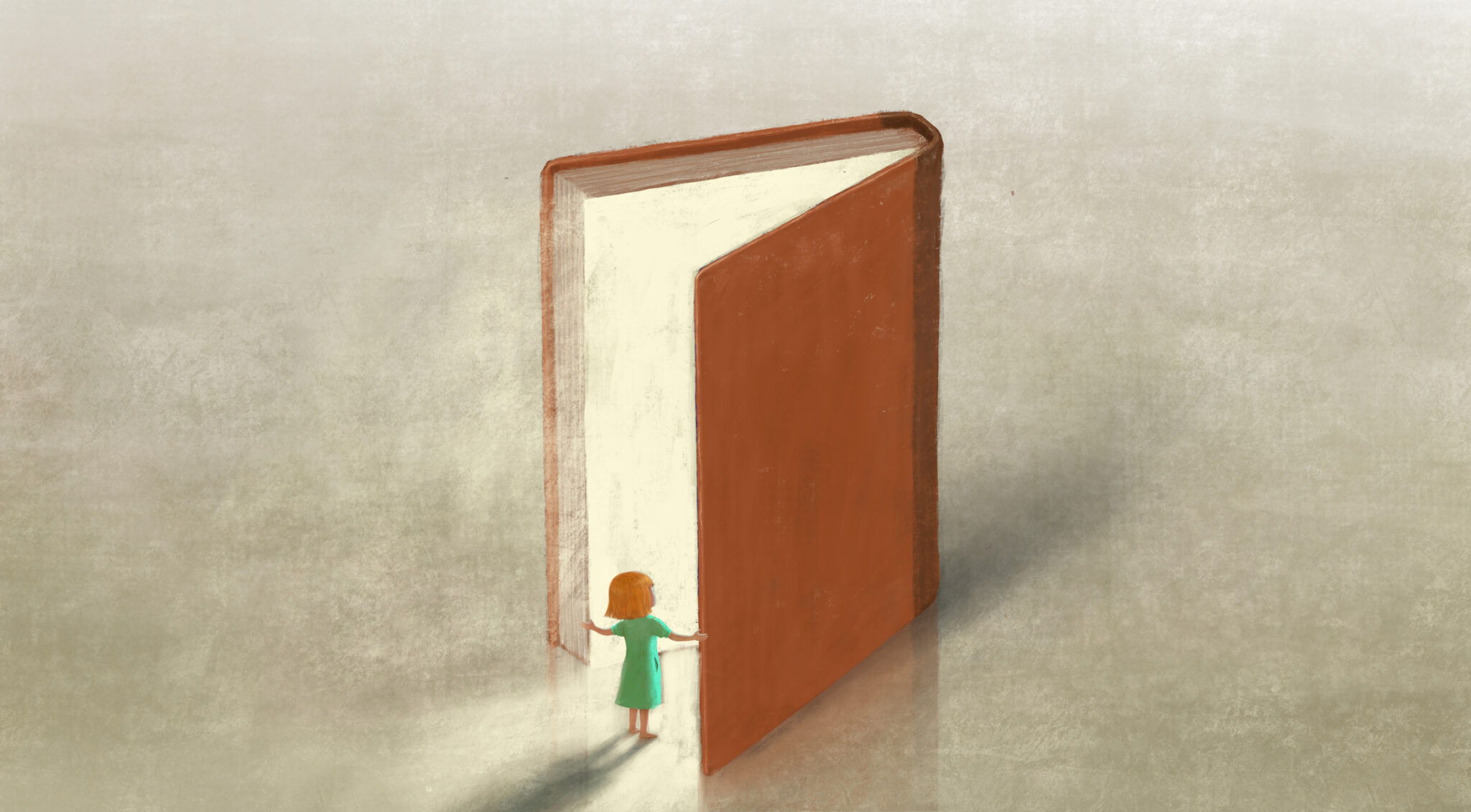 banned elsewhere, ensuring continued access to diverse literary voices.
Illinois passed legislation similar to California and Maryland in 2024, further strengthening protections for library collections and reinforcing the state’s commitment to intellectual freedom. The state’s approach demonstrates how multiple strategies can work in concert to protect reading rights.
Other States Joining the Movement
Connecticut has also emerged as a state actively protecting library collections, with Connecticut library systems participating in the growing book sanctuary movement (10). While specific legislation details vary, Connecticut’s approach focuses on maintaining diverse collections and resisting external pressure to remove books based on ideological objections.
New Jersey is currently considering its own “Freedom to Read Act,” which would direct local boards of education to adopt comprehensive policies for curating school library collections and develop clear, fair criteria for removing library materials should such action become necessary (11). This proposed legislation represents the growing momentum behind protective measures for intellectual freedom.
The Philosophy
States that have banned book banning operate from a fundamentally different philosophical foundation than those implementing restrictive measures. As defined by the American Library Association, “Intellectual freedom is the right of every individual to both seek and receive information from all points of view without restriction” (12). This principle guides legislation in protective states, emphasizing that diverse collections serve democracy by allowing individuals to explore multiple perspectives on complex issues.
These states recognize that a book ban occurs “when it is entirely removed from a collection in response to a formal or informal challenge,” and that “any reduction in access to library materials based on an individual or group’s belief that they are harmful or offensive is an act of censorship” (13). By explicitly prohibiting such removals based on ideological grounds, protective legislation ensures that personal beliefs cannot dictate what materials remain available to entire communities.
Supporting Infrastructure and Resources
States protecting books have developed robust support systems for libraries and educators. The American Library Association launched its state Intellectual Freedom Helpline program in April 2024, with ten pilot program sites operating confidential reporting systems to connect those experiencing censorship attempts with professional support and in-state peers (14). This initiative helps build resilience within library systems facing pressure to remove books.
Additionally, organizations like Unite Against Book Bans have created practical resources, including a free collection of book résumés launched in February 2024 to support librarians, educators, parents, and community advocates in their efforts to keep frequently challenged books available. Since its launch, this resource has been viewed more than 200,000 times, demonstrating significant community interest in protecting intellectual freedom (15).
The Contrast with Restrictive States
The difference in approach between protective and restrictive states is stark. While states like Florida and Texas have enacted legislation that removes longstanding legal protections for libraries and threatens library workers with criminal prosecution for providing access to certain materials (16), protective states have moved in the opposite direction by strengthening these safeguards.
 Restrictive legislation often broadens definitions of materials deemed “obscene” or “harmful to minors,” creating vague standards that can be applied arbitrarily. For example, Idaho’s HB710, signed into law in April 2024, allows community members who object to a book to sue for $250 in damages (17). Such measures create a chilling effect that can lead to self-censorship among librarians and educators, who fear legal consequences.
Looking Forward: The Future of Intellectual Freedom
As book banning efforts continue to intensify nationally, states that have chosen to protect intellectual freedom serve as crucial counterbalances to the growing trend of censorship. Their legislation demonstrates that alternative approaches exist—approaches that prioritize educational diversity, democratic values, and the fundamental right to access information and knowledge.
The success of protective legislation in states like California, Maryland, and Illinois may inspire similar measures in other states currently considering how to respond to the national book banning crisis. With thousands of book sanctuaries now operating nationwide and growing public awareness of censorship issues, the momentum for protecting intellectual freedom continues to build.
These states recognize that diverse library collections serve not just individual readers but entire democratic societies. By ensuring that books representing multiple perspectives, experiences, and voices remain accessible, they uphold the principle that education flourishes best in environments where ideas can be freely explored and discussed.
The legislative efforts in these protective states represent more than just opposition to book banning—they constitute a positive vision for intellectual freedom that values curiosity, critical thinking, and the fundamental human right to access information. As the national debate over books and education continues, these states provide essential models for how communities can choose inclusion over exclusion, dialogue over censorship, and freedom over fear.
Sources
- PEN America. “Banned Books List 2025.” February 28, 2025. https://pen.org/banned-books-list-2025/
- Raskin, Jamie. “As Nationwide Book Bans Top 10,000, Raskin, Schatz Introduce Bicameral Resolution Condemning Book Bans.” September 25, 2024. https://raskin.house.gov/2024/9/as-nationwide-book-bans-top-10-000-raskin-schatz-introduce-bicameral-resolution-condemning-book-bans
- PEN America. “Banned in the USA: Beyond the Shelves.” November 1, 2024. https://pen.org/report/beyond-the-shelves/
- American Library Association. “American Library Association reports record number of demands to censor library books and materials in 2022.” https://www.ala.org/news/press-releases/2023/03/record-book-bans-2022
- California Governor’s Office. “California Bans Book Bans and Textbook Censorship in Schools.” April 3, 2025. https://www.gov.ca.gov/2023/09/25/california-bans-book-bans-and-textbook-censorship-in-schools/
- EdSource. “California makes it harder to ban books in public libraries.” October 1, 2024. https://edsource.org/updates/california-makes-it-harder-to-ban-books-in-public-libraries
- Public Libraries Online. “Building Resilient Libraries: Protecting Against Book Bans.” July 24, 2024. https://publiclibrariesonline.org/2024/07/building-resilient-libraries-protecting-against-book-bans/
- Library Journal. “On the Books: Library Legislation 2024.” June 3, 2024. https://www.libraryjournal.com/story/on-the-books-library-legislation-2024-censorship
- Public Libraries Online. “Building Resilient Libraries: Protecting Against Book Bans.” July 24, 2024. https://publiclibrariesonline.org/2024/07/building-resilient-libraries-protecting-against-book-bans/
- Public Libraries Online. “Building Resilient Libraries: Protecting Against Book Bans.” July 24, 2024. https://publiclibrariesonline.org/2024/07/building-resilient-libraries-protecting-against-book-bans/
- School Library Journal. “California’s New Law Protects Against Public Library Book Bans.” October 2, 2024. https://www.slj.com/story/Californias-New-Law-Protects-Against-Public-Library-Book-Bans-Censorship-News
- American Library Association. “Intellectual Freedom and Censorship Q & A.” https://www.ala.org/advocacy/intfreedom/censorship/faq
- American Library Association. “Book Ban Data.” https://www.ala.org/bbooks/book-ban-data
- American Library Association. “ALA announces state Intellectual Freedom Helpline program grants to support libraries addressing censorship attempts.” April 22, 2024. https://www.ala.org/news/2024/04/ala-announces-state-intellectual-freedom-helpline-program-grants-support-libraries
- American Library Association. “American Library Association reveals preliminary data on 2024 book challenges.” https://www.ala.org/news/2024/09/american-library-association-reveals-preliminary-data-2024-book-challenges
- American Library Association. “Adverse Legislation In the States.” https://www.ala.org/advocacy/adverse-legislation-states
- Wikipedia. “Book banning in the United States (2021–present).” https://en.wikipedia.org/wiki/Book_banning_in_the_United_States_(2021%E2%80%93present)