
Libraries Celebrate Disability Pride Month

As July arrives each year, libraries across the nation transform into vibrant centers of celebration, education, and advocacy during Disability Pride Month. Observed in July to commemorate the anniversary of the Americans with Disabilities Act (ADA), signed into law on July 26, 1990, this month-long observance offers libraries meaningful opportunities to honor the disability community while advancing accessibility and inclusion in their programming and services.
The Significance of Disability Pride Month
Disability Pride Month, celebrated every July, is a time to recognize the history, achievements, experiences, and struggles of people with disabilities, affirming that disability is a natural and valuable part of human diversity (3). People with disabilities make up 15% of the world’s population, representing all ages, races, ethnicities, genders, sexual orientations, religions, and socio-economic backgrounds. This diversity makes the role of libraries in serving this community especially crucial (4).
The celebration began as a single day in 1990, the year the ADA was enacted, with Boston, Massachusetts, hosting the inaugural Disability Pride Day (3). The first official Disability Pride Month took place in July 2015, coinciding with the 25th anniversary of the ADA (9). This evolution from a single day to a month-long celebration reflects the growing recognition of disability culture and the ongoing fight for equality and inclusion.
Innovative Programming and Events
Libraries nationwide demonstrate remarkable creativity in their Disability Pride Month programming. The District of Columbia Public Library exemplifies comprehensive celebration through diverse offerings. Their 2024 programming included a Smart Home Exhibit at the Martin Luther King Jr. Memorial Library, showcasing the latest smart  technology designed for accessibility in partnership with the DC Assistive Technology Program (1). Additional programming featured musical celebrations highlighting musicians with disabilities, encouraging children and caregivers to dance and play instruments together.
The New York Public Library celebrates Disability Pride Month throughout July with accessible resources, including book recommendations, accessible technology training, braille study groups, and free events for all ages (10). This comprehensive approach demonstrates how libraries can integrate disability awareness into multiple service areas simultaneously.
Academic libraries also play vital roles in disability pride celebrations. Montclair State University Libraries actively promote awareness and education during July, connecting their educational mission with community advocacy (5). These institutions often leverage their research capabilities to provide evidence-based programming and resources that advance understanding of disability issues.
Technology and Accessibility Focus
Many libraries use Disability Pride Month to spotlight assistive technology and accessibility innovations. Smart home exhibits, such as those featured by the DC Public Library, enable community members to explore how technology can enhance independence and quality of life for individuals with disabilities. These hands-on demonstrations break down barriers by making the assistive technology approachable and understandable for all visitors.
Accessible technology training sessions held in July help library staff and patrons alike develop digital literacy skills specifically tailored to meet the needs of individuals with disabilities. These programs often cover screen readers, voice recognition software, and adaptive hardware, ensuring that libraries remain relevant and valuable for patrons with diverse accessibility requirements.
Cultural Celebration and Community Building
Disability pride is about “accepting and honoring each person’s uniqueness and seeing it as a natural and beautiful part of human diversity” (4). Libraries embody this philosophy through programming that celebrates disability culture rather than viewing disability through a deficit lens. Musical events featuring artists with disabilities, storytimes incorporating disability themes, and art exhibitions showcasing creators with disabilities all contribute to positive representation and community building.
These cultural celebrations serve multiple purposes: they provide positive visibility for members of the disabled community, educate the broader public about disability culture, and create welcoming spaces where people with disabilities can see themselves represented and celebrated.
Educational Initiatives and Awareness
Beyond celebration, libraries use July to advance disability awareness through educational programming. Book discussions featuring authors with disabilities, film screenings of disability-focused documentaries, and speaker series with disability advocates help broaden the community’s understanding of disability experiences and issues.
Many libraries create specialized reading lists and resource guides during Disability Pride Month, highlighting works by authors with disabilities and books that accurately represent diverse experiences of disability. These curated collections serve as valuable resources long after July ends, supporting ongoing education and representation.
Staff Training and Institutional Growth
Disability Pride Month also offers libraries an opportunity to review and improve their accessibility practices. Many institutions use July to conduct staff training on disability awareness, best practices for accessibility, and inclusive customer service. These professional development initiatives ensure that celebration translates into improved daily service delivery.
Libraries often conduct accessibility audits during this time, reviewing their physical spaces, digital resources, and service policies to identify opportunities for improvement. This self-reflection demonstrates a genuine commitment to the disability community, one that extends beyond mere symbolic gestures.
Challenges and Opportunities
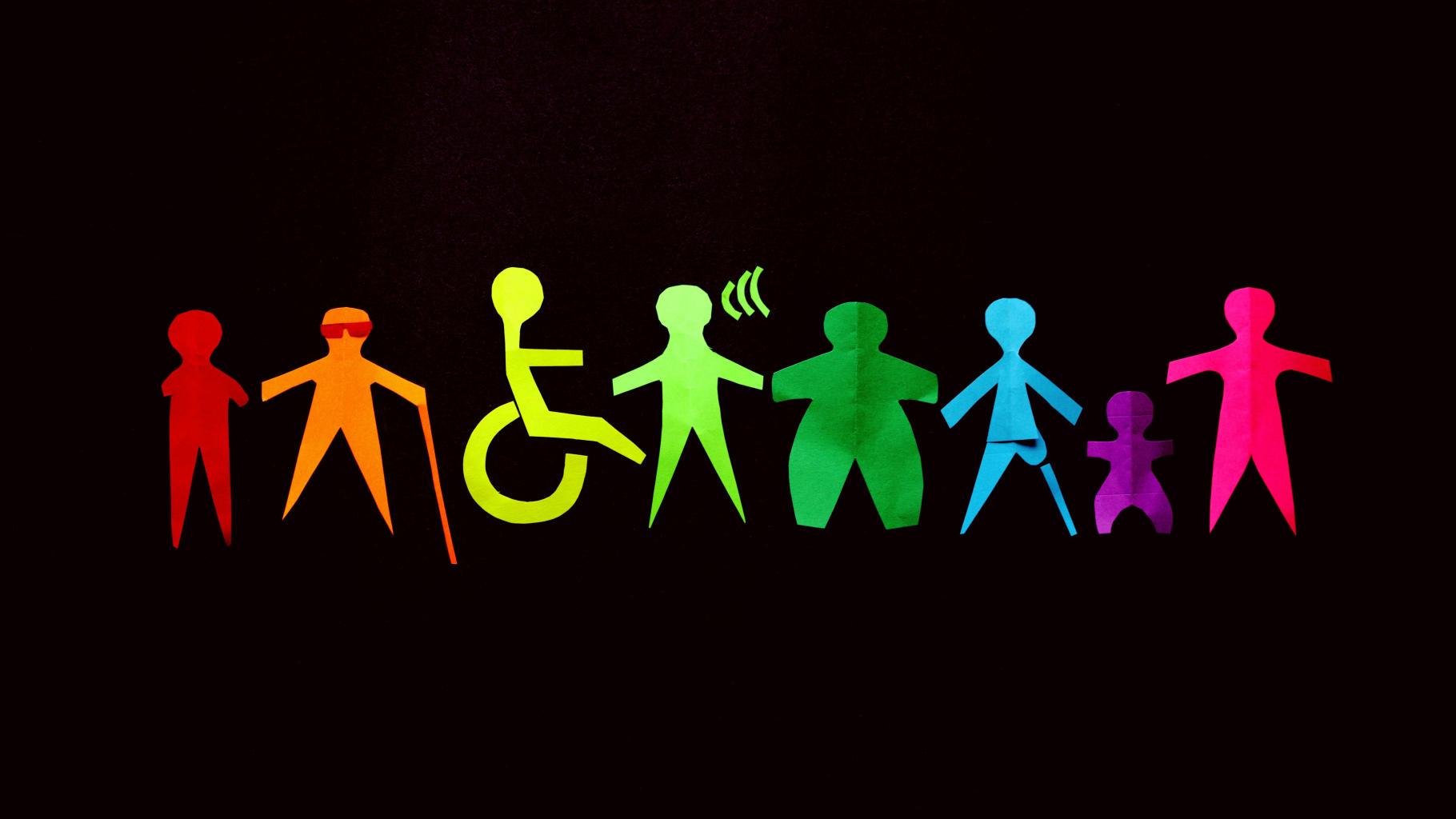 While libraries’ Disability Pride Month celebrations have grown more sophisticated and inclusive, challenges remain. Budget constraints limit some libraries’ ability to offer comprehensive programming, while others struggle with physical accessibility barriers in older buildings (6). However, these challenges also present opportunities for creative problem-solving and the development of community partnerships.
Collaboration with local disability organizations, assistive technology vendors, and disability advocacy groups can help libraries expand their programming impact while building lasting community relationships. These partnerships often continue beyond July, creating year-round benefits for disabled patrons.
Looking Forward
Disability Pride Month celebrates the history, achievements, experiences, and struggles of the disability community, marking the anniversary of the Americans with Disabilities Act of 1990. This landmark legislation broke down barriers to inclusion in society (2, 8). Libraries’ growing commitment to meaningful Disability Pride Month celebrations reflects broader societal progress toward inclusion and accessibility.
As libraries continue evolving their Disability Pride Month programming, the focus increasingly shifts from awareness to authentic celebration and advocacy. This evolution represents significant progress in how society understands and values disability community’s contributions.
Libraries’ Disability Pride Month celebrations demonstrate the profession’s commitment to serving all community members with dignity and respect. Through innovative programming, accessibility improvements, and genuine celebration of disability culture, libraries create more inclusive communities where everyone can thrive. As these celebrations continue growing in scope and sophistication, they contribute to the broader movement toward true equality and inclusion for people with disabilities.
Sources
- District of Columbia Public Library. (2025). Disability Pride Month 2025. https://dclibrary.libnet.info/event/13817478
- Governor of California. (2024, July 11). Governor Newsom proclaims Disability Pride Month 2024. https://www.gov.ca.gov/2024/07/11/governor-newsom-proclaims-disability-pride-month-2024/
- Wikipedia. (2024, June 25). Disability Pride Month. https://en.wikipedia.org/wiki/Disability_Pride_Month
- The Arc. (2025, May 19). Why and How to Celebrate Disability Pride Month. https://thearc.org/blog/why-and-how-to-celebrate-disability-pride-month/
- Montclair State University Libraries. (2024, July 17). July Is Disability Pride Month. https://www.montclair.edu/library/2024/07/17/july-is-disability-pride-month/
- University of Washington. (2024, July 3). Learn and engage this Disability Pride Month. https://hr.uw.edu/cfd/2024/07/01/learn-and-engage-this-disability-pride-month/
- American Association of People with Disabilities. (2024). July EDI Corner – Disability Pride Month! https://www.aaphd.org/july-2024
- American Bar Association. (2024). Disability Pride Month. https://www.americanbar.org/groups/diversity/resources/celebrating-heritage-months/disability-pride-month/
- CBS News. (2024, July 22). July is Disability Pride Month. Here’s what you should know. https://www.cbsnews.com/news/july-disability-pride-month-what-to-know/
- The New York Public Library. (2024). Disability Pride Month at NYPL. https://www.nypl.org/spotlight/disability-pride-month