
Building Foundations for Literacy: School Libraries’ Role
As literacy challenges continue to mount in American schools, with reading scores declining to historic lows, the role of school libraries in supporting elementary and pre-K literacy development has never been more critical. Recent research indicates that school libraries and certified librarians play a crucial role as powerful catalysts for enhancing reading achievement, particularly during the foundational years when children are learning to read.
The Current Literacy Crisis
The need to strengthen literacy support systems has become increasingly apparent. The 2024 National Assessment of Educational Progress (NAEP) reading scores showed concerning declines, with both 4th and 8th graders experiencing a two-point drop from already historically low 2022 scores (9). This persistent decline in reading achievement, which predates COVID-era disruptions, underscores the need for comprehensive approaches to literacy instruction that extend beyond traditional classroom settings.
For young learners, these statistics represent more than numbers—they reflect foundational skills that will impact their entire educational trajectory. Research consistently demonstrates that students who struggle with reading in elementary school face compounding challenges throughout their academic careers, making early intervention through multiple channels, including school libraries, essential for long-term success.
The Power of School Libraries in Literacy Development
School libraries serve as dynamic learning environments that complement classroom instruction while fostering independent reading skills and a love of literature. Unlike traditional classroom settings, libraries provide students with access to diverse collections, individualized support, and opportunities for self-directed exploration of texts across various genres and reading levels.
The impact of well-staffed school libraries on student achievement is supported by decades of research. Studies have consistently shown that schools with certified librarians and well-funded library programs demonstrate higher levels of student reading achievement compared to schools without these resources (1, 6). This relationship holds across different demographic groups and school settings, suggesting that school libraries represent a universally beneficial investment in student learning.
Quantified Impact: The Numbers Behind Library Success
Recent research provides compelling evidence of the measurable impact school libraries have on reading achievement. A significant study found that when schools employed full-time certified librarians, approximately 8% more students achieved advanced reading scores on standardized assessments compared to schools without certified library staff (8). This statistic represents thousands of students who might otherwise struggle with reading comprehension and literacy skills.
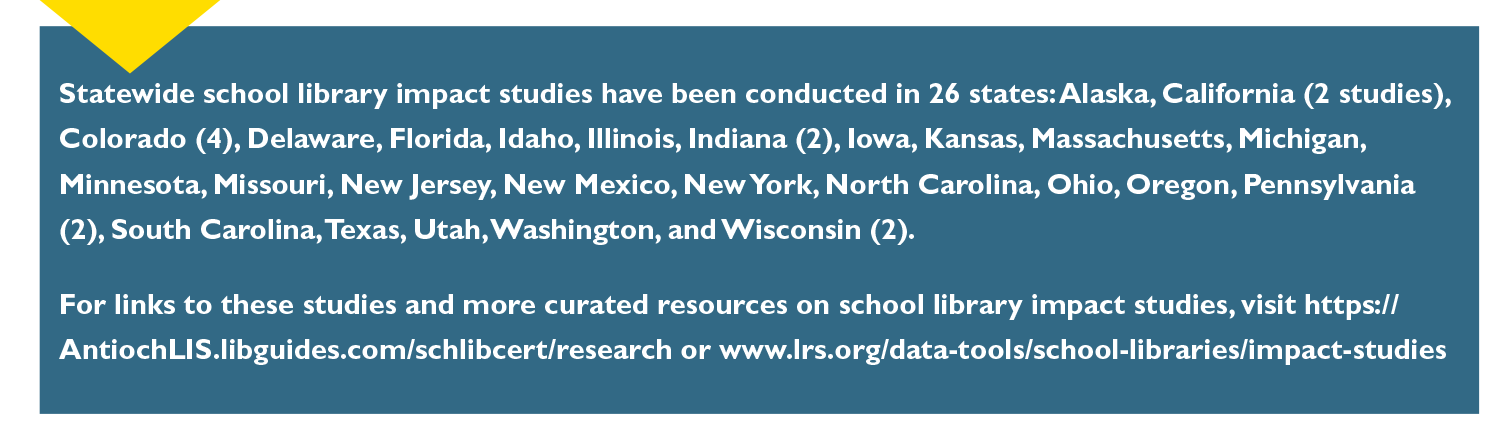 The relationship between library staffing and student achievement extends beyond simple correlation. Research indicates that student achievement in elementary schools is directly related to the number of hours library media specialists work and the budget allocated for school media center funding (7). Both the quantity and quality of library services matter significantly for student outcomes.
The presence of certified school librarians creates a multiplier effect on literacy instruction. These professionals bring specialized training in information literacy, reading motivation, and collection development that enhances the overall educational environment. Their expertise in matching students with suitable texts, teaching research skills, and fostering critical thinking skills contributes to improved reading comprehension and academic performance across various subject areas.
Early Childhood and Pre-K Library Programming
The impact of school libraries on literacy development begins even before formal reading instruction. Pre-K and early elementary library programs play a crucial role in developing pre-literacy skills, which serve as the building blocks for future reading success. Through structured storytimes, interactive reading sessions, and exposure to diverse literature, young children develop phonemic awareness, vocabulary, and comprehension skills that form the foundation for reading proficiency.
Research has consistently highlighted the benefits of reading to young children in supporting vocabulary development and early literacy skills (2, 4). School libraries provide systematic opportunities for these interactions, ensuring that all students, regardless of their home literacy experiences, have access to rich literary experiences during their formative years.
Library programming for pre-K and early elementary students often includes activities specifically designed to support the development of emergent literacy. These may consist of rhyming games, letter recognition activities, and interactive storytelling sessions that make learning both engaging and memorable. Such programs are particularly valuable for students from disadvantaged backgrounds who may have limited access to books and reading experiences at home (3, 5).
Collection Development and Access to Diverse Materials
One of the most significant contributions school libraries make to literacy development is providing access to diverse, high-quality literature that matches students’ interests and reading levels. Unlike classroom libraries, which often have limited space and resources, school libraries can maintain extensive collections that cater to the varied needs of all students in the school.
The importance of collection diversity cannot be overstated. Students are more likely to engage with reading when they can find books that reflect their experiences, interests, and cultural backgrounds. School librarians play a vital role in curating collections that represent diverse voices and perspectives, ensuring that all students can see themselves  reflected in the literature they encounter.
Furthermore, school libraries provide access to materials at various reading levels, enabling students to progress at their own pace while being appropriately challenged. This differentiated approach to selecting reading materials supports both struggling readers and advanced students, creating an inclusive environment where all learners can achieve success.
The Role of Certified School Librarians
The presence of certified school librarians significantly amplifies the impact of library programs on student literacy outcomes. These professionals bring specialized training in information literacy, reading motivation, and instructional design that enhances the educational value of library services. Their expertise extends beyond book selection to include direct instruction in research skills, critical thinking, and digital literacy—all essential components of modern literacy education.
Certified librarians also serve as collaborators with classroom teachers, helping to integrate library resources and instruction into the broader curriculum. This collaborative approach ensures that library skills and resources support and enhance classroom learning rather than existing in isolation. Through team-teaching opportunities and curriculum partnerships, librarians help create cohesive literacy experiences that reinforce learning across multiple contexts.
The instructional role of school librarians has evolved significantly in recent years to include digital literacy instruction, helping students navigate online resources critically and effectively. This expanded role is crucial in elementary settings, where students are developing the foundational skills they will need for research and information evaluation throughout their academic careers.
Addressing Equity Through Library Services
School libraries play a crucial role in addressing educational equity by providing all students with access to high-quality literacy resources and instruction, regardless of their socioeconomic background. For many students, particularly those from low-income families, the school library may be their primary source of access to books, technology, and literacy support.
The impact of school libraries on equity extends beyond simple access to materials. Certified librarians provide individualized support and instruction that can help level the playing field for students who may not have access to literacy support at home. This personalized attention can be particularly beneficial for English language learners, students with learning differences, and those who may be experiencing reading difficulties.
Research suggests that the benefits of school library programs are especially pronounced for students from disadvantaged backgrounds, making library investment a targeted strategy for addressing achievement gaps (10). By providing consistent access to books, technology, and expert instruction, school libraries help ensure that all students have the opportunity to develop strong literacy skills.
Challenges and Future Directions
Despite the clear benefits of school library programs, many schools face significant challenges in maintaining and expanding these services. Budget constraints have led to reductions in library staffing and resources in many districts, with some schools eliminating librarian positions. This trend is particularly concerning given the research evidence supporting the importance of certified librarians for student achievement.
 The future of school library programs depends on continued advocacy for adequate funding and recognition of their essential role in literacy development. As educational leaders grapple with declining reading scores and persistent achievement gaps, investment in school libraries and certified librarians represents a research-backed strategy for improving student outcomes.
Moving forward, school libraries continue to evolve to meet the changing needs of students and educational environments, including expanding digital literacy instruction, incorporating new technologies, and developing innovative programming that engages students in meaningful literacy experiences.
The evidence is clear: school libraries and certified librarians play a crucial role in supporting the literacy development of elementary and pre-K students. From providing access to diverse, high-quality materials to offering expert instruction and individualized support, school libraries create environments that enable all students to develop strong reading skills and cultivate a lifelong love of learning.
As educators and policymakers work to address declining literacy rates and persistent achievement gaps, investment in school library programs represents a proven strategy for improving student outcomes. The research consistently demonstrates that schools with well-staffed libraries and adequate resources experience measurable improvements in student reading achievement, making library programs a vital component of comprehensive literacy education.
The time has come to recognize school libraries not as optional additions to educational programs, but as fundamental infrastructure necessary for student success. By investing in certified librarians, diverse collections, and innovative programming, schools can create the required conditions for all students to achieve literacy success and reach their full potential.
Sources
- American Progress. (2024, July 29). Investing in School Libraries and Librarians To Improve Literacy Outcomes. Center for American Progress. https://www.americanprogress.org/article/investing-in-school-libraries-and-librarians-to-improve-literacy-outcomes/
- Education Week. (2025, February 13). Students Are Struggling With Literacy. The Public Library Can Help. https://www.edweek.org/teaching-learning/opinion-students-are-struggling-with-literacy-the-public-library-can-help/2024/07
- American Library Association. (2022, March). Literacy and well-being at school libraries. https://www.ala.org/news/2022/03/literacy-and-wellbeing-school-libraries
- Frontiers in Education. (2024, May 21). Large-scale implementation of effective early literacy instruction. https://www.frontiersin.org/journals/education/articles/10.3389/feduc.2024.1354182/full
- National Literacy Trust. (2021, November). The Future of Primary School Libraries. ERIC. https://eric.ed.gov/?id=ED617863
- Library Research Service. School Libraries Impact Studies. https://www.lrs.org/data-tools/school-libraries/impact-studies/
- Kappan Online. (2025, January 28). Why school librarians matter: What years of research tell us. https://kappanonline.org/lance-kachel-school-librarians-matter-years-research/
- Wine, L. D. Impact of School Librarians on Elementary Student Achievement. Old Dominion University. https://digitalcommons.odu.edu/teachinglearning_etds/63/
- Education Week. (2025, February 4). Reading Scores Fall to New Low on NAEP, Fueled by Declines for Struggling Students. https://www.edweek.org/leadership/reading-scores-fall-to-new-low-on-naep-fueled-by-declines-for-struggling-students/2025/01
- National Assessment of Educational Progress. (2024). Assessments – Reading. https://nces.ed.gov/nationsreportcard/reading/