
Wheels of Recovery: How Bookmobiles Serve Communities After Disasters
In the wake of devastating natural disasters, communities face physical rebuilding and the restoration of essential services and resources that support mental health, education, and community cohesion. Bookmobiles—mobile libraries that bring books and services directly to communities—have emerged as powerful tools for disaster recovery efforts across the United States and globally. These vehicles serve as information hubs, connectivity centers, and spaces of normalcy when traditional infrastructure fails.
Information Access in Crisis
When disasters strike, access to reliable information becomes both crucial and challenging. Following Hurricane Ian in 2022, which devastated parts of Florida, bookmobiles evolved beyond their traditional roles to become essential information distribution points. The Lee County Library System’s bookmobile provided critical services to communities where physical libraries were damaged or inaccessible. The mobile library offered internet access, charging stations for electronic devices, and assisted residents with filing FEMA claims and insurance paperwork (1).
Similarly, after the devastating December 2021 tornadoes in Kentucky, the Kentucky Department for Libraries and Archives (KDLA) deployed its bookmobile units to affected 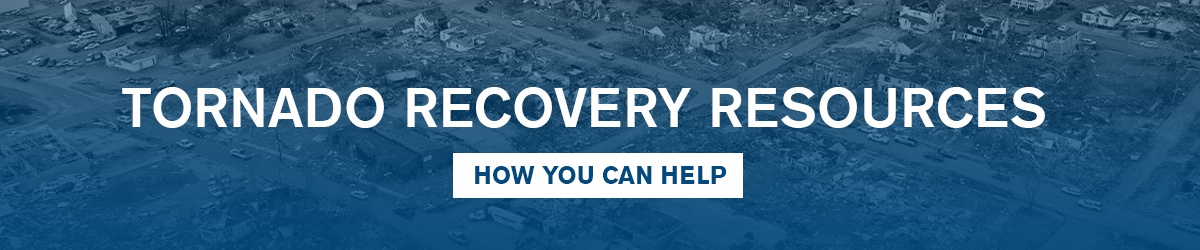 areas. These mobile libraries provided internet connectivity, access to government resources, and reading materials for displaced residents living in temporary housing (2). The ability of bookmobiles to navigate damaged infrastructure and reach isolated populations has made them particularly valuable in disaster response scenarios where traditional communication channels have failed.
Psychological Support and Community Healing
Beyond functional information needs, bookmobiles serve a vital psychological role during disaster recovery. The American Library Association’s publication “Libraries Respond: Crisis and Disaster Response” emphasizes that library services, including mobile units, play an essential role in community healing and mental health support during crisis recovery (3). This recovery function has been particularly evident in communities affected by wildfires.
After the destructive 2022 Oak Fire in California’s Mariposa County, the Mariposa County Library bookmobile served as a temporary community gathering space. Library Journal reported that the mobile library provided storytimes for children and informal support groups for adults, creating opportunities for community members to connect and process their experiences in a supportive environment (4).
Libraries are anchors in their communities, providing solidity and normalcy during uneasy times. Mobile libraries extend this support to neighborhoods where physical infrastructure has been destroyed (3).
Educational Continuity
Major disasters frequently disrupt educational systems, with schools damaged or repurposed as emergency shelters. During the extended recovery from Hurricane Ida, the State 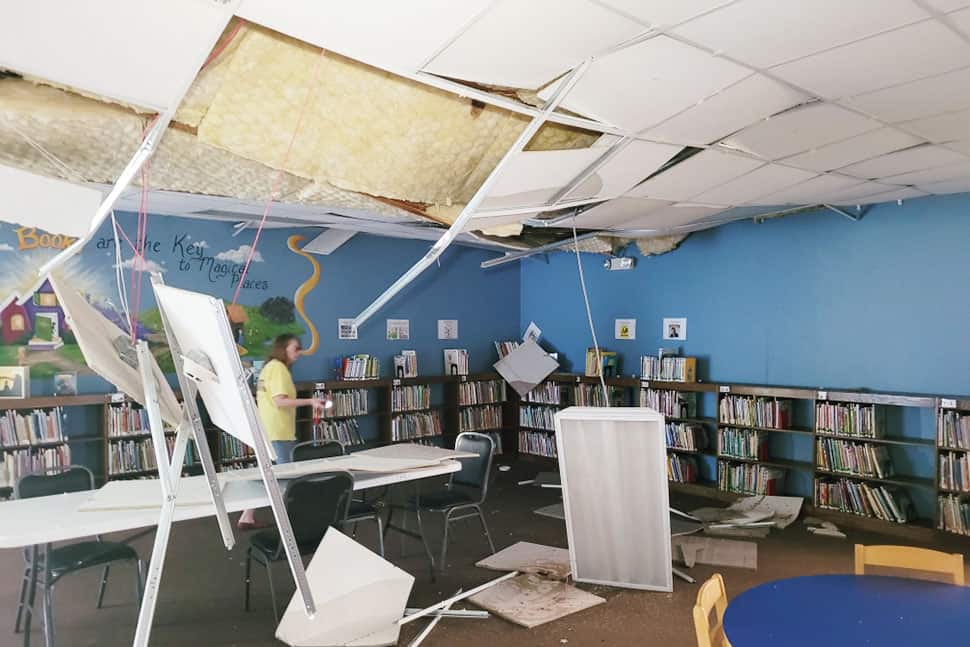 Library of Louisiana expanded its bookmobile services to support educational continuity in affected parishes. These mobile units delivered educational materials, provided homework help, and offered digital literacy programs for students whose schools remained closed (5).
In Puerto Rico, where school infrastructure was compromised by Hurricane Fiona in 2022, mobile library services supported educational continuity through the recovery period. The Library Services and Technology Act (LSTA) funded Puerto Rico to expand mobile library services in disaster-affected regions, reaching communities where traditional educational resources were scarce (6). These mobile libraries provided books, educational programming, and digital learning resources.
Digital Connectivity and Social Services
Modern bookmobiles have evolved to address contemporary needs, particularly digital connectivity. The Federal Emergency Management Agency (FEMA) has recognized the potential of mobile libraries in disaster recovery, noting in their 2023 report on community resilience that bookmobiles equipped with satellite internet can serve as connectivity hubs in areas where communications infrastructure has been damaged (7).
The Queens Public Library in New York demonstrated this capability with their Mobile Library Technology Lab, which provided crucial services after remnants of Hurricane Ida caused devastating flooding in parts of Queens in 2021. The mobile unit offered internet access, device charging, and digital assistance for completing online applications for disaster relief (8).
The digital capabilities of bookmobiles have expanded their functionality as social service access points. Mobile library units are used after tropical storms to connect residents with social services, healthcare resources, and emergency assistance programs (9). Integrating digital services with physical presence has made bookmobiles particularly effective at aiding disaster recovery efforts.
Challenges and Innovations
Despite their effectiveness, bookmobile disaster response faces significant challenges. A comprehensive study published in the International Journal of Disaster Risk Reduction in 2023 identified funding constraints, logistical difficulties in damaged areas, and lack of coordinated planning as primary obstacles to effective library services after disasters (10). The research found that while libraries, including mobile units, are often utilized in disaster recovery, they are rarely included in formal emergency planning.
Innovations are emerging to address these challenges. The Institute of Museum and Library Services (IMLS) awarded $1.2 million in grants between 2022 and 2023 for libraries to enhance their disaster response capabilities, including funding for mobile library services (11). These grants have supported the development of disaster-ready bookmobiles with solar power capabilities, satellite communications, and flexible interior spaces that can be adapted to changing community needs.
Technology adaptations have also enhanced bookmobile capabilities. Following multiple wildfire seasons, the California State Library in 2022 embraced funding for technology-enhanced bookmobiles that can function as self-contained information centers even when power and communications infrastructure have been compromised (12). These bookmobiles have solar panels, satellite internet, and battery storage systems that allow them to operate in areas without functioning utilities.
Bookmobiles represent a uniquely versatile resource in disaster recovery efforts, combining mobility, community trust, and essential services. Their ability to adapt to community needs—whether information access, psychological support, educational continuity, or digital connectivity—makes them valuable assets in rebuilding resilient communities. As climate change increases the frequency and severity of natural disasters, the role of bookmobiles in disaster response will likely continue to evolve and expand, offering a lifeline to affected communities when they need it most.
Sources
- Lee County Library System. (2023). “Hurricane Ian Recovery Report.” https://www.leegov.com/hurricane/Documents/AAR/Lee%20County%20Hurricane%20Ian%20AAR.pdf#search=Hurricane%20Ian%20Recovery%20Report
- Tornado Recovery Resources | Kentucky Chamber. (n.d.). Kentucky Chamber. https://www.kychamber.com/tornado-recovery-resources
- American Library Association. (n.d.). ALA Disaster Relief Fund. https://www.ala.org/relief
- Peet, L. (n.d.). Beyond outreach: How a bookmobile supported Maui’s West Coast community after the fires | Climate crisis. Library Journal. https://www.libraryjournal.com/story/beyond-outreach-how-a-bookmobile-supported-mauis-west-coast-community-after-the-fires-climate-crisis
- Libraries rebound in the wake of Hurricane Ida | American Libraries Magazine. (2021, October 5). American Libraries Magazine. https://americanlibrariesmagazine.org/blogs/the-scoop/libraries-rebound-in-the-wake-of-hurricane-ida/
- Institute of Museum and Library Services. (2023). “LSTA Grants Support Puerto Rico’s Mobile Libraries.” https://www.imls.gov/grants/awarded/ls-246164-ols-20
- Recovery resources. (2025, April 22). FEMA.gov. https://www.fema.gov/emergency-managers/practitioners/recovery-resources
- Queens Borough Public Library. (n.d.). FIVE-YEAR LIBRARY SYSTEM PLAN OF SERVICE (Public Library Systems) 2022-2026. In Queens Borough Public Library. https://www.queenslibrary.org/sites/default/files/about-us/Five-Year-Service-Plan.pdf
- Antonelli, M., Aldrich, R., Tanner, R., & Ho, A. (2025). The Storm is Here: Public Libraries’ Role in Disaster Preparedness and Community Recovery. Electronic Green Journal, 1(51). https://doi.org/10.5070/g3.39629
- Rivera, J., & Chen, A. (2023). “Libraries as Disaster Resilience Assets: Challenges and Opportunities.” International Journal of Disaster Risk Reduction, 77, 103129. https://doi.org/10.1016/j.ijdrr.2022.103129
- $1.2 Million in IMLS CARES Act Grants Awarded for Native American and Native Hawaiian Museum and Library Services. (2020, August 31). Institute of Museum and Library Services. https://www.imls.gov/news/12-million-imls-cares-act-grants-awarded-native-american-and-native-hawaiian-museum-and-library
- California State Library, & Lucas, G. (2024). Annual Report 2024. https://www.library.ca.gov/uploads/2025/02/Library-Annual-Report-accessible-2024.pdf