
Show Up for Vulnerable Kids!
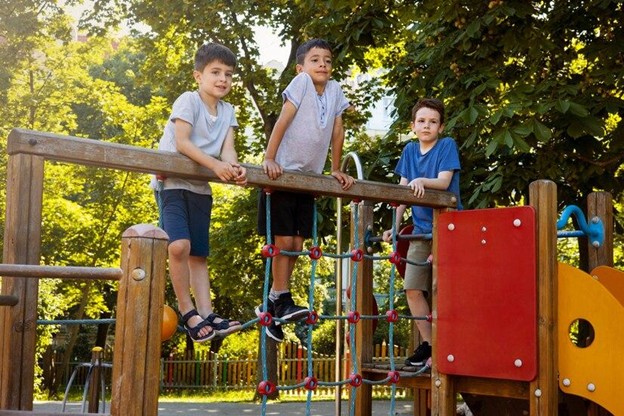
Image via Freepik
Small Hands, Big Stakes: How You Can Show Up for Vulnerable Kids in a World That Often Looks Away
There are children tucked into corners of this world—sometimes in your own neighborhood—who are trying to survive childhood rather than live it. Vulnerable doesn’t begin to capture the reality for many of them; they’re often unsupported, unseen, unheard. And while it’s easy to assume the responsibility falls to nonprofits, social workers, or policymakers, that’s only part of the picture. The truth is, the rest of us have skin in this game too. If you care about a society that works for everyone, then you care about how we show up for kids who didn’t get to choose their circumstances. There are real, tangible ways to be a force of good here.
Mentorship is Louder Than Pity
You might think you need a degree in social work to make an impact, but sometimes what a kid needs most is a consistent adult who actually listens. Whether through formal programs like Big Brothers Big Sisters or just showing up for a child in your community, mentorship is one of the most direct ways to change a trajectory. It’s not about being perfect—it’s about being present. Vulnerable kids are often surrounded by people who come and go, so just sticking around can be revolutionary.
Support the Supporters
Not everyone can be on the frontlines, but you can absolutely have the backs of those who are. Teachers, caseworkers, foster parents—they’re often under-resourced, underpaid, and emotionally tapped. Donating classroom supplies, offering childcare relief, or even just delivering a hot meal to a foster family can lighten the load in ways that ripple out. Think of it as helping the helpers, because when they’re stronger, the kids they support get better care.
Get Loud Locally
National policies matter, but don’t overlook your local school board meetings, city council decisions, and community plans. Vulnerable children are disproportionately affected by local systems—school zoning, access to after-school programs, neighborhood safety. You can advocate for better policies, more funding, and equitable access by simply showing up and speaking out. Change doesn’t always come from Capitol Hill; sometimes it starts at the community center down the block.
Turn Awareness Into Action with Shareable Resources
Creating petitions, educational toolkits, or awareness guides is one of the simplest but most powerful ways to give people something tangible they can share, discuss, and act on. These materials become mini-movements when they’re clear, compelling, and easy to distribute across communities or social platforms. Saving them as PDFs helps keep the formatting clean and ensures they’re accessible no matter what device someone’s using. You can use a free online tool like Adobe Acrobat online to quickly convert different file types into polished, professional PDFs ready to circulate.
Don’t Just Donate—Be Thoughtful About Where It Goes
Giving money is powerful, but where and how you give can make all the difference. Look for grassroots organizations that work directly with vulnerable children—especially those led by people from the communities they serve. These orgs tend to have a deeper understanding of the needs, and your dollars stretch further. A thoughtful donation isn’t about checking a box; it’s about investing in solutions that are already working and just need fuel to keep going.
Create Safe Spaces, Even if They’re Small
You don’t need a nonprofit to make space for kids to feel safe, seen, and valued. Maybe it’s your barbershop that becomes the one place a child can exhale. Maybe it’s your living room, your art studio, your front porch. Vulnerable kids don’t always have spaces where they can just be kids. When you carve out those pockets of safety, you’re not just offering temporary comfort—you’re helping build trust, which is often in short supply for these children.
Challenge the Systems, Not Just the Symptoms
It’s easy to feel helpless when you look at the big picture—poverty, housing instability, racial disparities—but ignoring the systemic stuff is part of how we got here. Use your voice, your vote, your platform to push for broader change. Maybe that means advocating for trauma-informed education policies, or affordable housing, or expanded mental health services for families. It’s not about being a policy expert; it’s about not looking away when the system fails the most fragile among us.
Celebrate Their Joy, Not Just Their Struggle
This one matters more than people realize: don’t define vulnerable children only by what they lack. Share their wins. Highlight their talents. Show up at their recitals, repost their artwork, champion their brilliance. When society only tells one story about a group of people, especially kids, that story becomes a ceiling. Celebrating joy is a form of advocacy too—it says these kids are not a problem to fix but people to love, support, and believe in.
This isn’t a call to swoop in as a savior. It’s a reminder that your presence, your voice, and your action—however small—can help tip the balance toward something better. Vulnerable children don’t need heroes; they need allies. They need adults who choose to show up, not just when it’s easy or convenient, but consistently, quietly, and with open hands. If we all took that responsibility personally, even a little bit, maybe this world would look a little more like the one they deserve.
By Emma Grace Brown – a valued contributor to our blog!
Discover how LibLime can revolutionize your library’s digital and print management with Bibliovation, the only fully integrated Library Services Platform designed by librarians for librarians.