Libraries: Your Global Source for Learn a Foreign Language Month!
December marks “Learn a Foreign Language Month,” an annual invitation to embrace the cognitive, professional, and cultural benefits of multilingualism [1, 2]. As essential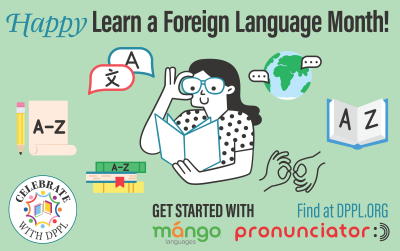 pillars of lifelong learning and equality, public libraries are uniquely positioned to meet this moment, providing free, high-quality access to language resources for patrons of all backgrounds [3, 4].
While demand for foreign-language content is strong—with nearly every surveyed librarian (96%) agreeing it’s essential to their patrons—a significant gap remains: 74% describe their current multilingual collections as “limited” [6].
To effectively bridge this gap and maximize their impact during December and beyond, libraries can implement three key strategies: 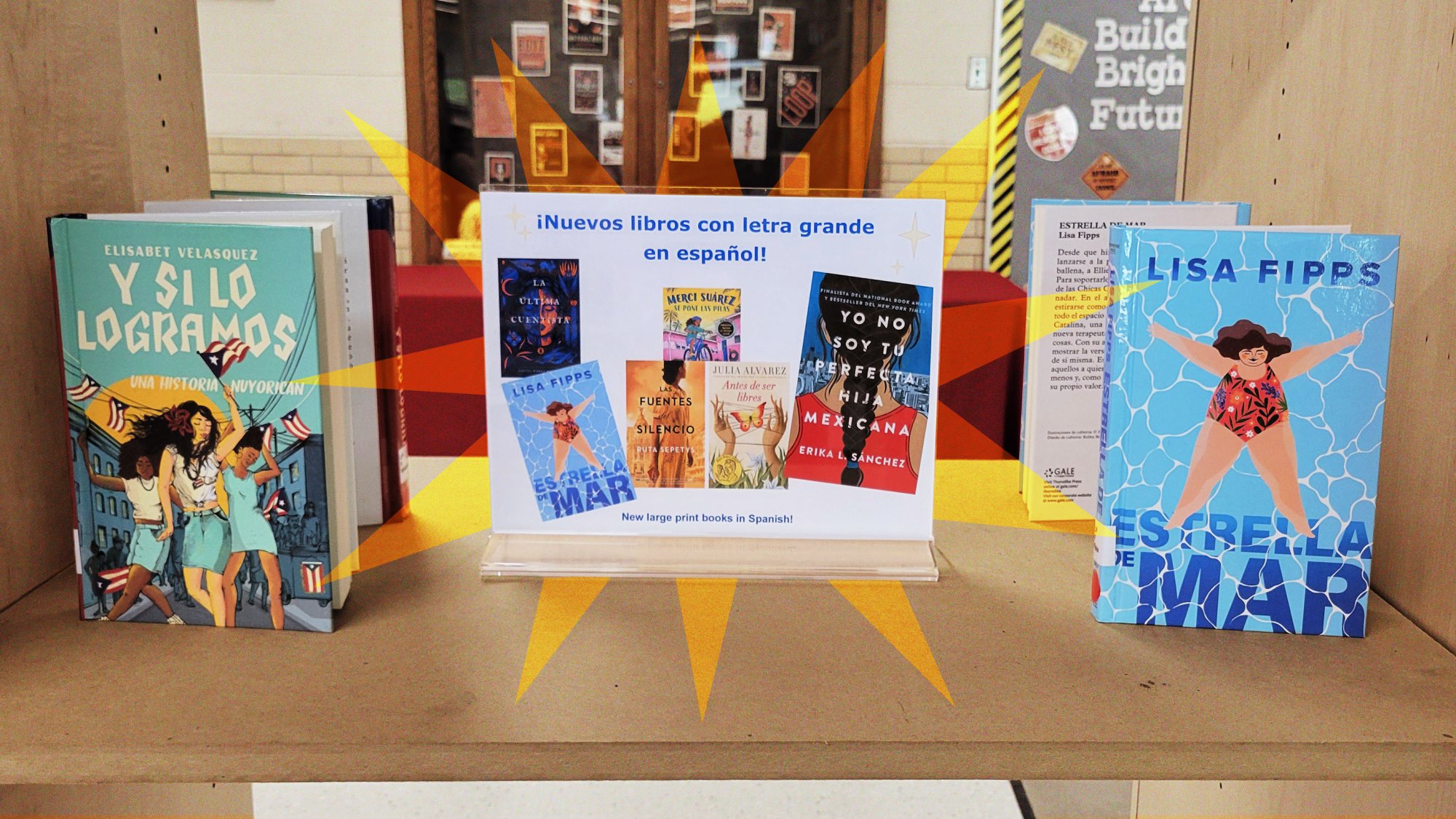 maximizing digital resources, building dynamic, community-focused programs, and making multilingual content more visible.
Maximize High-Tech Language Tools
Libraries have made significant strides in their digital offerings, with most now providing digital books (75%), movies (68%), and audio materials (66%), including foreign-language options [6]. The next step is to promote these tools aggressively.
- Promote Free Language Learning Apps: Libraries often provide free access to popular platforms such as Mango Languages (over 70 languages) and Transparent Language (over 100 languages) [2, 5]. During December, libraries can host simple “Tech Help” workshops to teach patrons how to download and navigate these apps, transforming their library card into a passport for global learning.
- Showcase Multilingual Media: Go beyond textbooks. Libraries should highlight foreign-language films and music CDs/streaming options [1]. For instance, a library
 could create a themed digital display titled “Learn the Language, Love the Cinema,” featuring titles in Spanish, French, Korean, or Japanese—languages often sought after by patrons [1, 7].
Build Dynamic, Community-Focused Programs
While digital resources are crucial, in-person interaction is vital for achieving fluency. Successful library programs combine structured learning with social practice [4, 8].
- Host Conversation Clubs: Establishing weekly, low-pressure conversational groups—often called “Language Cafés”—allows learners to practice speaking in a supportive environment, often with native speakers from the community [8]. These clubs, such as a once-a-week Spanish group in one case study, naturally attract a diverse mix of participants, from senior citizens refreshing skills to native speakers seeking community [5].
- Offer Dual-Language Storytimes and Homework Help: Libraries serving increasingly diverse populations can offer programs such as “Spanish Storytime” for

https://publiclibrariesonline.org/2024/05/connecting-communities-with-language-resources/
younger children or multilingual homework help (e.g., in Spanish, French, and Haitian Creole) [2, 5]. These initiatives not only encourage language acquisition but also actively welcome multilingual families, a crucial step, as 4 out of 5 libraries report that their patron base has become more internationally diverse over the past two decades [6].
- Integrate Culture: Language learning is inseparable from cultural appreciation [2]. Libraries can host cultural events related to the promoted languages, such as festivals, food tastings, or art exhibitions, making the learning a holistic and engaging experience [8].
Increase Visibility and Accessibility
A common barrier is that only a small share of librarians (13%) rate their multilingual resources as highly visible [6].
- Multilingual Signage and Wayfinding: Simple steps such as numbering tables in both English and Spanish, translating key directions, and creating clear, separate collections for world languages and ESL can significantly improve patron welcome [3].
- Targeted Booktalks and Displays: Librarians can commit to showcasing diverse characters and formats, such as large-print books, graphic novels, and audiobooks in multiple languages [3]. This is particularly impactful for multilingual learners, who are often introduced to wider reading through graphic novels [3].
- Promote Specialized Collections: While Spanish is the most supported non-English language in 78% of libraries, a significant opportunity exists in other formats like foreign-language newspapers and magazines, which a third (32%) of libraries do not offer at all [6, 7]. Highlighting existing periodicals is an easy win to connect patrons to
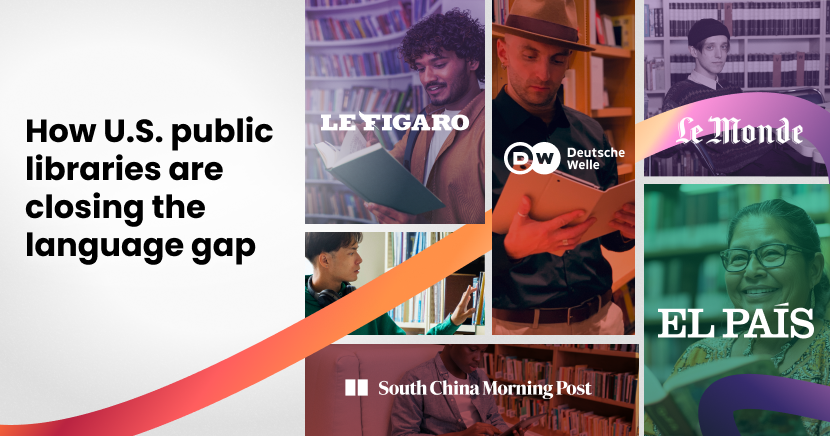 their home countries and global perspectives [6].
By celebrating “Learn a Foreign Language Month” with a renewed focus on accessible digital tools, engaging community programs, and visible collections, libraries can fulfill their role as vital centers for global connection and linguistic opportunity, opening doors to new cognitive and professional pathways for every member of their community [1, 2].
Sources
- Handley Regional Library. 5 Ways the Library Can Help You Learn a Language. https://www.handleyregional.org/blog/5-ways-library-can-help-you-learn-language
- Lackawanna County Library System. National Learn a Foreign Language Month. https://lclshome.org/national-learn-a-foreign-language-month/
- Edutopia. 3 Ways to Make the Library More Useful to Multilingual Learners. https://www.edutopia.org/article/welcoming-english-learners-library
- PressReader Blog. How libraries can promote linguistic diversity on International Mother Language Day and beyond. https://blog.pressreader.com/libraries-institutions/libraries-promote-linguistic-diversity-international-mother-language-day
- Public Libraries Online. Language Learning at the Library. https://publiclibrariesonline.org/2024/05/connecting-communities-with-language-resources/
- PressReader Blog. How U.S. public libraries are closing the language gap. https://blog.pressreader.com/libraries-institutions/how-public-libraries-provide-foreign-language-content
- American Library Association. How to Serve the World @ your library. https://www.ala.org/aboutala/offices/olos/toolkits/servetheworld/index1
- Library Science Degrees Online. Beyond Books: Libraries as Language Learning Centers. https://librarysciencedegreesonline.org/libraries-as-language-learning-centers/