How Political Divisiveness Impacts Library Staff Functionality
American libraries, long considered neutral community anchors, have now become battlegrounds in the nation’s culture wars. The political polarization surrounding these institutions is taking a devastating toll on library staff, undermining their ability to serve communities effectively and threatening the sustainability of library operations nationwide.
https://www.everylibrary.org/billtracking
The increase in political policy changes aimed at libraries has reached new levels in 2025. Between January and July alone, 133 bills considered harmful to libraries were introduced across 33 states—an increase from the 121 bills introduced during all of 2024 (1). This legislative onslaught reflects broader organized efforts to weaponize libraries as political flashpoints, with campaigns increasingly driven by coordinated political groups rather than individual community concerns. The harmful legislation includes bills that would criminalize librarians, establish book rating systems leading to content segregation, and mandate restrictive policies that undermine professional judgment (2).
Library staff face mounting workplace challenges that can harm their functionality. The situation has become so severe that library workers have been intimidated and harassed, called groomers and pedophiles, or even received death threats (3). At the 2025 American Library Association Annual Conference, professionals gathered amid continued threats to library funding and attacks on the freedom to read, highlighting the crisis 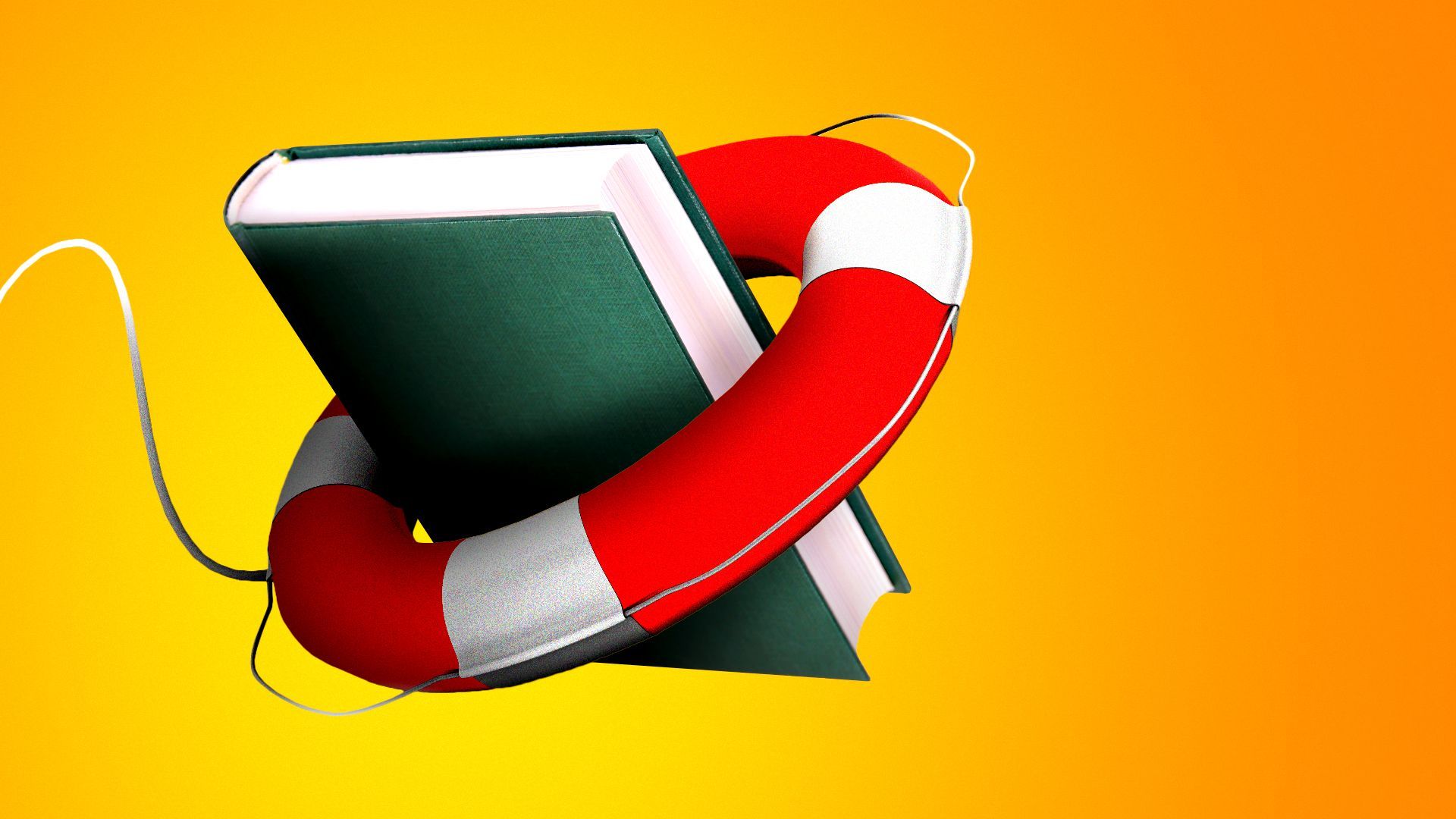 facing the profession (4). The Library Journal reported that librarians are facing budget cuts, attacks on intellectual freedom, and the need for collective action and mutual support to address these challenges (5).
The harassment extends beyond in-person confrontations. Library workers have become targets of organized intimidation campaigns that create a climate of fear, fundamentally compromising their ability to perform professional duties with confidence and focus. The stakes became particularly clear in early 2025 when the U.S. Department of Education dismissed 11 federal complaints related to book removals and framed concerns about growing censorship as a “hoax” (6). The American Library Association swiftly refuted this narrative, stating that “book bans are real” and underscoring that thousands of students, parents, and educators are already facing the consequences of coordinated censorship efforts.
The psychological toll manifests in widespread burnout, which severely diminishes institutional capacity. Staff safety concerns lead to morale, burnout, and retention problems, causing staff to leave and remaining employees to work short-staffed (7). Library professionals are struggling to reconcile their desire to serve their communities with their need for self-preservation, especially as libraries have become hubs for social services and battlegrounds for culture wars (8). The job’s stressors are leading to burnout and psychological trauma that directly impact service delivery.
Political divisiveness also creates operational paralysis around collection management and programming decisions. The politicization of library content forces staff to navigate an impossible landscape where professional judgment is constantly questioned and any selection can trigger organized backlash. This environment inhibits libraries from fulfilling their fundamental mission to provide diverse perspectives and information access to all community members. When institutional policies compromise librarians’ core mission of community service, job satisfaction plummets, accelerating burnout.
The institutional impact extends to recruitment and retention challenges. Oregon library workers face both burnout and layoffs as funding is cut (3), creating a vicious cycle where reduced resources meet increased demands and hostility. Experienced professionals are leaving the field, while potential recruits reconsider entering a profession now characterized by constant attacks and real danger. This talent drain compromises the expertise and continuity essential for effective library operations. One article profiling school librarians noted how censorship, school violence, overwork, and injury drove professionals to the breaking point (9).
The pressure also undermines collaborative work environments, which are essential to library functionality. When staff members fear repercussions for professional decisions, when they must constantly defend their work against bad-faith attacks, and when they experience trauma from harassment, the collegial cooperation necessary for library operations deteriorates. Team cohesion fractures, communication suffers, and organizational culture becomes defensive rather than mission-focused. The American Library Association’s guidance on hateful conduct in libraries acknowledges that historical inequities, microaggressions, and privilege impact library spaces daily (10).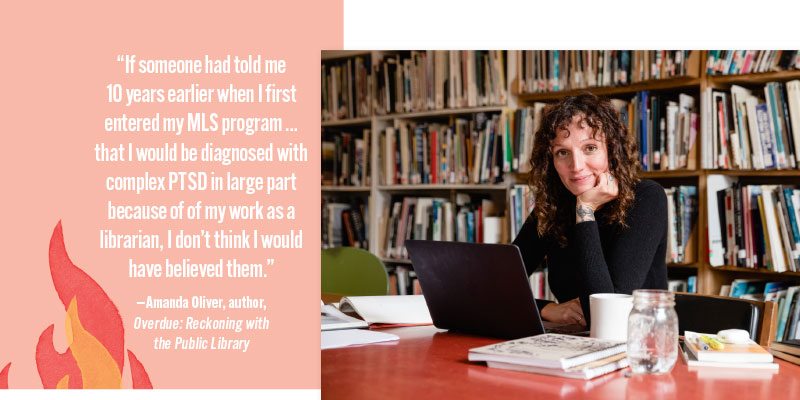
Furthermore, the political targeting of libraries diverts enormous time and resources from core services. Staff who should be developing programs, assisting patrons, and managing collections instead spend hours responding to formal challenges, coordinating with legal counsel, attending contentious board meetings, and managing public relations crises. Administrative leaders must prioritize crisis management over strategic planning, reactive responses over proactive community engagement.
The stakes extend beyond individual institutions. As political divisiveness continues to corrode library staff functionality, communities lose access to the neutral information spaces democracy requires. The professionals who should be bridging information gaps, supporting literacy, and fostering civic engagement are instead fighting for their institutions’ survival and their own safety.
Addressing this crisis requires systemic change: robust legal protections for library workers, adequate funding to support professional autonomy, community education about libraries’ democratic role, and political leadership willing to defend intellectual freedom rather than exploit libraries for partisan gain. Without intervention, the political weaponization of libraries will continue eroding staff capacity, ultimately depriving communities of these essential democratic institutions.
References:
- Philadelphia Gay News. “New report warns of escalating legislative attacks on libraries in 2025.” July 29, 2025. https://epgn.com/2025/07/29/new-report-warns-of-escalating-legislative-attacks-on-libraries-in-2025/
- EveryLibrary. “Legislation of Concern in 2025.” 2025. https://www.everylibrary.org/billtracking
- Axios Portland. “Library staff in Oregon face burnout from stress and cuts.” January 18, 2024. https://www.axios.com/local/portland/2024/01/18/libraries-burnout-multnomah-county-report
- American Library Association. “The American Library Association Annual Conference and Exhibition brings more than 14,000 to Philadelphia.” 2025. https://www.ala.org/news/2025/07/american-library-association-annual-conference-and-exhibition-brings-more-14000
- Library Journal. “Solidarity in Action: Labor, AI, and the Future of Libraries at ALA 2025.” July 16, 2025. https://www.libraryjournal.com/story/solidarity-in-action-labor-ai-and-the-future-of-libraries-ala-annual-2025
- Katina Magazine. “Why the American Library Association Still Matters.” February 6, 2025. https://katinamagazine.org/content/article/future-of-work/2025/why-the-ALA-still-matters
- Library 2.0. “Service, Safety, and Security.” 2025. https://www.library20.com/service-safety-and-security
- InfoDocket. “NY Times: ‘Librarians Face a Crisis of Violence and Abuse.'” 2024. https://www.infodocket.com/2024/10/31/ny-times-librarians-face-a-crisis-of-violence-and-abuse/
- School Library Journal. “Stress Tested: These School Librarians Hit the Breaking Point. Here’s How They Moved On.” May 2, 2023. https://www.slj.com/story/Stress-Tested-These-School-Librarians-Hit-the-Breaking-Point-Heres-How-They-Moved-on
- American Library Association. “Hateful Conduct in Libraries: Supporting Library Workers and Patrons.” 2025. https://www.ala.org/advocacy/hatefulconduct