
The Role of Libraries in Times of Post-Political Conflict
In the aftermath of political violence, communities grapple with many challenges. Among these, the need for reliable information becomes paramount. Libraries, as knowledge and community engagement powerhouses, play a crucial role in meeting this need. They stabilize and provide sources of trustworthy information when communities are working to recover.
Rebuilding Trust in Information
Political violence erodes trust in traditional sources of information, often called mainstream media (MSM). Propaganda, misinformation, and censorship leave communities wondering where to turn for facts. Libraries, committed to providing balanced resources, become essential in rebuilding this trust. They offer a neutral space where individuals can access a wide range of perspectives and form their own informed opinions.
Librarians, trained in information literacy, guide patrons through evaluating sources and distinguishing fact from fiction. A PressReader Blog article asks, “…media companies and libraries work together to achieve the same goal: freedom of the press and uncensored access to media content that matters?” Thus, libraries are invaluable in an environment where rumors and misinformation can hinder recovery efforts and reignite tensions.
Documenting and Preserving History
Libraries often take on the role of archivists in the wake of political violence. They collect and preserve firsthand accounts, news reports, and official documents related to the conflict. This documentation serves multiple purposes: it aids in reconciliation efforts, supports potential legal proceedings, and ensures that the community’s experiences are not forgotten.
Supporting Education and Skill Development
In post-conflict situations, education systems are often disrupted. Libraries step in to fill this gap, offering resources for self-directed learning and supporting formal education programs. They provide textbooks, online courses, and study spaces for students of all ages. This support is precious in communities where traditional economic structures have been upended by violence.
Facilitating Community Healing
Libraries host discussion groups, cultural events, and workshops that unite people divided by conflict. They encourage empathy and understanding through book clubs, storytelling sessions, and other programs. These activities help community members process their experiences and see different perspectives, fostering social cohesion after divisive violence. One example is when Melanie Townsend Diggs, the branch manager of Enoch Pratt Free Library, stated in 2015, “We are public servants every day. [During the height of the unrest] we were giving the best service to our customers and our community that we can give. We do that every day.”
Providing Access to Government and Aid Information
 Access to information about government services, aid programs, and legal rights is crucial in post-conflict situations. Libraries often serve as information hubs, distributing materials from local authorities and international organizations. They help community members navigate complex bureaucracies and access the support they need to rebuild their lives.
Libraries also provide internet access, allowing individuals to connect with distant family members, access online services, and stay informed about ongoing developments. This digital lifeline is critical in areas where personal access to technology may be altered.
Adapting Services to Meet Evolving Needs
The needs of a community recovering from political violence are dynamic and multifaceted. Libraries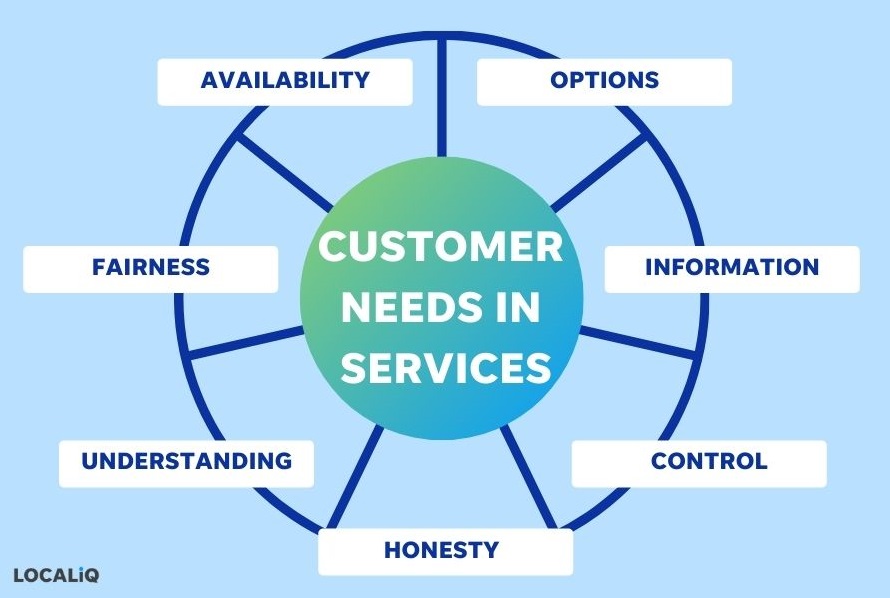 demonstrate remarkable adaptability in meeting these changing needs. They might extend their hours, create mobile services to reach displaced populations or develop specialized collections addressing trauma and recovery.
In the aftermath of political violence, libraries are indispensable pillars of community recovery. They offer hope, stability, and a path forward while helping communities rebuild and reimagine their futures.