
Funder Requirements & Open Access Publishing
In recent years, the landscape of academic publishing has undergone a significant transformation, primarily driven by the push for OA (OA) to research outputs. At the forefront of this change are funding bodies whose policies and requirements have become increasingly influential in shaping how research is shared. Let’s review the many impacts of funder requirements on OA publishing.
The Rise of Open Access Mandates
Funding organizations, ranging from government agencies to private foundations, have recognized the potential of OA to accelerate scientific progress and maximize the impact of research. As a result, many have implemented mandates requiring grant recipients to make their research findings freely available to the public. These mandates typically specify conditions such as the type of OA (gold or green), the embargo periods, and the platforms where research should be available.
For instance, the National Institutes of Health (NIH) in the United States requires all peer-reviewed publications from NIH-funded research to be made freely available in PubMed Central within 12 months of publication. Similarly, the European Commission’s Horizon Europe program mandates immediate OA for all peer-reviewed scientific publications resulting from its funding.
Impacts on OA Publishing
- Increased OA Adoption:
Funder mandates have been a significant driver in the growth of OA publishing. These  policies have encouraged researchers to choose OA options for their publications by tying funding to OA requirements. Leading to a substantial increase in the number of articles available through OA channels, thus improving the accessibility of scientific knowledge. Some of these changes were implemented by the US government back in 2022, according to nature.com.
- Development of OA Infrastructure:
Institutions and publishers have invested in developing robust OA infrastructure to comply with funder requirements. This includes creating institutional repositories, enhancing publisher platforms to support OA content, and developing tools to track compliance with OA mandates. The Coalition for Networked Information has greatly supported creating and using open infrastructure and OA for the benefit of all.
- Shift in Publishing Models:
Funder requirements have accelerated  the transition from traditional subscription-based models to various forms of OA publishing. This has led to the addition of gold-type OA journals and hybrid publishing models. IOP Publishing states, “Hybrid open access refers to a publishing model in which subscription-based journals allow authors to make individual articles gold open access immediately on payment of an article publication charge.”
- Increased Visibility and Impact:
By making research freely available, funder mandates have increased funded research’s visibility and potential impact. Studies have shown that OA articles generally receive more citations and have a broader reach than articles behind paywalls. Mocano, a company that manages paywalls for publishers, wrote an article about how paywalls can impact information access, stating, “…Paywalls create a digital divide, limiting access to vital news and information for those who cannot afford to pay. This is particularly problematic in an era where misinformation and fake news are rampant. When quality journalism is locked behind paywalls, it can leave a gap that is filled by less reliable sources…” We’ve all seen the problems misinformation causes, thus highlighting the need for OA.
- Promotion of Research Integrity:
Many funder requirements extend beyond just publication access to include the sharing  of research data and materials. This push for greater transparency can contribute to improved research integrity and reproducibility. Without research integrity, we run into problems such as research misconduct, which, according to the Lancet, “Research misconduct can not only contribute to research waste but also cause real harm to patients by distorting the evidence base.”
- Article Processing Charges (APCs):
The shift towards gold OA has led to using APCs, where authors (or their institutions) pay a fee to publish their work openly. Due to this, concerns have risen about creating new barriers to publication, particularly for researchers from less-resourced institutions or developing countries. Several publishing companies have recognized this issue and have come up with some solutions, detailed in this article on enago.com.
- Quality Concerns:
The rapid growth of OA journals, partly in response to funder mandates, has led to concerns about the quality of some OA publications. Predatory journals prioritizing profit over scholarly rigor have emerged as a significant problem in the OA landscape. There are many resources about predatory publishing, from YouTube videos to libguides like this one from the University of Michigan (go blue!).
- Publisher Resistance:
Some traditional publishers have resisted the changes by funder OA requirements, viewing them as threatening their business models. Especially publications often used in higher education. This has led to tensions and negotiations between publishers, institutions, and funders. For example, one article about this is fenced in behind a publisher’s registration and paywall, which, coincidentally, is a publication about issues in higher education. Also, the Netherlands Organisation for Scientific Research (NWO) published a study about moves being constructed Towards Responsible Publishing (TRP).
As the OA landscape continues to evolve, various approaches are employed to handle the challenges posed by funder requirements:
- Read and Publish Agreements:
Many institutions negotiate “read and publish” or “transformative” agreements with publishers. Deakin University Library defines this arrangement as “…designed to support the transition to an open scholarly publishing system. They take the library’s existing expenditure on subscriptions and repurpose it to cover both reading and publishing in that publisher’s journals. If you publish in a journal that’s included in one of the Read & Publish agreements, you will be able to publish direct to open access with no transactional Article Processing Charges (APCs).” These deals combine subscription access with provisions for OA publishing, potentially reducing the financial burden on individual researchers.
- Funder Support for APCs:
Some funding bodies have responded to concerns about APCs by offering dedicated funds to cover these charges or factoring them into grant budgets. An excellent flowchart created by the Newton Gresham Library of Sam Houston State University helps authors determine what to do about APCs.
- Repository Networks:
The development of networked repository infrastructures, such as OpenAIRE in Europe, is helping to streamline compliance with funder mandates and improve the discoverability of OA content.
- Rights Retention Strategies:
Initiatives like Plan S are promoting rights retention strategies, allowing researchers to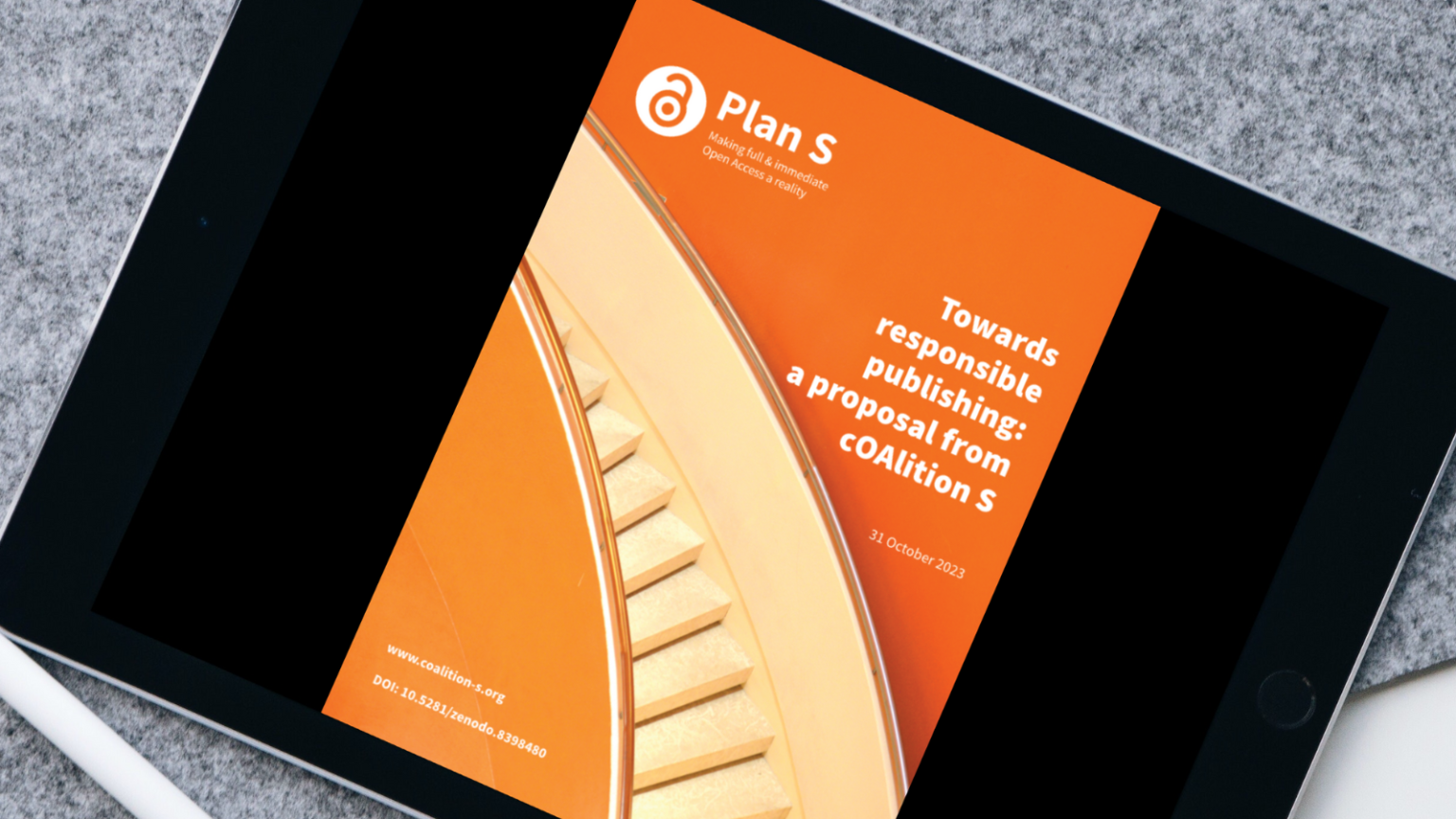 comply with OA mandates while publishing in their preferred venues.
- Metrics and Monitoring:
Funders and institutions are developing sophisticated systems to monitor OA compliance and assess the impact of OA publications, helping to demonstrate the value of their OA policies. One example is an opinion article published in UKSG Insights, which states, “…importance of monitoring systems in showcasing policy implementation, aiding decision-making, ensuring compliance and measuring impact in the pursuit of a more open scholarly landscape.”
Funder requirements have been a powerful force in pushing the adoption of OA publishing. While these mandates have accelerated the change towards more open and accessible research, they have also introduced new challenges and complexities into the scholarly publishing realm. As the landscape evolves, ongoing dialogue and collaboration between funders, researchers, institutions, and publishers will create a sustainable and equitable OA future.