Current Trends in Youth Literature: A 2023 Perspective
Youth literature continues to evolve, reflecting young readers’ changing interests and concerns. Let’s explore some of the most prominent topics and trends in youth literature as of 2023.
- Diversity and Inclusion
One of the most significant trends in youth literature is the increasing focus on diversity and inclusion. According to the Cooperative Children’s Book Center (CCBC), there has been a steady increase in books featuring protagonists from diverse backgrounds [1]. In 2022, 36% of children’s and young adult books received by the CCBC featured BIPOC (Black, Indigenous, and People of Color) main characters, up from 30% in 2019.
- Mental Health and Well-being
Books addressing mental health issues have gained prominence in recent years. A panel at the IBF (International Bipolar Foundation) discussed young adult literature and  portrayals of characters dealing with anxiety, depression, and other mental health challenges [2]. These books provide young readers with representations of mental health struggles and coping strategies.
- Climate Change and Environmental Issues
Environmental themes continue to be a significant trend in youth literature. In fact, Scholastic published a list of kids’ books pertaining to the subject. [3].
- Social Justice and Activism
Literature that addresses social justice issues and encourages youth activism has grown in popularity. Books exploring racial inequality, gender discrimination, and other forms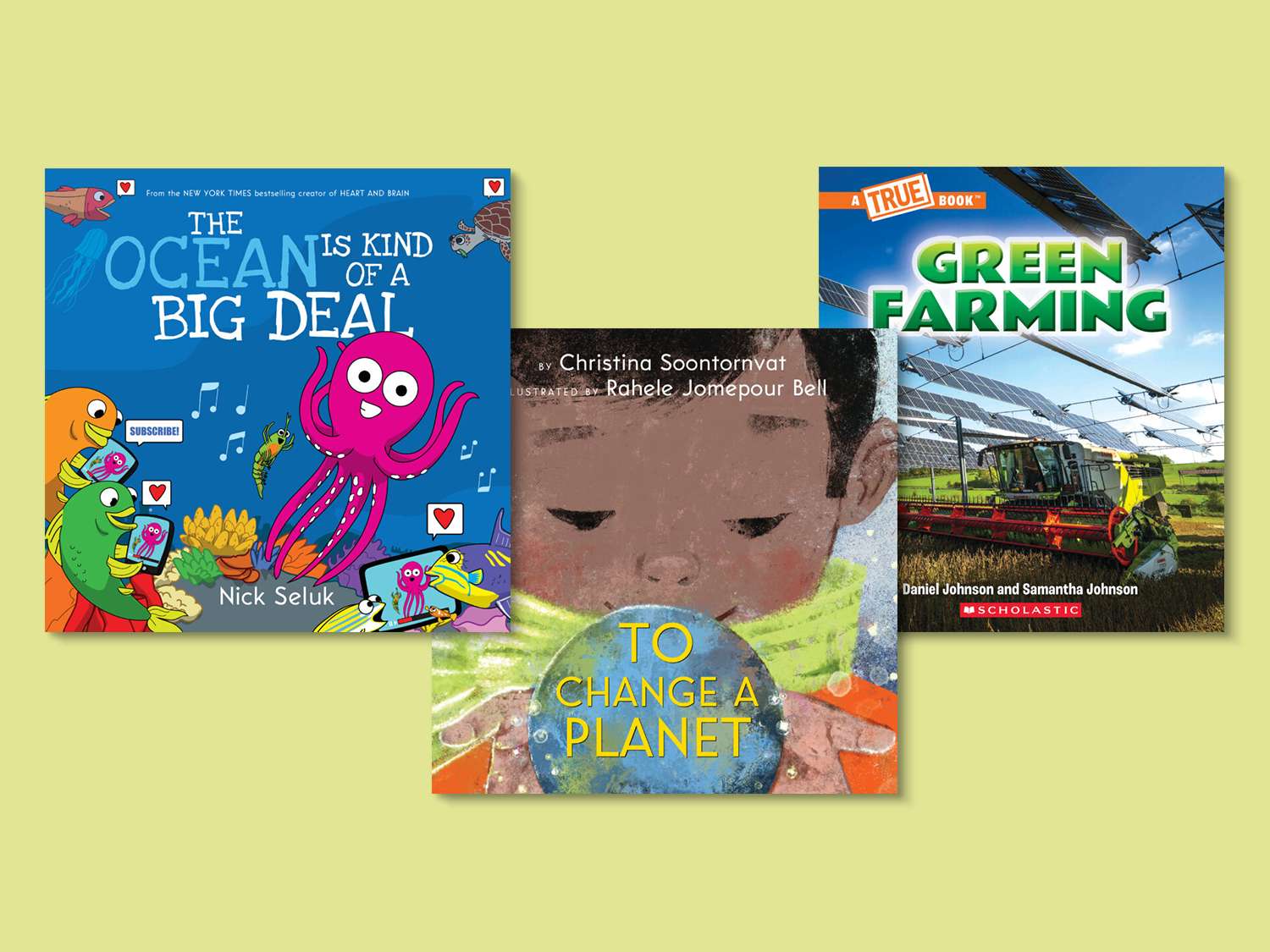 of social injustice are resonating with young readers. The American Library Association reported a 25% increase in the circulation of social justice-themed books for young adults in 2022 [4].
- Fantasy and Science Fiction
Fantasy and science fiction remain popular genres in youth literature. However, these genres are growing,  incorporating diverse characters and addressing real-world issues. A survey by Scholastic found that 62% of children aged 6-17 enjoy reading fantasy and science fiction books [5].
- Graphic Novels and Manga
The popularity of graphic novels and manga continues to grow among young readers. According to NPD BookScan, graphic novel sales increased by 76% in 2021 compared to 2020, with much of this growth driven by young adult readers [6].
- LGBTQ+ Representation
Books featuring LGBTQ+ characters and themes have become more prevalent in youth literature. The CCBC reported that 4.5% of the children’s and young adult books received in 2022 had significant LGBTQ+ content, up from 3.4% in 2019 [1].
- Historical Fiction with Modern Relevance
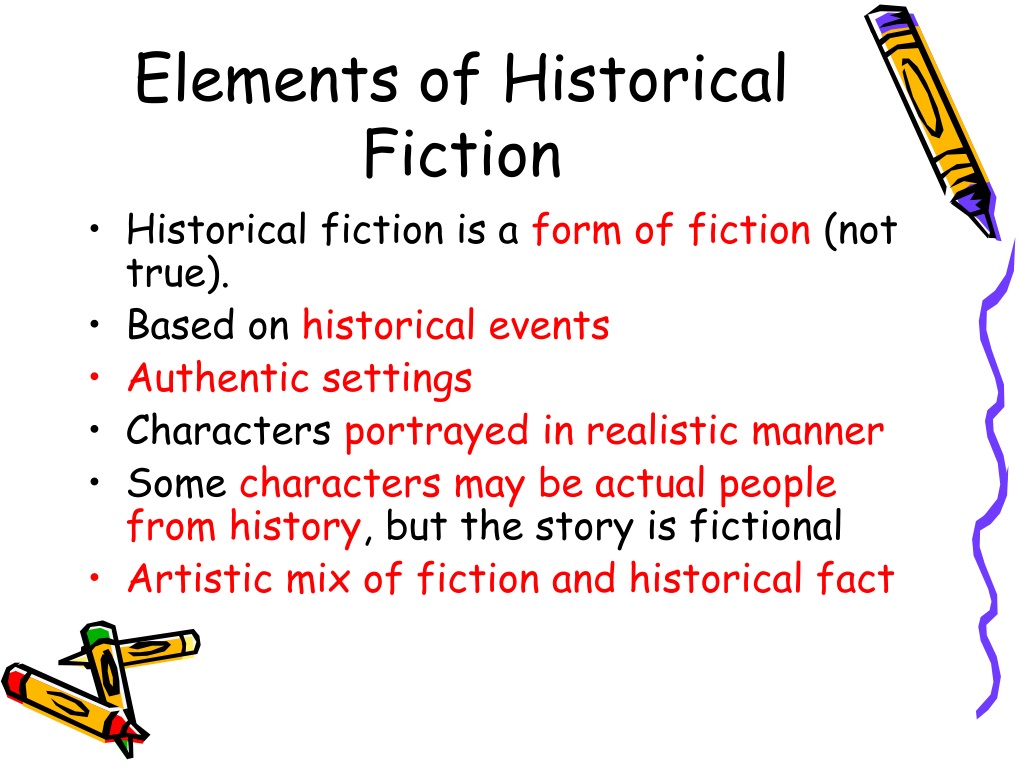 Historical fiction that draws parallels to current events has gained traction. These books often explore historical injustices and their relevance to contemporary issues. Historical fiction books addressing themes of social justice were among the most frequently assigned texts in middle and high school English classes [7].
- Tech-Themed Stories
As technology becomes increasingly integral to young people’s lives, books exploring the impact of technology on society and individuals have become more common. Stories addressing social media, artificial intelligence, and virtual reality are viral [8].
- Own Voices Literature
The “Own Voices” movement, which promotes books about diverse characters written by authors from that same diverse group, has gained significant momentum. Publishers Weekly reported a 40% increase in submissions of Own Voices manuscripts in 2022 compared to 2020 [9].
These trends reflect the evolving interests and concerns of young readers in 2023. From diverse representation to mental health awareness,  from environmental issues to technological impacts, youth literature continues to address a wide range of topics that resonate with its audience. As we move toward 2024, many of these trends will likely continue to shape the landscape of youth literature.
References:
[1] Cooperative Children’s Book Center. (2023). CCBC Diversity Statistics. School of Education, University of Wisconsin-Madison. https://ccbc.education.wisc.edu/literature-resources/ccbc-diversity-statistics/
[2] International Bipolar Foundation. (2021, May 17). Mental health representation in young adult literature. https://ibpf.org/articles/mental-health-representation-in-young-adult-literature/
[3] Scholastic Parents Staff. (2024, March 11). Best children’s books about the environment: These children’s books about the environment will teach kids their important role in protecting planet Earth. Scholastic. https://www.scholastic.com/parents/books-and-reading/raise-a-reader-blog/childrens-books-about-environment.html
[4] American Library Association. (2023). State of America’s Libraries Report 2023. http://www.ala.org/news/state-americas-libraries-report-2023
[5] Scholastic. (2023). Kids & Family Reading Report: 8th Edition. https://www.scholastic.com/readingreport/home.html
[6] NPD BookScan. (2022). 2021 U.S. Book Market Review. The NPD Group.
[7] Whitlock, A. M., & Brugar, K. A. (2022). Historical fiction and its commonplace in classrooms. The History Teacher, 56(1), 1-28. Grand Valley State University; University of Oklahoma. https://www.societyforhistoryeducation.org/pdfs/N22_Whitlock_and_Brugar.pdf
[8] The Lancet Child & Adolescent Health. (2018). Growing up in a digital world: Benefits and risks. The Lancet Child & Adolescent Health, 2(2), 79. https://doi.org/10.1016/S2352-4642(18)30002-6
[9] Karunakaran, S. (2021, April 9). Why #OwnVoices in literature matter. Her Campus. https://www.hercampus.com/life/own-voices-representation-literature/