How Collaborative School Projects Build Stronger Campus Relationships
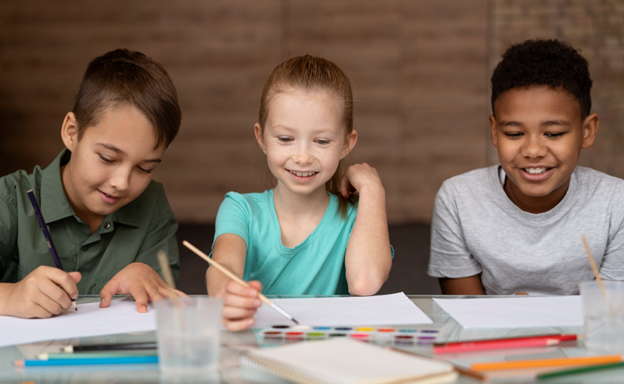
Image by Freepik
Schools, Communities and Relationships
Schools have always been more than just centers for learning — they’re micro-communities that thrive on connection. Collaborative projects like class publications, art showcases, and storytelling initiatives do more than fill bulletin boards; they weave together relationships between students, teachers, and staff, creating shared ownership of the school’s identity.
Key Highlights
- Joint creative efforts like magazines, art shows, and storytelling projects turn classrooms into communities.
- Collaboration improves communication, empathy, and belonging among students and educators.
- A comprehensive school yearbook design can help anchor these efforts — serving as a collective story that celebrates everyone’s voice.
- Regular, inclusive projects strengthen trust and reduce social barriers across roles and grades.
The Power of Collaboration in Learning
Group projects, when done well, act as social equalizers. They invite diverse talents — writers, designers, speakers, organizers — to work toward a shared goal. Whether it’s producing a student newspaper or curating an art exhibit, everyone contributes something essential.
Teachers and staff benefit too. When students lead initiatives, educators step into coaching roles, reinforcing mutual respect and mentorship rather than hierarchy. The result? A campus culture that values contribution over competition.
A Table of Collective Impact
Collaborative projects shape both individual and institutional outcomes.
| Type of Project | Who It Involves | Primary Benefit | Example Outcome |
| Class publication | Students, English & Art teachers | Strengthens literacy and teamwork | Quarterly digital magazine |
| Storytelling week | Students, librarians, staff | Builds empathy and listening skills | “Voices of Our School” anthology |
| Art showcase | Art, music, and drama departments | Fosters creative pride and visibility | Annual spring gallery event |
| Peer mentorship program | Senior & junior students | Encourages leadership & connection | Ongoing “Big Buddy” initiative |
Each column in this table represents a pathway to deeper connection. When schools integrate these traditions into their calendar, collaboration becomes part of the rhythm of belonging.
How to Build Belonging Through Projects
Successful school-wide projects aren’t accidents — they follow intentional design. Here’s how educators and students can create them sustainably.
How-to Checklist
(Use this as a quick-start plan for your next collaborative event.)
- Define purpose early: Is it to express creativity, celebrate identity, or document memories?
- Invite diverse roles: Writers, photographers, editors, organizers — everyone gets a part.
- Set shared deadlines: Align class and staff schedules to avoid overload.
- Provide structure but freedom: Offer guidance without stifling student ownership.
- Celebrate inclusivity: Showcase contributions from every grade or department.
- Archive outcomes: Save digital copies or physical versions to reflect on growth each year.
When each project becomes a ritual rather than a one-time activity, students see their voices reflected in the institution’s story — and that continuity builds pride.
The Yearbook as a Living Collaboration
One of the most enduring ways to nurture this culture is through an inclusive, school-wide yearbook project. A comprehensive school yearbook design lets students and staff collaborate on storytelling, photography, and design in ways that celebrate the entire community.
By using customizable online platforms, schools gain access to real-time collaboration tools, bulk printing options, and rapid delivery — removing logistical friction so teams can focus on creativity.
Beyond being a keepsake, the yearbook becomes a mirror of shared experiences: the inside jokes, the triumphs, and the faces that define the school’s heartbeat.
Celebrating Storytelling as Culture
Storytelling projects — oral histories, podcasts, digital zines — connect generations within the school. When teachers contribute memories alongside students, the narrative becomes multivocal. It’s no longer students writing for students, but a collective dialogue between the learners and the leaders.
Before long, classrooms evolve into creative studios, hallways turn into galleries, and schools start feeling like communities that remember together.
Frequently Asked Questions
Before wrapping up, here are some common questions educators ask when starting collaborative initiatives.
Q: What if some students prefer to work independently?
A: Offer micro-projects that still connect to the larger goal. For example, a student might design one page or record a single story — small pieces that still matter.
Q: How can staff balance involvement without overstepping?
A: Frame educators as facilitators, not directors. Their role is to mentor, not manage.
Q: How do we measure the impact of these projects?
A: Track participation rates, student feedback, and post-project reflections — qualitative indicators of belonging are often more telling than test scores.
The Ripple Effect of Collaboration
When students and teachers co-create, they move beyond transactional learning. These projects strengthen empathy, communication, and school spirit. Shared creative labor builds memories that outlast exams and grades — and reminds everyone that education is, at its core, a collective act.
In every sketch, story, and photo, the message is the same: We did this together.
Conclusion
Collaborative school projects are more than extracurricular fun — they’re the infrastructure of community. They teach cooperation, reflection, and pride in shared achievement. Whether through a vibrant art show or a co-created yearbook, schools that invest in collaboration invest in connection. The result is a campus culture where everyone belongs, and every story finds its place.
By Emma Grace Brown, a frequent contributor to this blog!
Discover how LibLime can revolutionize your library’s digital and print management with Bibliovation, the only fully integrated Library Services Platform designed by librarians.