
Top 10 Best Ways to Market Library Services Without Spending Much Money
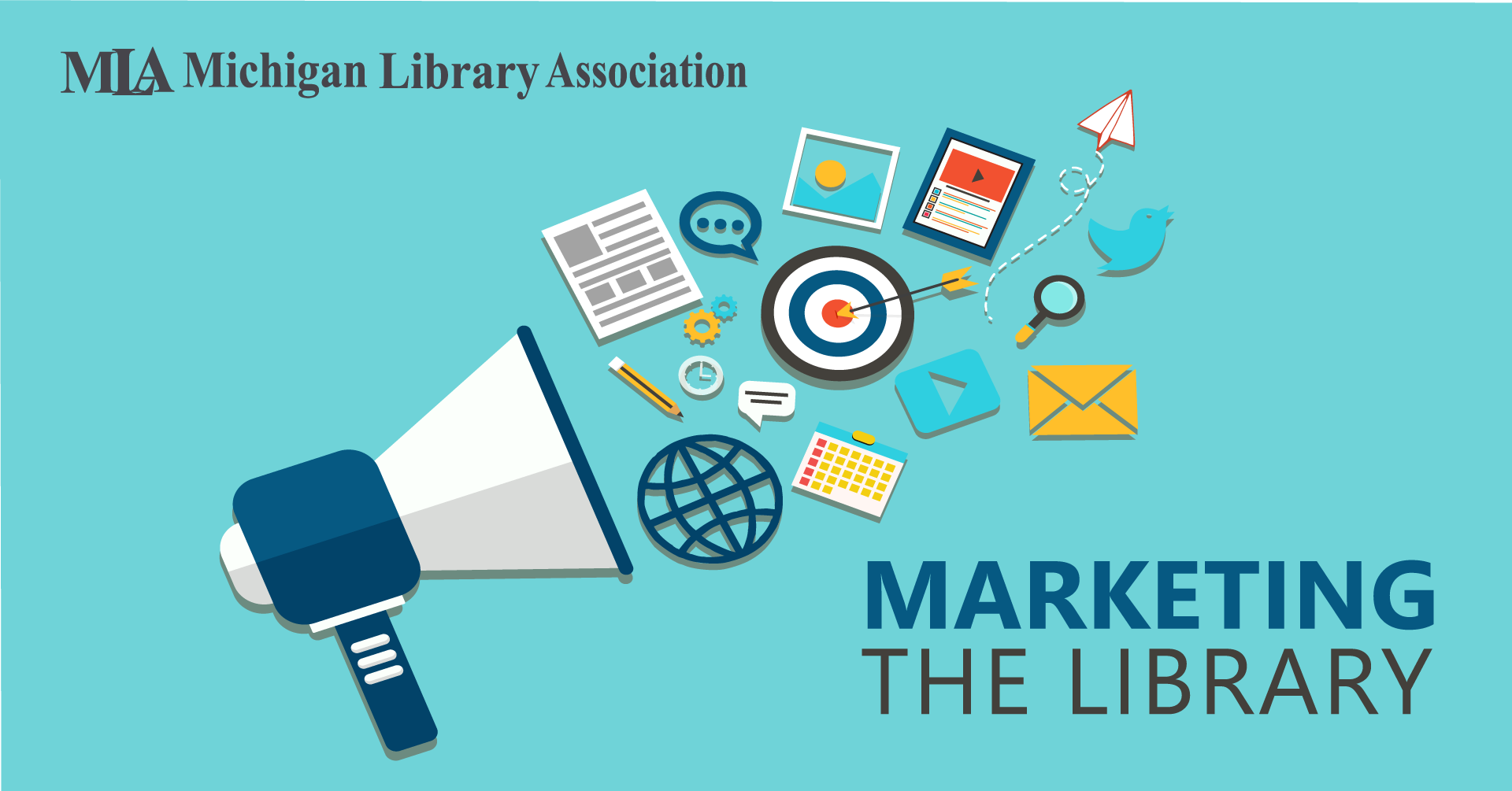 In an era of tight budgets and increasing competition for community attention, libraries face the ongoing challenge of promoting their services without substantial marketing funds. Fortunately, the digital age has created numerous low-cost and no-cost opportunities for libraries to reach their communities effectively. From social media strategies to grassroots engagement, libraries can implement powerful marketing campaigns that maximize impact while minimizing expenses.
1. Leverage Social Media Platforms
Social media remains one of the most cost-effective marketing tools available to libraries. Platforms like Facebook, Instagram, Twitter, and TikTok allow libraries to reach

https://www.ala.org/advocacy/intfreedom/socialmediaguidelines
thousands of patrons without spending a dollar on traditional advertising. The key is consistent, engaging content that showcases programs, new acquisitions, and behind-the-scenes glimpses of library life (1).
Libraries can create content calendars to maintain regular posting schedules, share user-generated content, and engage with followers through comments and direct messages. Video content, including book talks, staff recommendations, and virtual tours, tends to generate higher engagement rates. Many successful library social media accounts have built substantial followings through authentic, community-focused content that resonates with their audience.
2. Develop Strategic Partnerships
Forming partnerships with local organizations, schools, businesses, and community groups costs nothing but time and creativity. These collaborations can expand a library’s reach by tapping into partner organizations’ existing networks (2). A partnership with a local coffee shop might involve displaying library materials in their space, while  collaboration with schools can include joint programming or resource sharing.
Libraries can also partner with local media outlets to offer community calendar listings, guest appearances on local radio shows, or feature stories in neighborhood newspapers. These partnerships create a multiplier effect, where each organization promotes the other’s services to their respective audiences, effectively doubling marketing reach without doubling costs.
3. Create and Distribute Email Newsletters
Email marketing continues to deliver impressive returns on investment for libraries with existing patron databases. Regular newsletters keep library services top-of-mind for community members, announce upcoming programs, and highlight new resources (3). Most email marketing platforms offer free tiers for organizations with smaller subscriber lists, and many libraries can manage their email marketing needs without paid subscriptions.
Effective library newsletters include compelling subject lines, mobile-friendly designs, clear calls to action, and content that provides genuine value to readers. Segmenting email lists by patron interests—such as children’s programming, teen services, or adult education—allows libraries to send targeted messages that resonate more strongly with specific audiences.
4. Optimize Google My Business and Online Directories
Claiming and optimizing a library’s Google My Business listing is free and significantly improves local search visibility. When community members search for “library near me” or specific library services, an optimized listing ensures the library appears prominently in search results (4). Libraries should include accurate hours, contact information, photos, and regular updates 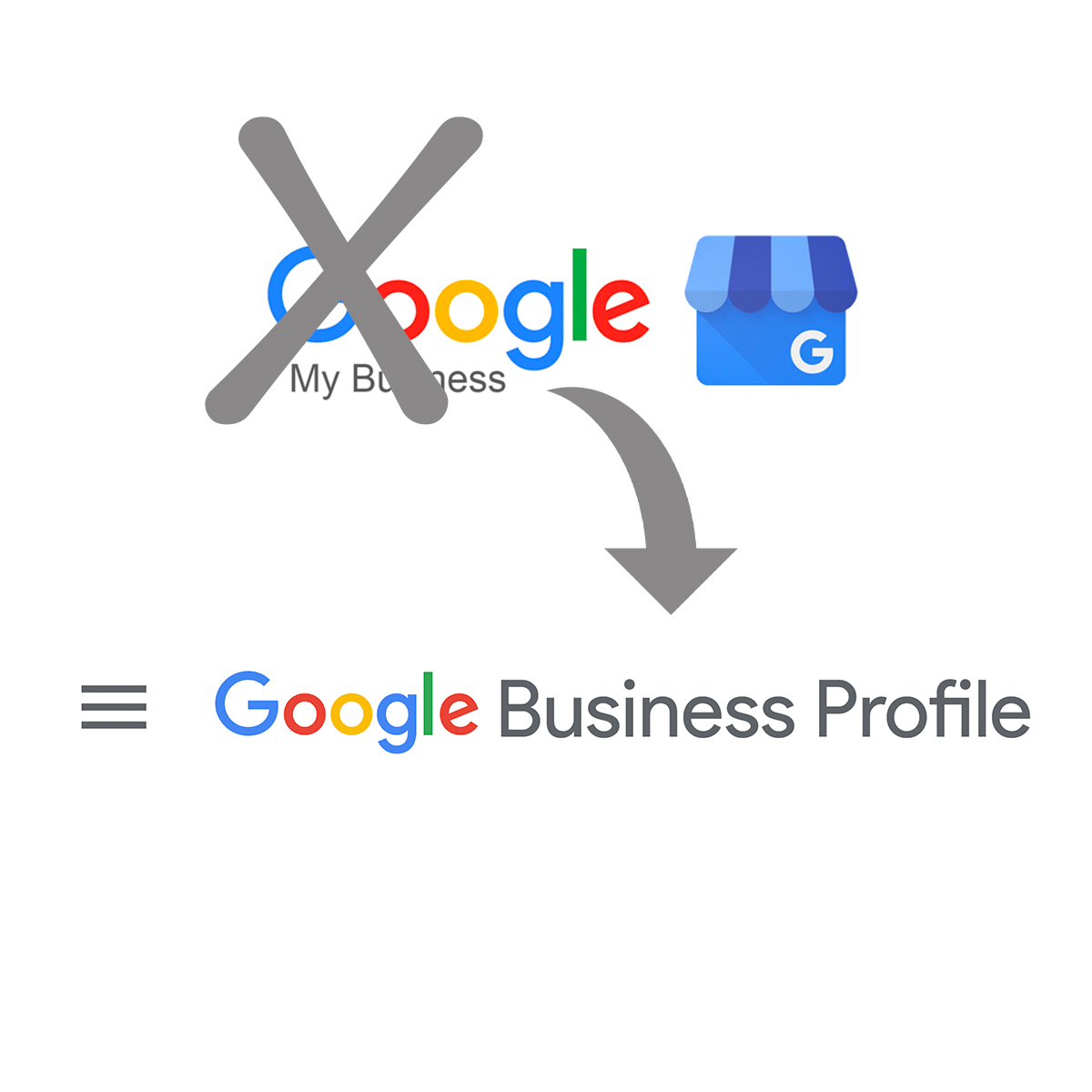 about programs and services.
Beyond Google, libraries should ensure their information is current on other online directories, review sites, and community platforms. Encouraging satisfied patrons to leave positive reviews on these platforms provides social proof that attracts new users while costing the library nothing.
5. Implement Word-of-Mouth Marketing Programs
Personal recommendations remain one of the most potent forms of marketing, and libraries can systematically encourage word-of-mouth promotion through ambassador programs, referral incentives, and exceptional service experiences (5). Training staff to provide outstanding customer service naturally generates positive word-of-mouth, as delighted patrons share their experiences with friends and family.
Libraries can formalize this by creating “Friends of the Library” groups or patron ambassador programs where enthusiastic library users actively promote services within their networks. Providing these advocates with shareable content, such as social media graphics or printable flyers, makes it easy for them to spread the word on the library’s behalf.
6. Host Free Community Events
Programming serves two purposes: providing valuable services while marketing the library as a community hub. Free events like author talks, book clubs, children’s story times, and educational workshops attract attendees who might not otherwise visit the library (6). Each event creates opportunities for participants to discover other library services and share their positive experiences with others.
Libraries can maximize the marketing value of events by promoting them through multiple channels, capturing attendee contact information for future communications, and encouraging social media sharing during programs. Live-streaming events extend beyond physical attendees, allowing virtual participants to engage with library programming regardless of location.
7. Utilize User-Generated Content
Encouraging patrons to create and share content about their library experiences provides authentic marketing materials at zero cost. Libraries can run photo contests, invite book reviews, or create hashtag campaigns that motivate patrons to share their library stories on social media (7). This user-generated content serves as genuine testimonials that resonate more strongly with potential users than traditional advertising.
 Libraries might create Instagram-worthy spaces, reading nooks, or photo opportunities that naturally encourage social media sharing. When patrons tag the library in their posts, their followers—who likely share similar interests and demographics—discover the library through a trusted source.
8. Repurpose and Cross-Promote Content
Creating content takes time and effort, so libraries should maximize value by repurposing content across multiple platforms and formats. A single library program can generate blog posts, social media updates, newsletter articles, press releases, and video content (8). This approach multiplies marketing impact without proportionally increasing workload or costs.
A blog post about new e-book resources can become a series of social media posts highlighting individual titles, an email newsletter feature, a printed flyer for in-library display, and talking points for staff when assisting patrons. This systematic repurposing ensures consistent channel messaging while maximizing the return on content creation investments.
9. Engage with Local Media
Local newspapers, radio stations, and community blogs constantly need content, and libraries offer compelling human-interest stories. Regularly pitching story ideas to local journalists, offering library staff as expert sources, and submitting press releases about notable programs or services can generate free media coverage (9). These third-party endorsements carry more credibility than self-promotion and reach audiences who might not follow the library’s channels.
Libraries should develop relationships with local reporters, understand media deadlines and preferences, and make it easy for journalists to cover library stories by providing ready-made quotes, high-quality images, and well-written press materials.
10. Create Shareable Print Materials
While digital marketing dominates modern strategies, traditional printed materials still play essential roles, especially for reaching populations with limited internet access. Libraries can create bookmarks, flyers, posters, and program calendars using free design tools and print them affordably in-house or through low-cost print services (10). Distributing these materials throughout the community—at schools, community centers, doctors’ offices, and local businesses—extends the library’s visibility beyond its physical location.
The key is designing materials that people want to keep and share. Bookmarks with helpful information, beautiful calendar designs worth displaying, or educational handouts with valuable content encourage recipients to retain and share these materials, extending their marketing life beyond initial distribution.
Marketing library services on a minimal budget requires creativity, consistency, and strategic thinking rather than substantial financial investment. By leveraging digital platforms, building community partnerships, and empowering patrons to become library advocates, libraries can create robust marketing programs that effectively promote their services without straining limited budgets. The most successful low-cost library marketing campaigns share common traits: they provide genuine value to communities, maintain consistent presence across multiple channels, and authentically reflect the library’s mission of serving public needs. With these ten strategies, libraries of any size can develop marketing programs that strengthen community connections and increase service utilization without requiring significant financial resources.
Sources
-
American Library Association. (n.d.). Social media guidelines for public and academic libraries. https://www.ala.org/advocacy/intfreedom/socialmediaguidelines
- American Library Association. (n.d.). Community Partnership Fundamentals. https://www.ala.org/pla/education/onlinelearning/webinars/community
- Crafting Unforgettable Emails: Best Practices for Library Marketers – the library marketer. (2024, May 30). https://thelibrarymarketer.com/crafting-unforgettable-emails-best-practices-for-library-marketers/
- OCLC. (2024, October 22). Getting found: SEO for digital repositories. https://www.oclc.org/research/areas/data-science/seo-repositories.html
- Word of mouth marketing: The power of word of mouth marketing in the digital age – FasterCapital. (n.d.). FasterCapital. https://fastercapital.com/content/Word-of-mouth-marketing–The-power-of-word-of-mouth-marketing-in-the-digital-age.html
- A Community Engagement Revolution: How paying program participants Can Make your library More Equitable | Programming Librarian. (2021, August 18). https://programminglibrarian.org/articles/community-engagement-revolution-how-paying-program-participants-can-make-your-library-more
- User-Generated Content and Its Impact on Web-Based Library Services. (n.d.). ScienceDirect. https://www.sciencedirect.com/book/9781843345343/user-generated-content-and-its-impact-on-web-based-library-services
- Anderson, C. (n.d.). Library Marketing and Communications: Strategies to Increase Relevance and Results. Library Journal. https://www.libraryjournal.com/review/library-marketing-and-communications-strategies-to-increase-relevance-and-results
- Media Relations Certificate Program. (n.d.). Www. https://www.prsa.org/professional-development/on-demand/media-relations-certificate-program
- American Library Association. (n.d.). Marketing Strategies. https://www.ala.org/pla/resources/tools/public-relations-marketing/marketing-strategies