
ALA’s 2025 Strategic Plan: Transforming Libraries for the Future

The American Library Association (ALA) has unveiled an ambitious new strategic plan that promises to reshape the library landscape through 2025 and beyond. This comprehensive roadmap, developed through extensive data analysis and member input, marks a pivotal moment for libraries as they navigate an increasingly complex information ecosystem, facing unprecedented challenges ranging from funding cuts to political pressures.
A Bold Vision for Library Leadership
ALA’s new strategic plan establishes a clear mission: “Empowering and advocating for libraries and library workers to ensure equitable access to information for all,” with the aspirational vision that “Libraries thrive so everyone can succeed” (1). This framework acknowledges the fundamental role libraries play in a democratic society while positioning them as essential partners in community development and lifelong learning.
The strategic plan emerges at a critical juncture for American libraries. Recent data shows that library funding remains under threat, with many institutions struggling to maintain services while adapting to evolving community needs (1). The 2024 State of America’s Libraries report revealed that despite growing pressure, library professionals continued to provide essential services and drive innovation. However, challenges persisted, with book challenges remaining high throughout the year (2).

https://www.ala.org/sites/default/files/2025-07/ALA%20Strategic%20Plan%20Dashboard%20Final%20-%20public%20-%20final%201.pdf
Five Strategic Domains for Transformation
The strategic plan organizes its initiatives around five key domains, each addressing critical aspects of library operations and advocacy in the modern era.
Advocacy: Strengthening the Library Voice
Perhaps the most visible domain focuses on advocacy, recognizing that libraries must proactively defend their values and demonstrate their societal importance. The plan calls for developing “a unified, proactive advocacy strategy centered on ALA’s values of access, equity, and intellectual freedom” (1). This approach represents a shift from reactive responses to challenges toward sustained, strategic communication about the value of libraries.
The advocacy framework includes expanding partnerships with national and international organizations to amplify ALA’s reach and policy influence. Given the political climate surrounding intellectual freedom and access to information, the plan prioritizes building infrastructure to rapidly respond to opportunities and crises, marking this as an urgent priority (1). This rapid response capability becomes particularly crucial as libraries face increasing scrutiny over collection development and programming decisions.
The strategic plan also emphasizes empowering local advocates with practical tools, templates, and legislative updates to amplify their voices at the grassroots level. This distributed approach recognizes that effective library advocacy requires coordination across multiple levels of government and community engagement. Additionally, ALA plans to launch a national public awareness campaign highlighting intellectual freedom, access to information, and the societal value of libraries 
Member Experience: Personalizing Professional Engagement
The member experience domain addresses longstanding concerns about ALA’s relevance and accessibility to diverse library professionals. The plan commits to enhancing the membership model to improve flexibility and demonstrate value, acknowledging that traditional membership structures may not serve today’s varied library workforce effectively (1).
Digital platform improvements represent a significant component of this domain, recognizing that professional engagement increasingly occurs online. The plan also calls for reimagining the conference experience to engage more of the membership, potentially addressing accessibility barriers that have prevented some professionals from participating in ALA’s signature events.
Communication enhancement forms another pillar of member experience improvements, with the plan exploring new ways to engage members beyond traditional publications and formal communication channels. This approach reflects the changing expectations for professional association engagement and the need for more responsive and interactive relationships with members.
Organizational Redesign: Structural Innovation
The organizational redesign domain tackles fundamental questions about ALA’s structure and governance. The plan prioritizes optimizing programs and aligning organizational functions according to ALA Forward recommendations, marking this as an urgent priority (1). This suggests significant internal restructuring aimed at improving efficiency and effectiveness.
Governance realignment represents another critical component, with plans to provide for more efficient decision-making processes. The current governance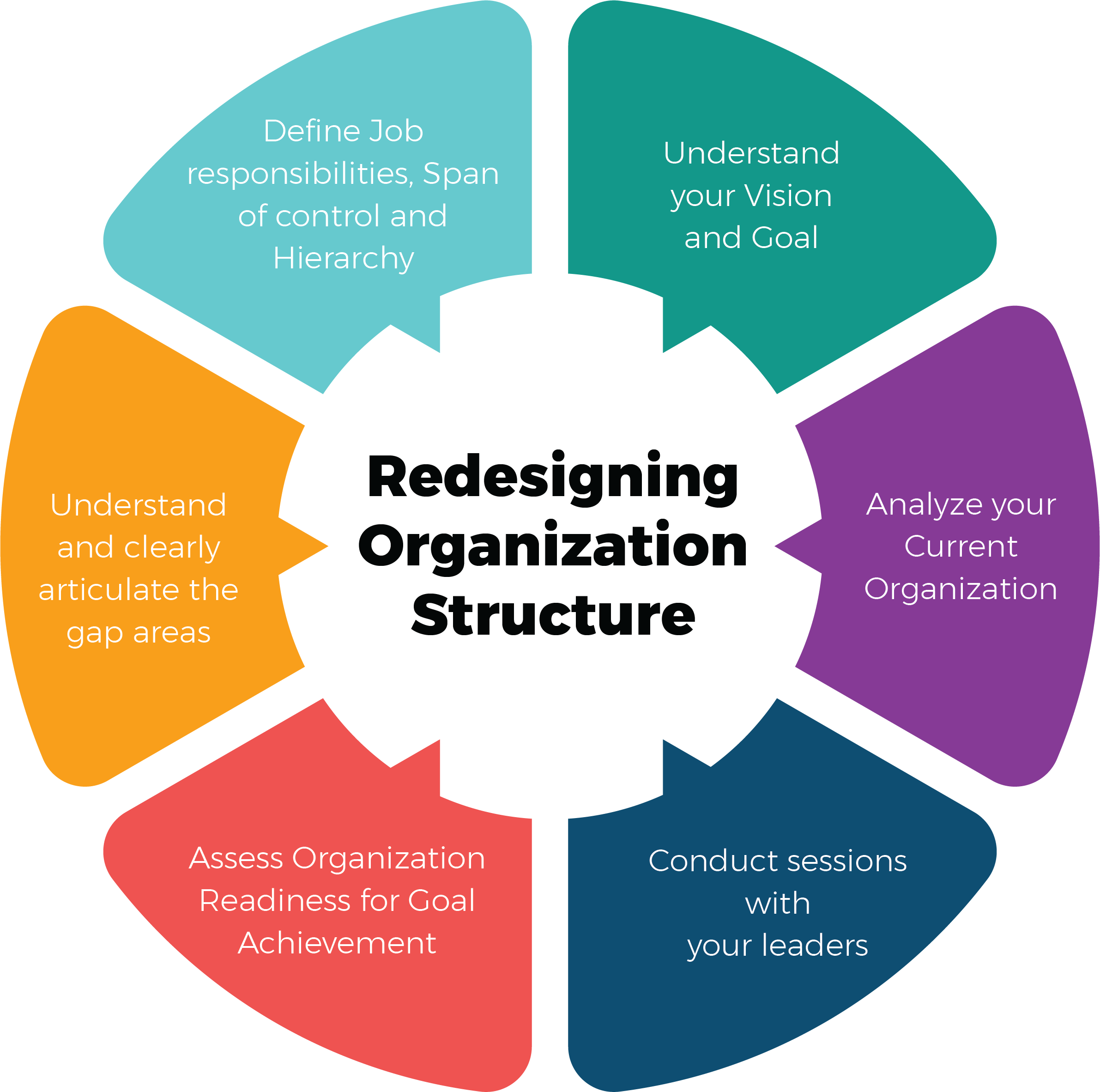 structure, developed for a different era of library work, may not adequately serve today’s rapidly changing professional landscape. The plan also advances the “Our ALA” model, indicating a more inclusive approach to organizational leadership and decision-making (1).
Leadership development receives attention through the implementation of consistent onboarding, training, and development programs for board members and staff. This focus on systematic leadership preparation reflects best practices in association management and recognizes the specialized skills required for effective library leadership.
Financial Sustainability: Ensuring Long-term Viability
Financial stability emerges as a critical concern, with the plan prioritizing the end of operating deficit spending and adherence to realistic budgeting practices as an urgent priority (1). This financial discipline reflects broader challenges facing professional associations and the need for sustainable operating models.
The plan calls for a comprehensive program review to identify opportunities for consolidation, streamlining, or elimination. This analytical approach suggests that some traditional ALA offerings no longer align with the needs or financial realities of members. Centralizing functions and operations to eliminate duplication represents another efficiency measure, while the plan also commits to redesigning or sunsetting low-performing or financially unsustainable offerings (1).
Creating a reserve fund through operating surpluses represents a forward-thinking approach to financial health, providing buffers against economic uncertainties and enabling strategic investments in mission-aligned activities.
Professional Development: Supporting Career Growth
The professional development domain addresses the evolving educational needs of library workers in an increasingly complex information environment. The plan commits to expanding meaningful engagement opportunities through virtual learning, networking, leadership pathways, mentoring, and certifications (1).
This comprehensive approach recognizes that professional development extends beyond traditional conference sessions to include ongoing support for career advancement. The emphasis on supporting library workers with varied skills acknowledges the diverse backgrounds and competencies present in today’s library workforce.
 Research and data gathering to identify educational needs represent an evidence-based approach to professional development planning. By understanding emerging and evolving trends, ALA can offer relevant and timely educational opportunities that genuinely support career growth and institutional effectiveness.
Impact on Library Operations and Services
The implementation of the strategic plan will have a powerful impact on how libraries operate and serve their communities. The enhanced advocacy framework will provide local libraries with more substantial support when facing challenges, while improved member services will better equip library professionals with the necessary skills and resources.
Organizational restructuring may streamline ALA’s numerous divisions and round tables, improving coordination and reducing duplicative efforts. Financial sustainability measures should ensure that ALA remains a viable support organization for libraries in the long term. At the same time, professional development enhancements will help library workers navigate the evolving information landscape.
The plan’s emphasis on rapid response capabilities addresses real challenges facing libraries today. As libraries encounter increasing scrutiny over intellectual freedom issues, having coordinated support from their national organization becomes crucial for maintaining community trust and continuing essential services.
Challenges and Implementation Considerations
While the strategic plan presents an ambitious vision, implementation will face significant challenges. Financial constraints may limit the pace of change, while shifts in organizational culture require time and sustained leadership commitment. The plan’s success will depend mainly on effective change management and clear communication about benefits to diverse stakeholder groups.
The emphasis on urgent priorities suggests recognition that some changes cannot wait for gradual implementation. However, balancing immediate needs with
ALA’s 2025 strategic plan represents a comprehensive response to the challenges and opportunities facing libraries in the 21st century. By addressing advocacy, member experience, organizational design, financial sustainability, and professional development simultaneously, the plan acknowledges the interconnected nature of these challenges.
Success will ultimately be measured by ALA’s ability to strengthen libraries’ capacity to serve their communities while supporting library professionals in their crucial work. As libraries continue to evolve as community anchors and information access points, this strategic plan provides a framework for ensuring they thrive in an increasingly complex world.
The plan’s implementation will require sustained commitment from ALA leadership, active engagement from members, and continued focus on the core values that make libraries essential democratic institutions. With proper execution, this strategic roadmap could significantly enhance libraries’ ability to fulfill their mission of ensuring equitable access to information for all.
Sources
- American Library Association. “ALA Strategic Plan.” ALA.org, 2025. https://www.ala.org/Strategic-Plan-2025
- American Library Association. “State of America’s Libraries: A Snapshot of 2024.” ALA.org, 2025. https://www.ala.org/news/state-americas-libraries-report-2025