
Raising Future Leaders: How to Grow Leadership in Your Child
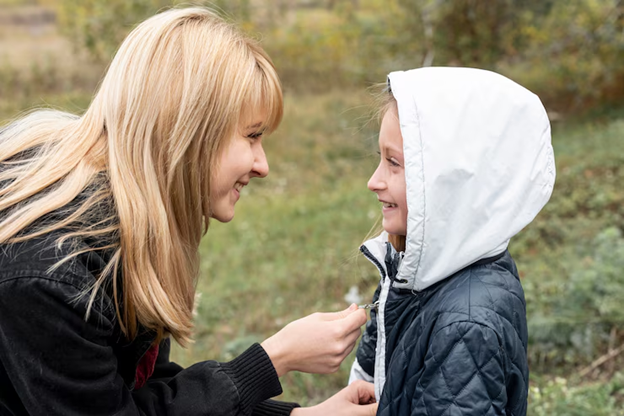
Image by Freepix
Growing Leadership in Your Child
Every parent wants their kid to grow up with a voice that carries weight, a backbone that stands upright, and a sense of direction that isn’t borrowed from someone else. Leadership isn’t just about commanding attention or organizing a group project. It’s about shaping character, navigating tough calls, and staying grounded when the winds of life start pushing back. If you’re looking to nurture leadership skills in your child without overwhelming them—or making them act like a miniature CEO—there are thoughtful, down-to-earth ways to do it.
Let Them Be the Decision-Maker Sometimes
Kids are wired to follow instructions, but if that’s all they ever do, they’ll struggle when life demands they take the lead. One of the simplest ways to plant the seed of leadership is to give your child the steering wheel now and then. Whether it’s choosing dinner one night, planning a weekend outing, or figuring out what charity to support with their birthday money, handing them the reins makes a difference. It shows that their voice counts, their choices matter, and they have what it takes to make a call and stick by it.
Teach Them How to Fail Without Falling Apart
You’ve probably heard the advice about letting kids fail, but there’s a layer most people skip: helping them see failure as feedback, not a dead-end. When a child drops the ball—maybe they bomb a presentation or forget their lines at the school play—that’s the perfect moment to teach resilience, reflection, and re-calibration. Instead of jumping in with fixes or sugarcoating the flop, sit with them, ask what they learned, and help them map a better plan for next time. This kind of grit is a hallmark of every grounded leader out there.
Lead by Doing, Not Just Talking
When your child sees you pursue your goals with intention and grit, it sends a message that no lecture ever could. Choosing to advance your career by earning an online degree shows them that growth doesn’t have an expiration date—and that leadership often means betting on yourself. If you’re earning a Master of Science in Nursing, you’re not just improving your future; you’re opening doors to roles in nurse education, informatics, administration, or advanced practice nursing. Plus, the flexibility of an online degree means you can learn while still holding down a job and showing up for your family.
Let Quiet Confidence Grow on Its Own Terms
Not every child is loud, extroverted, or naturally commanding. And that’s more than okay. Some of the strongest leaders lead with presence, not volume. If your kid leans more toward observation than overt charisma, you can still help them grow confidence by spotlighting their strengths—creativity, empathy, problem-solving—and reminding them that leadership isn’t a one-size-fits-all role. The loudest voice in the room isn’t always the wisest, and it’s good for kids to hear that early and often.
Give Them Space to Solve Real Problems
Leadership isn’t forged in sterile, structured environments. It’s born from messy, real-world problem-solving. Instead of micromanaging their school projects or stepping in when things get chaotic between friends, let them work through the tension. Encourage them to think critically, weigh options, and consider the perspectives of others before acting. That space to navigate small storms on their own terms is where the roots of practical leadership start to dig in deep.
Model Leadership Without Preaching It
Kids are always watching, whether you’re aware of it or not. They notice how you handle frustration, how you talk to the waiter who messed up your order, how you lead during a family disagreement. If you model humility, accountability, and integrity—not just in big moments but in everyday ones—they absorb that more deeply than any lecture. It’s the way you carry yourself, not the words you say, that leaves the longest-lasting impression on how they view what a leader looks like.
Encourage Independent Projects Without a Grade Attached
Most leadership curricula get tied to performance: grades, trophies, awards. But some of the best growth happens when there’s no scoreboard, just passion and perseverance. If your child wants to build a garden, start a small YouTube channel, sell homemade candles, or organize a book drive—let them. Step back, be supportive, and let them struggle and thrive at their own pace. These independent pursuits teach project management, follow-through, and ownership in ways a school rubric never could.
Talk About Ethical Gray Areas, Not Just Right and Wrong
Great leaders know the world isn’t black and white, and kids should get used to that sooner rather than later. Talk to them about real-world dilemmas—where there’s no obvious right choice—and ask what they’d do. Situations like standing up to a friend who’s being mean, or reporting cheating at school, aren’t simple. But discussing those in safe, open-ended conversations helps kids develop a strong moral compass and learn to trust their judgment when the pressure’s on.
Leadership isn’t a class you enroll your child in. It’s a daily conversation, a lifestyle, a way of being that seeps into the cracks of how they think and act. You don’t have to raise the next head of state—you just want your child to move through the world with clarity, conviction, and the courage to step forward when it counts. By letting them fail, decide, reflect, lead quietly, and wrestle with life’s messiness, you’re not pushing them toward a title. You’re giving them something far better: the tools to lead themselves and, eventually, others.
By Emma Grace Brown
Discover how LibLime is revolutionizing library management with Bibliovation, the only library services platform designed by librarians for librarians, offering seamless integration of digital and print collections.