
Balancing Autonomy and Authority: Governmental Pressures and Library Collection Development
Libraries have long served as cornerstones of democratic societies, providing equitable access to information and ideas across the political spectrum. Collection development policies—the guidelines that determine what materials libraries acquire, maintain, and remove—have traditionally been crafted by professional librarians using established selection criteria focused on community needs, intellectual merit, and balanced representation. However, these policies increasingly face governmental pressures that challenge librarians’ professional autonomy and raise fundamental questions about intellectual freedom [1].
The tension between governmental oversight and library independence is not new, but recent years have witnessed an unprecedented surge in legislative attempts to influence or dictate library collections.
Historical Context
Governmental influence on library collections has existed throughout American history. From the Comstock laws of the 1870s to the McCarthy-era blacklists of the 1950s, political forces have periodically sought to shape what materials libraries could provide [2]. The American Library Association’s (ALA) Library Bill of Rights, first adopted in 1939 and periodically updated, emerged explicitly to counter such pressures, asserting that “libraries should provide materials and information presenting all points of view on current and historical issues” [3].
Despite these professional standards, the relationship between government funding and collection autonomy has remained complex. As primarily public institutions, libraries depend on local, state, and federal government appropriations, creating an inherent tension between financial dependency and intellectual independence.
Legislative Pressures
Recent years have witnessed a dramatic escalation in governmental pressures on library collections:
State-Level Book Bans and Restrictions
Since 2021, over 23 states have introduced or passed legislation impacting library collection policies [4]. Florida’s HB 1467 (2022) requires school libraries to make all materials “available to the public for review” and creates mechanisms for faster book challenges [5]. Texas HB 900 (2023) requires vendors to rate books for “sexually explicit” content and prohibits school libraries from purchasing materials deemed inappropriate [6].
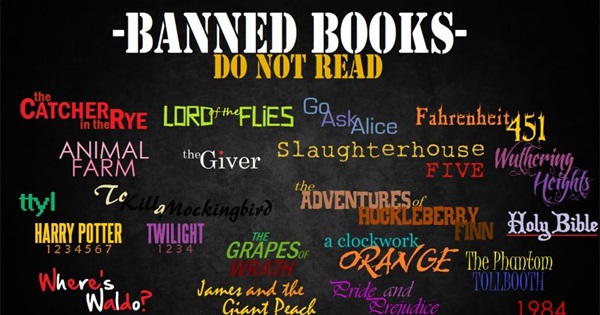 These laws frequently circumvent established professional review processes, instead empowering individual complaints to trigger removals or restrictions. The PEN America Index documented over 5,000 book removals from school and public libraries between 2021-2023, with 41% directly resulting from new legislative mandates rather than standard collection review procedures [7].
Budget-Based Pressures
Governmental entities increasingly use funding levers to influence collections. In 2023, five state legislatures considered bills reducing funding to libraries that refuse to remove or restrict specific materials [8]. At local levels, county commissioners and city councils have threatened budget cuts or complete defunding of libraries that maintain challenged materials, particularly those addressing LGBTQ+ themes or racial issues [9].
Federal Initiatives and Oversight
Federal pressures also shape collection policies. The Children’s Internet Protection Act (CIPA) requires libraries receiving certain federal funds to implement internet filtering, effectively extending collection policies to digital resources [10]. Federal grant programs can similarly influence acquisition priorities, steering collections toward government-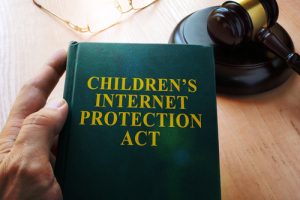 favored subject areas.
Impact
These governmental pressures have substantially altered how libraries approach collection development:
Self-Censorship
Research by the ALA Office for Intellectual Freedom indicates a troubling rise in “quiet censorship”—librarians preemptively avoiding potentially controversial acquisitions to prevent challenges [11]. A recent survey found that most responding librarians reported some degree of self-censorship in purchasing decisions, specifically due to anticipated governmental or political pressure [12].
Resource Reallocation
Responding to legislative prerequisites gobbles considerable library resources. It becomes necessary to Reallocate staff time from regular collection development to reviewing challenged materials, documenting collection justifications, and implementing new legislatively mandated review procedures [13].
Professional Expertise Ignored
Traditional collection development relies on librarians’ professional judgment, subject expertise, and understanding of community needs. Legislative mandates often replace these nuanced professional standards with simplified, politically determined criteria that may not reflect library science best practices [14].
Reactions from Library Professionals and Organizations
The library community has responded to these pressures through multiple channels:
Legal Challenges
Organizations like the Freedom to Read Foundation have initiated litigation against the most restrictive legislation. In 2023, federal courts temporarily blocked the implementation of book restriction laws in Arkansas and Texas based on First Amendment concerns [15]..jpg)
 Advocacy and Coalition Building
The ALA’s Unite Against Book Bans campaign has mobilized public support for collection autonomy, partnering with over 200 organizations across the political spectrum [16]. Local advocacy has proven effective in some communities, with citizens organizing to defend library budgets and policies against governmental intervention.
Policy Development and Documentation
Libraries have strengthened their collection development policies, ensuring they contain clear, defensible selection criteria and challenge procedures based on professional standards rather than political considerations [17]. Thorough documentation of selection rationales provides a stronger foundation when collections face scrutiny.
Finding Balance
While governmental control of library collections threatens intellectual freedom, the complete absence of public oversight is neither realistic nor desirable in taxpayer-funded institutions. Several models offer more balanced approaches:
Advisory Rather Than Prescriptive Input
 Some localities have established library advisory boards with diverse community representation that provide input on collection priorities without dictating specific exclusions [18].
Transparent Professional Standards
Libraries that clearly communicate their collection development criteria and regularly report on acquisition patterns maintain public trust while preserving professional autonomy [19].
Focus on Access Rather Than Restriction
Policies addressing concerns about sensitive materials through age-appropriate access arrangements rather than complete removal respect parental rights and broader community needs [20].
The fundamental question underlying governmental pressures on library collection development is who should determine what materials are available to communities—elected officials, vocal advocacy groups, individual complainants, or professional librarians. The American library tradition has historically balanced governmental funding with professional autonomy, creating collections that serve diverse community needs without partisan bias.
As pressures intensify, libraries face the challenge of maintaining this balance—being responsive to legitimate community concerns while defending the principles of intellectual freedom that define their institutional mission. Finding this equilibrium requires ongoing dialogue between library professionals, governing bodies, and the communities they serve, guided by a shared commitment to democratic values and informed citizenship.
References
- American Library Association. (2023). “State of America’s Libraries Report 2023.” https://www.ala.org/news/state-americas-libraries-report-2023
- Pagliaroli, M. (n.d.). Censorship Throughout the Centuries: A timeline of US book bans and the fight for intellectual freedom | Federation of Ontario Public Libraries. https://fopl.ca/news/censorship-throughout-the-centuries-a-timeline-of-us-book-bans-and-the-fight-for-intellectual-freedom/
- American Library Association. (2019). “Library Bill of Rights.” https://www.ala.org/advocacy/intfreedom/librarybill
- PEN America. (2024). “Index of School Book Bans.” https://pen.org/report/banned-in-the-usa/
- Florida Legislature. (2022). “HB 1467: K-12 Education.” https://www.flsenate.gov/Session/Bill/2022/1467
- Texas Legislature. (2023). “HB 900: The READER Act.” https://capitol.texas.gov/BillLookup/History.aspx?LegSess=88R&Bill=HB900
- PEN America. (2023). “Banned in the USA: The Growing Movement to Censor Books in Schools.”https://pen.org/report/banned-usa-growing-movement-to-censor-books-in-schools/
- New report: Wins, warnings, and ongoing legislative fights for libraries in 2024 – EveryLibrary. (n.d.). EveryLibrary. https://www.everylibrary.org/wins_warnings_ongoing_legislative_fights_2024
- Chrastka, J. (2024). Public libraries at the intersection of the First, tenth, and Fourteenth Amendments. Katina : https://doi.org/10.1146/katina-110524-1
- Federal Communications Commission. (2023). “Children’s Internet Protection Act (CIPA).” https://www.fcc.gov/consumers/guides/childrens-internet-protection-act
- American Library Association. (2023). “Censorship by the Numbers.”https://www.ala.org/bbooks/censorship-numbers
- Library Journal. (2023). “Collection Development Survey 2023.” https://www.libraryjournal.com/collection-development-survey-2023
- Commsintern. (2024, November 27). The Hidden Cost of defending books: Freedom to Read Advocates speak out. PEN America. https://pen.org/the-hidden-cost-of-defending-books-freedom-to-read-advocates-speak-out/
- Garnar, M. & Magi, T. (2024). “Intellectual Freedom Manual, 10th Edition.” ALA Editions. https://alastore.ala.org/IFM10EB
- Litigation & the Courts – Freedom to Read Foundation. (n.d.). https://www.ftrf.org/page/Litigation?&hhsearchterms=%22texas+and+arkansas%22
- Unite Against Book Bans. (2024). “About the Campaign.” https://uniteagainstbookbans.org/about/
- LibGuides: Collection Development: What to include in the policy. (n.d.). https://wvlcguides.org/c.php?g=780693&p=5597195
- American Library Association. (n.d.). An updated, top-to-bottom guide to collection development and management. https://www.ala.org/news/2025/03/updated-top-bottom-guide-collection-development-and-management
- Ashikuzzaman, M. (2025, March 14). Collection Development Policy of a library. Library & Information Science Education Network. https://www.lisedunetwork.com/collection-development-policy-of-library/
- International Federation of Library Associations. (2022). “IFLA Statement on Libraries and Intellectual Freedom.”https://repository.ifla.org/items/72090712-b389-450b-94df-e05fd6c582d4