
HRIS Systems for Libraries: Managing Staff Efficiently
In the ever-evolving landscape of library management, Human Resource Information Systems (HRIS) have become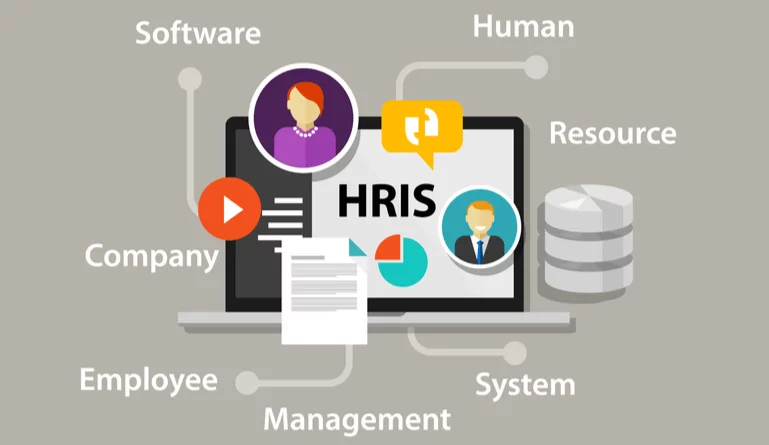 indispensable tools for managing staff. Whether public, academic, or special, libraries face unique challenges in workforce management. Let’s review HRIS options suitable for libraries, highlighting their features, benefits, and considerations.
Understanding HRIS in the Library Context
Before diving into specific systems, it’s crucial to understand why HRIS is particularly important for libraries. Libraries often operate with diverse staff, including full-time librarians, part-time assistants, volunteers, and sometimes student workers. They need systems that can handle the following:
- Complex scheduling, including evening and weekend shifts
- Tracking of specialized skills and certifications
- Management of both paid staff and volunteers
- Integration with existing library management systems
- Budget-friendly solutions, given the often limited resources of libraries
Top HRIS Options for Libraries
LibraryHR
LibraryHR is a specialized HRIS explicitly designed for libraries. 
Key Features:
– Strategic Advisement
– Organizational Assessments
– Engagement Surveys
– Executive Searches
– Project Management
– Systems Enablement
– Workshops and Events
– Leadership Development
– Success Coaching
Cost Considerations:
While not the cheapest option, LibraryHR’s specialization often makes it cost-effective in the long run due to the reduced need for customization.
Why It’s Helpful:
LibraryHR’s library-specific features mean less time adapting a general HRIS to library needs. Its varied capabilities can streamline overall library operations.
BambooHR
While not library-specific, BambooHR is known for its user-friendly interface and comprehensive features.
Key Features:
– Intuitive employee database
– Time-off tracking and management
– Customizable onboarding workflows
– Robust reporting and analytics
Cost Considerations:
BambooHR offers tiered pricing based on features and the number of employees, making it scalable for different library sizes.
Why It’s Helpful:
Its ease of use makes it accessible for library staff who may not be HR specialists. The customizable workflows can be adjusted to unique library processes.
ADP Workforce Now
As a well-established HR management name, its Workforce Now platform offers comprehensive features suitable for medium to extensive libraries.
Key Features:
– Payroll integration
– Talent management tools
– Compliance management
– Benefits administration
Cost Considerations:
Generally more expensive than some alternatives, it offers a comprehensive suite of tools that can replace multiple separate systems.
Why It’s Helpful:
For larger library systems or those part of broader institutions (like universities), ADP’s robust features and scalability can be particularly beneficial.
Zenefits
This modern, cloud-based HRIS solution appeals to libraries looking for an all-in-one platform.
Key Features:
– Employee self-service portal
– Time and attendance tracking
– Performance management tools
– Mobile app for on-the-go access
Cost Considerations: Zenefits offers transparent, per-employee pricing, which can benefit libraries with fluctuating staff numbers.
Why It’s Helpful: The self-service portal can reduce the administrative burden on library management, while the mobile app supports staff who may work across multiple library branches.
Namely
It is known for its strong performance management and employee engagement features, which can be helpful in the collaborative environment of libraries.
Key Features:
– Customizable performance review cycles
– Employee recognition tools
– Robust reporting and analytics
– Integrated payroll system
Cost Considerations:
It can be more expensive than some alternatives but offers a comprehensive suite of features that may reduce the need for multiple systems.
Why It’s Helpful:
Its strong focus on employee engagement can help libraries foster a positive work culture and retain valuable staff members.
Integration Capabilities
When considering HRIS for libraries, integration capabilities are crucial. Libraries often use specialized software for cataloging, circulation, and patron management. An HRIS that can integrate with these systems can significantly  streamline operations.
For instance, LibraryHR’s ability to integrate with Library Management Systems means that staff schedules can be aligned with library operating hours and expected busy periods based on circulation data. Similarly, BambooHR and ADP offer APIs that allow for custom integrations with other software systems libraries might use.
Zenefits and Namely, while not offering library-specific integrations out of the box, have open APIs that tech-savvy libraries or their IT departments can use to create custom integrations.
Specific Features Relevant to Library Staff Management
- Shift Scheduling: Libraries often have complex operating hours, including evenings, weekends, and sometimes 24/7 during exam periods for academic libraries. An HRIS with robust scheduling features, like those found in LibraryHR or ADP Workforce Now, can be invaluable.
- Skills and Certification Tracking: Librarians often have specialized skills or certifications that must be tracked for
scheduling and professional development purposes. Systems like LibraryHR and BambooHR excel in this area.
- Volunteer Management: Many libraries rely heavily on volunteers. An HRIS that can manage paid staff and volunteers, like LibraryHR, can be particularly useful.
- Multi-Location Management: Features supporting multi-location management (in systems like ADP and Zenefits) are crucial for library systems with multiple branches.
- Professional Development Tracking: Continuing education is essential in the library field. Systems with solid learning management features, like Namely or BambooHR, can help track and encourage professional development.
Cost Considerations for Libraries
Libraries often operate on tight budgets, making cost a crucial factor in HRIS selection. Here are some considerations:
- Scalability: Systems like BambooHR and Zenefits offer pricing that scales with the number of employees, which can benefit smaller libraries or those with seasonal staffing fluctuations.
- All-in-One vs. Modular: While all-in-one systems like ADP Workforce Now may seem expensive upfront, they can be
cost-effective by replacing multiple separate systems.
- Implementation and Training Costs: Consider not just the software cost but also implementation and training expenses. Library-specific systems like LibraryHR may have lower training costs due to their tailored nature.
- Return on Investment: Consider how the HRIS can save time and improve efficiency. For example, employee self-service portals can significantly reduce administrative workload.
Selecting the right HRIS for a library requires careful consideration of the library’s specific needs, budget, and existing technological ecosystem. While library-specific solutions like LibraryHR offer tailored features, general HRIS platforms like BambooHR, ADP Workforce Now, Zenefits, and Namely can adapt to libraries.
Key factors to consider include:
– The size and complexity of the library or library system
– The need for integration with existing library management software
– The balance between comprehensive features and ease of use
– Budget constraints and potential return on investment
Ultimately, the right HRIS can significantly improve staff management, enhance operational efficiency, and allow library professionals to focus more on their regular work and less on administrative HR tasks.