Down’s Syndrome Awareness Month and Libraries: A History of Support and Inclusion
 Down’s Syndrome Awareness Month, observed annually in October, has become a pivotal time for promoting understanding, acceptance, and inclusion of individuals with Down’s syndrome. Let’s look at this awareness month’s history and highlight libraries’ crucial role in supporting individuals with this genetic condition.
The Origins of Down’s Syndrome Awareness Month
Down’s syndrome, first described with a poorly titled article by English physician John Langdon Down’s in 1866, is a genetic disorder caused by the presence of all or part of a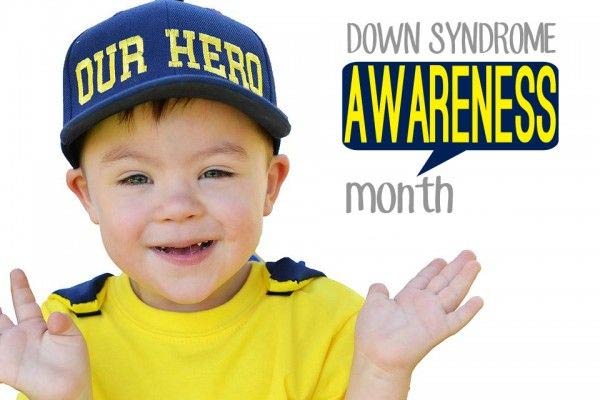 third copy of chromosome 21 [1]. In the latter half of the 20th century, however, concerted efforts to raise awareness and promote inclusion began to take shape.
The roots of Down’s Syndrome Awareness Month can be traced back to the 1970s and 1980s when parent advocacy groups and medical professionals started pushing for greater recognition and understanding of Down’s syndrome [2]. The National Down’s Syndrome Society (NDSS), founded in 1979, played a crucial role in establishing October as the official awareness month [3].
1984, President Ronald Reagan officially declared October National Down’s Syndrome Awareness Month, marking a significant milestone in recognizing this genetic condition nationally [4]. This proclamation helped to catalyze efforts to educate the public, promote research, and advocate for the rights and inclusion of individuals with Down’s syndrome.
Evolution of Down’s Syndrome Awareness Month
Since its inception, Down’s Syndrome Awareness Month has evolved significantly. What  began as a primarily educational initiative has become a multifaceted campaign encompassing advocacy, celebration, and community building.
Pivotal developments include:
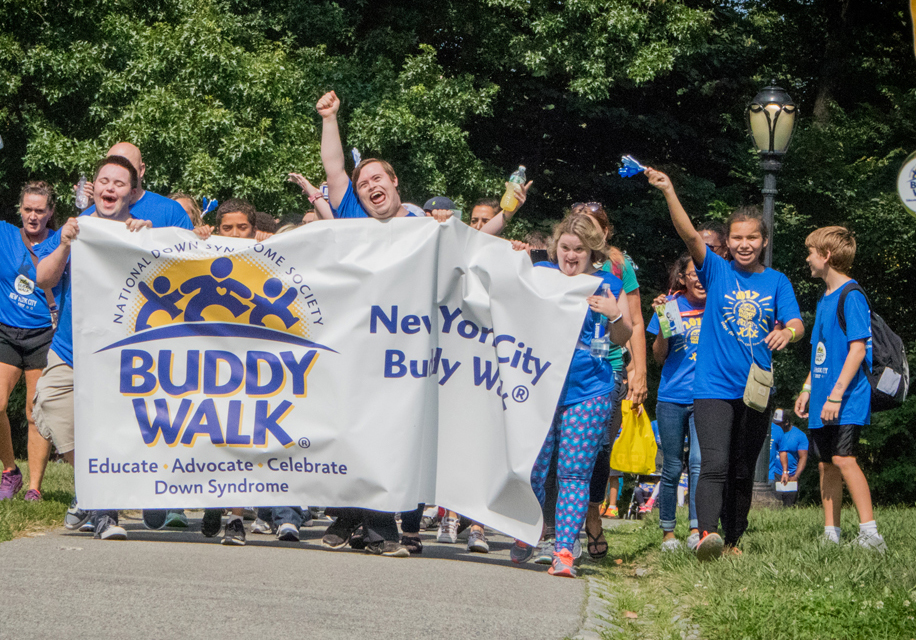
- The NDSS introduced the Buddy Walk® program in 1995, which became a cornerstone event during the awareness month [5].
- The establishment of World Down’s Syndrome Day on March 21st (symbolizing the triplication of the 21st chromosome) by Down’s Syndrome International in 2006 complements the October awareness month [6].
- Increased focus on promoting inclusive education and employment opportunities for individuals with Down’s syndrome [7].
- Growing emphasis on self-advocacy, with individuals with Down’s syndrome taking active roles in awareness campaigns and policy discussions [8].
Libraries: Pillars of Support and Inclusion
Public libraries have long been at the forefront of providing accessible and inclusive  services to all community members, including those with Down’s syndrome. As awareness of Down’s syndrome has grown, so too has the role of libraries in supporting individuals with this condition and their families.
Adaptive Technologies and Resources
Libraries have provided access to adaptive technologies that can significantly enhance the learning and communication abilities of individuals with Down’s syndrome. These may include:
– Touch screen computers with specialized software
– Text-to-speech and speech-to-text programs
– Adjustable workstations to accommodate different physical needs [9]
Many libraries also maintain collections of books, audiobooks, and other materials specifically designed for individuals with cognitive disabilities, including those with Down’s syndrome [10].
Inclusive Programming
Libraries nationwide have developed inclusive programming that caters to the needs and interests of individuals with Down’s syndrome. These programs often focus on:
– Literacy skills development
– Social interaction and community building
– Creative expression through art, music, and storytelling [11]
For example, the Brooklyn Public Library’s Child’s Place program offers specialized services for children with disabilities, including those with Down’s syndrome, promoting inclusive learning experiences [12].
Family Support and Education
Libraries serve as valuable resources for families of individuals with Down’s syndrome. Many offer:
– Parenting workshops and support groups
– Access to medical and educational literature about Down’s syndrome
– Information about local support services and advocacy groups [13]
The Denver Public Library, for instance, hosts regular events in partnership with the Rocky Mountain Down’s Syndrome Association, providing a platform for community engagement and support [14].
Employment Opportunities
Some libraries have taken steps to create employment opportunities for individuals with Down’s syndrome. These initiatives not only provide valuable work experience but also _5.png) help to promote inclusivity and diversity in the workplace [15].
help to promote inclusivity and diversity in the workplace [15].
The Nashville Public Library’s Next Chapter program is an excellent example, offering a nine-month internship for young adults with disabilities, including those with Down’s syndrome, to gain work experience in a library setting [16].
Challenges and Future Directions
Despite significant progress, challenges remain in fully integrating individuals with Down’s syndrome into library services and the broader community. These include:
- Ensuring consistent funding for specialized programs and technologies
- Addressing misconceptions and stigma that may still exist
- Providing adequate training for library staff to support patrons with Down’s syndrome [17] effectively
There are several promising directions for libraries to further support Down’s Syndrome Awareness Month and individuals with this condition:
- Expanding virtual and remote services to reach more individuals, especially in underserved areas
- Incorporating more assistive technologies as they become available
- Increasing collaboration with Down’s syndrome advocacy groups and medical professionals to enhance services
- Promoting more leadership roles for individuals with Down’s syndrome within library organizations [18]
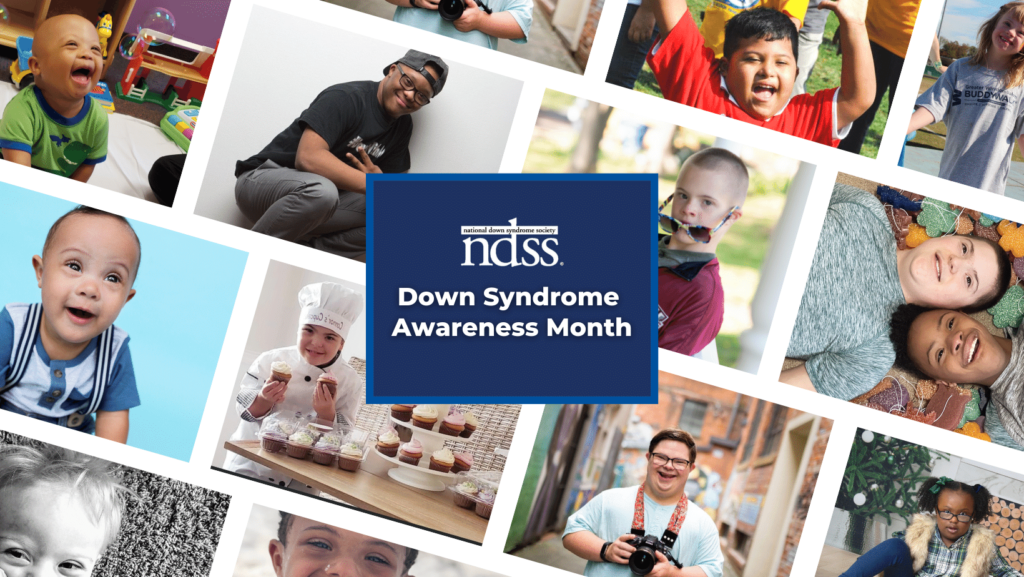
Down’s Syndrome Awareness Month has come a long way since its inception, evolving from a simple educational initiative to a comprehensive campaign for inclusion, understanding, and celebration. Libraries have played and continue to play a crucial role in this journey, serving as beacons of support, education, and community for individuals with Down’s syndrome and their families.
As we progress, the continued collaboration between libraries, advocacy groups, and the Down syndrome community will be essential in creating a more inclusive society. By leveraging their unique position as community hubs, libraries can continue to promote awareness, provide support, and foster inclusion for individuals with Down’s syndrome.
References
- Down, J. L. H. (1971). Observations On An Ethnic Classification Of Idiots. Archives of Neurology, 25(1), 89–90. https://doi.org/10.1001/archneur.1971.00490010099014
- About Down syndrome. (n.d.). National Down Syndrome Society (NDSS). https://ndss.org/about
- National Down Syndrome Society (NDSS). (n.d.). https://ndss.org/
- Bill signing ceremony for “National Downs Syndrome Month.” Oval Office. (n.d.). Ronald Reagan. https://www.reaganlibrary.gov/archives/video/bill-signing-ceremony-national-downs-syndrome-month-oval-office
- National Down’s Syndrome Society. (2021). Buddy Walk®. Retrieved from https://www.ndss.org/buddy-walk/
- World Down Syndrome Day – Down Syndrome International. (n.d.). https://ds-int.org/world-down-syndrome-day/
- MyDisabilityJobs. (2024, January 9). Intellectual Disability Employment Statistics | Update 2024. MyDisabilityJobs.com. https://mydisabilityjobs.com/statistics/intellectual-disability-employment/
- Chambers, A.W. (2024). Empowering Voices: An Overview of Self-Advocacy. In: Bennett, G., Goodall, E. (eds) The Palgrave Encyclopedia of Disability. Palgrave Macmillan, Cham. https://doi.org/10.1007/978-3-031-40858-8_27-1
- Broderick, A., Mehta-Parekh, H., & Reid, D. K. (2005). Differentiating Instruction for Disabled Students in Inclusive Classrooms. Theory Into Practice, 44(3), 194–202. https://doi.org/10.1207/s15430421tip4403_3
- Kaeding, J., Velasquez, D. L., & Price, D. (2017). Public Libraries and Access for Children with Disabilities and Their Families: A Proposed Inclusive Library Model. Journal of the Australian Library and Information Association, 66(2), 96–115. https://doi.org/10.1080/24750158.2017.1298399
- Prendergast, T. (2016). Seeking Early Literacy for All: An Investigation of Children’s Librarians and Parents of Young Children with Disabilities’ Experiences at the Public Library. https://www.semanticscholar.org/paper/Seeking-Early-Literacy-for-All%3A-An-Investigation-of-Prendergast/2ef3419ef753955ddd13e56b4cd4fb568ff0718c
- Inclusive Services | Brooklyn Public Library. (n.d.). https://www.bklynlibrary.org/inclusive-services
- Rankin, C. (2016). Library services for the Early Years: policy, practice, and the Politics of the age. Library Trends, 65(1), 5–18. https://doi.org/10.1353/lib.2016.0022
- Denver Public Library. (2021). Events Calendar. Retrieved from https://www.denverlibrary.org/events
- Lysaght, R., Ouellette-Kuntz, H., & Lin, C. J. (2012). Untapped potential: perspectives on the employment of people with intellectual disability. Work (Reading, Mass.), 41(4), 409–422. https://doi.org/10.3233/WOR-2012-1318
- Nashville Public Library. (2021). Next Chapter. Retrieved from https://library.nashville.org/next-chapter
- Adkins, D., & Bushman, B. (2015). A Special Needs Approach: A Study of How Libraries Can Start Programs for Children with Disabilities. Children and Libraries, 13(3), 28. https://doi.org/10.5860/cal.13n3.28
- Jaeger, P.T., Wentz, B. and Bertot, J.C. (2015), “Accessibility, Inclusion, and the Roles of Libraries,” Accessibility for Persons with Disabilities and the Inclusive Future of Libraries (Advances in Librarianship, Vol. 40), Emerald Group Publishing Limited, Leeds, pp. 1-8. https://doi.org/10.1108/S0065-283020150000040008