
Navigating Uncomfortable Conversations: A Guide for Librarians
In the ever-evolving public service landscape, librarians often find themselves at the forefront of challenging interactions. They encounter diverse patrons as guardians of knowledge and community spaces, each bringing unique perspectives, needs, and sometimes challenging behaviors. Let’s review librarians’ conversations and provide strategies for handling these situations professionally and gracefully.
The Nature of Uncomfortable Conversations
Librarians are exposed to a wide range of patron interactions by the nature of their profession. While many of these are positive, some can be challenging and confrontational. These uncomfortable conversations can stem from various sources, including:
- Controversial materials in the collection
- Censorship attempts
- Privacy concerns
- Behavioral issues
- Political disagreements
- Misunderstandings about library policies
A survey by the American Library Association (ALA) found that 71% of librarians had faced some form of confrontation or uncomfortable conversation with patrons in the past year [1]. These encounters can be stressful and potentially disruptive to the library environment if not handled appropriately.
Common Scenarios and Strategies
- Challenges to Materials
One of the most frequent sources of tension in libraries is the presence of controversial materials. Patrons may object to books, magazines, or digital resources they find offensive or inappropriate. A study by the Office for Intellectual Freedom reported that 48% of book challenges in public libraries were initiated by patrons [2].
“Strategy:” When faced with a challenge to materials, librarians should:
– Listen actively to the patron’s concerns without judgment
– Explain the library’s collection development policy and commitment to intellectual freedom
– Offer the patron the opportunity to file a formal request for reconsideration
– Provide alternative materials that may better suit the patron’s needs
- Privacy and Confidentiality Issues
In an age of increasing digital surveillance, patrons may be concerned about their library privacy. A  Pew Research Center study found that 57% of Americans are concerned about the government monitoring their online activities [3].
“Strategy:” To address privacy concerns:
– Reassure patrons about the library’s commitment to protecting their privacy
– Explain the measures in place to safeguard personal information
– Offer resources on digital privacy and security
– Be transparent about any data collection practices and their purposes
- Behavioral Problems
Disruptive behavior can create uncomfortable situations for both librarians and other patrons. A survey of public librarians revealed that 85% had dealt with patron behavioral issues in the past month [4].
“Strategy:” When addressing behavioral problems:
– Approach the situation calmly and respectfully
– Communicate the library’s behavior policy
– Offer alternatives or compromises when possible
– Be prepared to involve security or law enforcement if the situation escalates
- Political and Ideological Disagreements
In an increasingly polarized society, libraries can become battlegrounds for political and ideological conflicts. A study by the Pew Research Center found that 64% of Americans believe libraries should offer a neutral space for discussing community issues [5].
“Strategy:” When navigating political discussions:
– Maintain a neutral stance
– Emphasize the library’s role as a provider of diverse information
– Encourage respectful dialogue and the exploration of multiple perspectives
– Redirect conversations to focus on information-seeking rather than debate
Developing Essential Skills for Difficult Conversations
To effectively manage uncomfortable conversations, librarians must cultivate a set of essential skills:
- Active Listening
Active listening involves fully concentrating on, understanding, and responding to the speaker. A study in the Journal of Librarianship and Information Science found that librarians who practiced active listening reported a 40% increase in positive patron interactions [6].
To improve active listening:
– Give the patron your full attention
– Use nonverbal cues to show engagement
– Paraphrase and summarize to ensure understanding
– Ask clarifying questions
- Emotional Intelligence
Emotional intelligence (EI) is crucial for managing tense situations. Librarians with high EI are better equipped to handle their emotions and respond effectively to others’ feelings. Research has shown that individuals with high EI are 58% more likely to defuse confrontational situations successfully [7].
To enhance emotional intelligence:
– Practice self-awareness
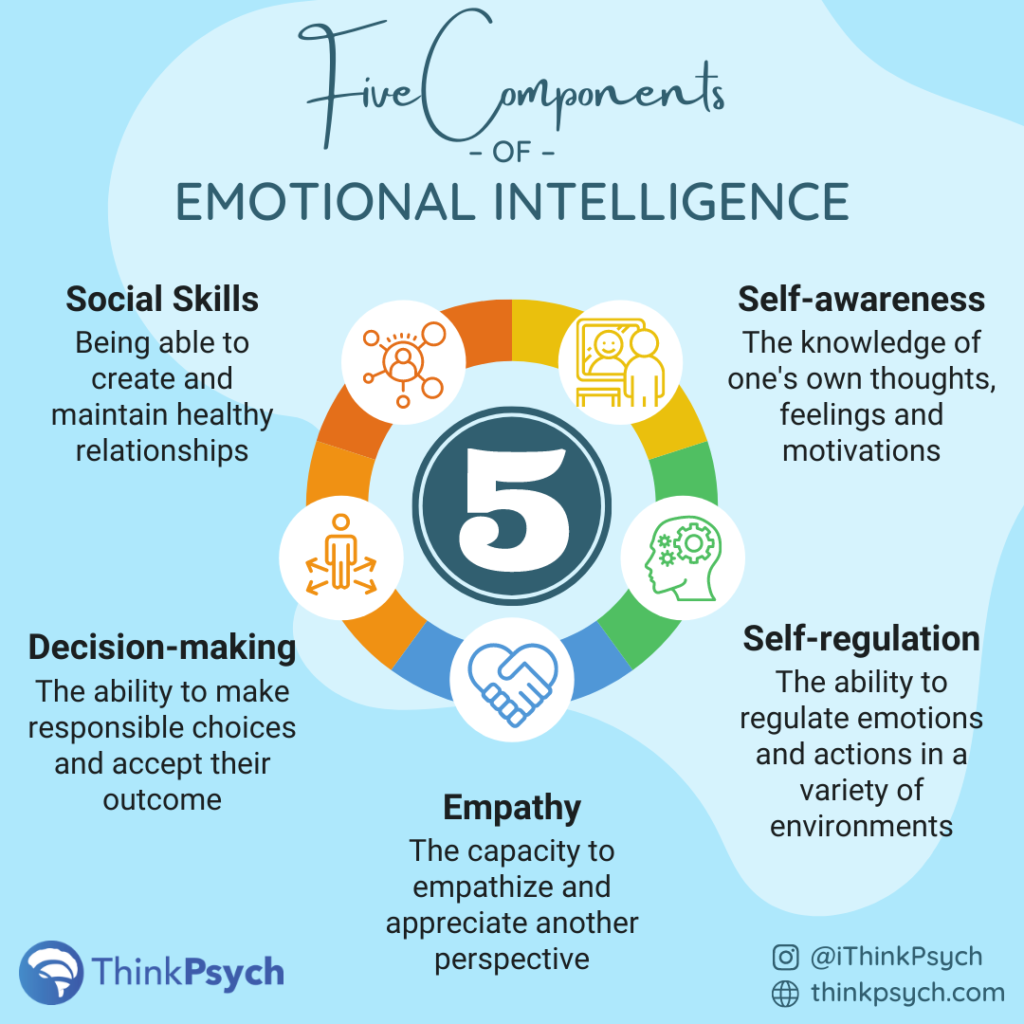 – Develop empathy for patrons’ perspectives
– Learn to regulate your emotional responses
– Use positive language and tone
- De-escalation Techniques
De-escalation is a vital skill for managing potentially volatile situations. A study of conflict resolution in public libraries found that librarians trained in de-escalation techniques reported a 65% reduction in escalated confrontations [8].
Effective de-escalation strategies include:
– Remaining calm and composed
– Using a low, steady voice
– Giving the patron space
– Offering choices and solutions
– Avoiding argumentative language
- Cultural Competence
In diverse communities, cultural competence is essential for navigating sensitive conversations. The ALA emphasizes the importance of cultural competence in its Core Values of Librarianship [9].
To improve cultural competence:
– Educate yourself about different cultures and perspectives
– Be aware of your own biases and assumptions
– Use inclusive language
– Seek feedback from diverse patrons and colleagues
Institutional Support and Policies
While individual skills are crucial, institutional support is vital in managing uncomfortable conversations. Libraries should:
- Develop clear policies: Establish and communicate policies regarding behavior, material selection, and patron rights.
- Provide training: Offer regular training sessions on conflict resolution, de-escalation, and cultural competence. Libraries implementing comprehensive staff training programs report a 30% decrease in patron complaints [10].
- Create support systems: Establish protocols for when and how to involve supervisors or security under challenging situations.
- Foster a culture of openness: Encourage staff to discuss challenging interactions and share strategies for improvement.
- Conduct regular policy reviews: Continuously evaluate and update policies to meet the community’s evolving needs.
Navigating uncomfortable conversations is an inevitable part of a librarian’s role. By developing essential skills, implementing effective strategies, and fostering a supportive institutional environment, librarians can transform these challenging moments into growth, understanding, and community-building opportunities.
As guardians of intellectual freedom and public spaces, librarians play a crucial role in facilitating dialogue and promoting understanding in their communities. By approaching uncomfortable conversations with empathy, professionalism, and a commitment to service, librarians can continue to uphold the core values of their profession while creating welcoming spaces for all patrons.
Sources
- American Library Association. (n.d.). PLA seeks responses to 2024 Public Library Staff Survey. https://www.ala.org/news/2024/10/pla-seeks-responses-2024-public-library-staff-survey
- American Library Association. (n.d.). American Library Association reveals preliminary data on 2024 book challenges. https://www.ala.org/news/2024/09/american-library-association-reveals-preliminary-data-2024-book-challenges
- Atske, S., & Atske, S. (2024, August 12). How Americans view data privacy. Pew Research Center. https://www.pewresearch.org/internet/2023/10/18/how-americans-view-data-privacy/
- American Library Association. (n.d.). PLA surveys and data. https://www.ala.org/pla/data/plasurveys
- Author, N., & Author, N. (2024, April 14). How Americans value public libraries in their communities. Pew Research Center. https://www.pewresearch.org/internet/2013/12/11/libraries-in-communities/
- Here’s how you can address patron concerns and complaints using active listening skills. (n.d.). https://www.linkedin.com/advice/3/heres-how-you-can-address-patron-concerns-complaints-uke3c
- Seppälä, E. (2024, June 26). Three exercises to boost your emotional intelligence, according to research. Harvard Business Review. https://hbr.org/2024/06/3-exercises-to-boost-your-emotional-intelligence-according-to-research
- Santiago, V. S. (2023, December 4). Three Ways to Deal with Upset Library Patrons Constructively. https://www.libraryscienceandculture.com/2023/12/three-ways-to-deal-with-upset-library.html
- American Library Association. (n.d.). Core values of librarianship. https://www.ala.org/advocacy/advocacy/intfreedom/corevalues
- Lockhart, J., Majal, S., & Cape Peninsula University of Technology. (2012). The effect of library staff training and development on the user experience: a case study at the Cape Peninsula University of Technology (CPUT). In Purdue University & Purdue e-Pubs, Proceedings of the IATUL Conferences [Journal-article]. https://docs.lib.purdue.edu/iatul/2012/papers/44