Top 5 Books on Mental Health You Should Read
Mental health literacy has never been more important. With depression and anxiety affecting hundreds of millions globally, books have become a powerful tool for understanding, healing, and advocacy. Whether you are navigating your own struggles or supporting someone else, the right book can be transformative. Here are five essential reads spanning trauma, anxiety, depression, and the mental health of the next generation.
1. The Body Keeps the Score — Bessel van der Kolk (2014)
Few books have reshaped the public’s understanding of trauma as profoundly as this one. Written by psychiatrist Bessel van der Kolk, who has spent over three decades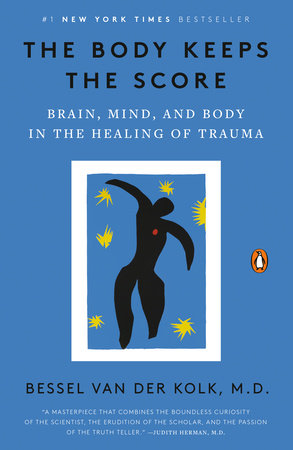
2. The Anxious Generation — Jonathan Haidt (2024)
Jonathan Haidt’s 2024 blockbuster quickly became one of the most-discussed books on youth mental health in years. A social psychology professor at New York University, Haidt argues that the mass adoption of smartphones and social media by Generation Z — those born after 1995 —  fundamentally derailed healthy adolescent development [3]. He documents a global surge in depression, anxiety, self-harm, and suicide that began in the early 2010s, noting that young adolescent girls in the United States reported a 45% or greater increase in major depressive episodes since 2012 [3]. The book won the Goodreads Choice Award for Nonfiction in 2024 and spent 52 consecutive weeks on the New York Times nonfiction bestseller list as of April 2025 [4]. While some researchers dispute the strength of the causal evidence linking social media directly to mental illness, the book’s call for structural reform of children’s digital lives has gained widespread institutional support [4].
3. Lost Connections — Johann Hari (2018)
Award-winning journalist Johann Hari traveled 40,000 miles to interview the world’s leading experts on depression and anxiety, producing a book that challenges the dominant chemical-imbalance narrative of mental illness [5]. Rather than attributing depression primarily to biology, Hari identifies nine social and psychological causes — including disconnection from meaningful work, from other people, and from a secure future — and argues that our treatments have followed the wrong map [5]. The book was praised by Library Journal with a starred review for its powerful argument against purely pharmacological approaches [5]. It is essential reading for anyone who has ever wondered why antidepressants didn’t fully resolve their suffering.
4. Maybe You Should Talk to Someone — Lori Gottlieb (2019)
Therapist and Atlantic contributing editor Lori Gottlieb offers something rare: an honest, witty, and deeply human account of what therapy actually looks like — from both sides of the couch. After a sudden personal crisis, Gottlieb herself enters therapy, and the book alternates between her sessions with her own therapist and her work with four of her own patients. Widely recommended by mental health counselors to their clients, the book demystifies the therapeutic process while tackling grief, loneliness, regret, and meaning-making [6]. It was a New York Times bestseller and has been adapted into a television series, demonstrating its broad cultural resonance.
5. Ten Times Calmer — Dr. Kirren Schnack (2024)
For readers seeking a practical, evidence-based toolkit for anxiety, Oxford-trained NHS clinical psychologist Dr. Kirren Schnack delivers exactly that. Drawing on two decades 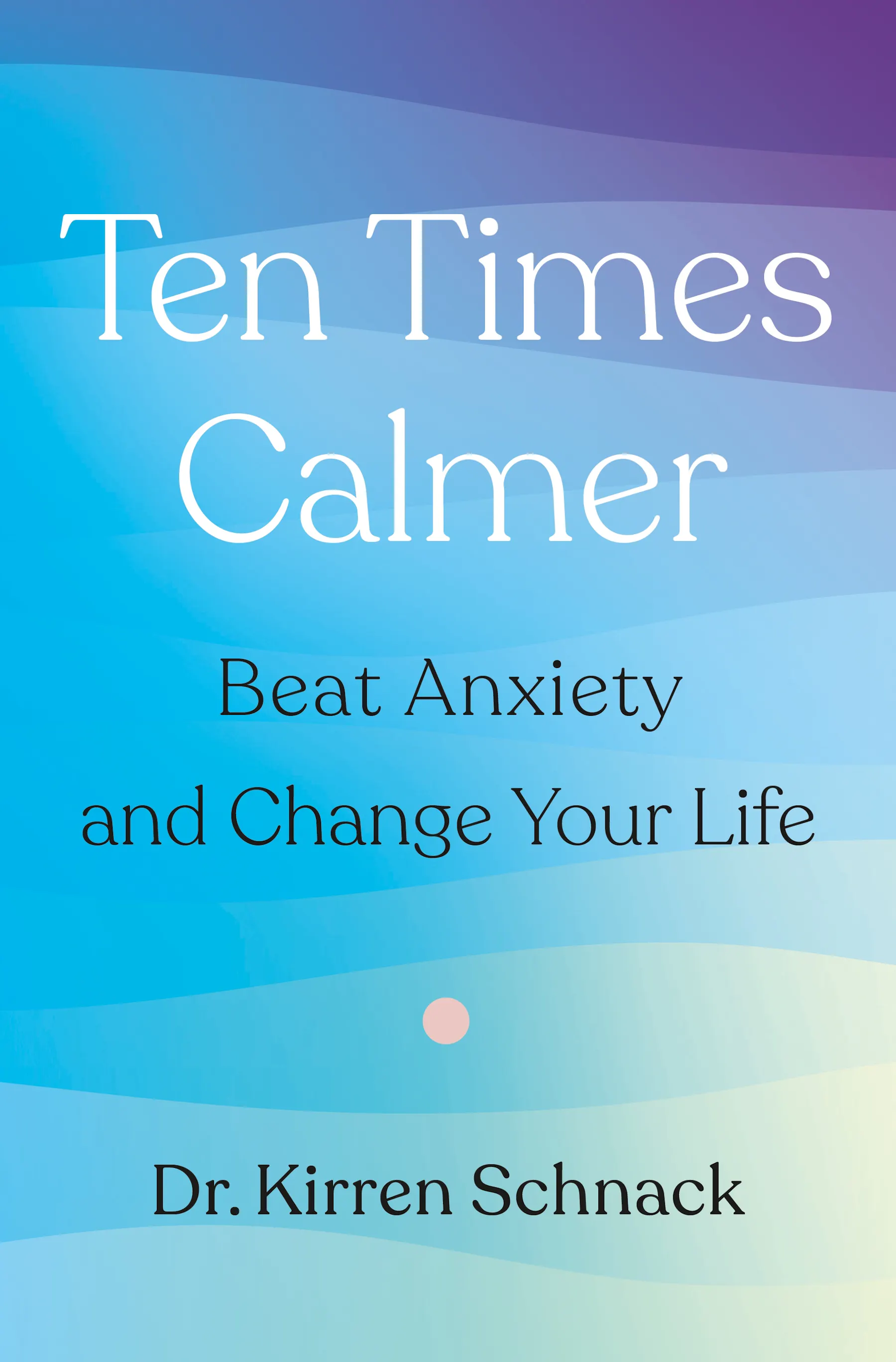 of practice, the book organizes ten chapters around key anxiety challenges — from managing intrusive thoughts and stress to navigating uncertainty and trauma — offering accessible, actionable strategies grounded in cognitive behavioral therapy [7]. Change Counseling, a counseling practice that publishes annual mental health reading guides, named it among the best mental health books to read in 2025. It is especially well-suited for readers who want professional-grade guidance without academic jargon.
Why These Books Matter
Reading about mental health is not a substitute for professional care, but it is a meaningful complement to it. These five books collectively cover trauma, youth mental health crises, depression, the therapy process, and anxiety management — offering something for nearly every reader. In a world where access to mental health services remains unequal, a well-chosen book can be the first step toward understanding and healing.
Sources
[1] Penguin Random House. The Body Keeps the Score by Bessel van der Kolk, M.D. https://www.penguinrandomhouse.com/books/313183/the-body-keeps-the-score-by-bessel-van-der-kolk-md/
[2] Wikipedia. “The Body Keeps the Score.” Last modified May 2026. https://en.wikipedia.org/wiki/The_Body_Keeps_the_Score
[3] WellBeing International. “Book Review: The Anxious Generation by Jonathan Haidt.” August 2025. https://wellbeingintl.org/book-review-the-anxious-generation-by-jonathan-haidt/
[4] Wikipedia. “The Anxious Generation.” Last modified April 2025. https://en.wikipedia.org/wiki/The_Anxious_Generation
[5] Amazon. Lost Connections by Johann Hari — Editorial Reviews. https://www.amazon.com/Lost-Connections-Uncovering-Depression-Unexpected/dp/163286830X
[6] Change Counseling. “25 Best Mental Health Books to Read in 2025.” June 24, 2025. https://www.changecounselingllc.com/blog/25-best-mental-health-books-to-read-in-2025