Spooktacular Family Fun: Halloween Activities Libraries Can Offer
As October arrives and pumpkins appear on doorsteps, libraries have a unique opportunity to transform into community celebration hubs that bring families together. Halloween programming allows libraries to engage diverse age groups while promoting literacy, creativity, and social connection. From costume parades to haunted library tours, these seasonal activities help libraries fulfill their mission as vibrant community gathering spaces that serve all ages throughout the year.
Open House-Style Haunted Libraries
One of the most successful formats for Halloween programming is the open-house style “Haunted Library” event that takes over multiple areas of the library facility. George Reynolds Branch Library hosts a two-hour open house program with activity stations throughout the entire library, including crafts, bobbing for donuts, not-so-spooky storytimes, face painting, candy guessing games, photo booths, slime walks, monster bowling, and live  animal presentations (1). This format has proven highly effective for community engagement, with attendance growing from approximately 50 people in the first year to over 250 people annually (1). The open house approach allows families to move through stations at their own pace, accommodating different comfort levels with Halloween themes.
Costume Contests with Literary Themes
Costume contests remain a Halloween staple that libraries can adapt to celebrate both the holiday and literature. Interactive events, such as contests, can increase library foot traffic by up to 40% during the holiday season (2). Libraries should encourage families to dress as their favorite book characters, creating categories such as “Most Creative,” “Best Literary Character,” and “Scariest Costume.” A parade through different library sections allows participants to showcase their costumes while exploring areas they might not typically visit, naturally connecting Halloween festivities with library resources and collections.
Age-Appropriate Craft Workshops
Hands-on craft activities provide a chance to create while developing fine motor skills. Craft programs foster creativity, teach new skills, and provide a social outlet for patrons (2). Popular Halloween crafts for families include decorating mini pumpkins with paint and markers rather than carving, creating spooky bookmarks, making paper bats or spiders, and constructing Halloween-themed terrariums. One approach comprises providing paper bags that children can decorate with Halloween stickers to collect their goodies as they move through activity stations (1). These activities work well for mixed-age groups, allowing siblings of different ages to participate together in the same program.
STEAM Activities with Spooky Themes

Haunted Gingerbread House
Libraries can demonstrate that educational STEAM (Science, Technology, Engineering, Art, Math) programming doesn’t have to be serious. Mad Scientist parties for school-age children and tweens prove that activities can be engaging with hands-on exploration, increasing participant engagement and curiosity, much more effectively than demonstrations (3). These programs might include activities like “dissecting alien comets,” creating chemical reactions with dry ice, or exploring the physics of sound with spooky effects. The Halloween theme makes scientific concepts more approachable and entertaining for children who might otherwise find STEM programming intimidating.
Themed Storytime Sessions for Young Children
Halloween-themed story times offer age-appropriate seasonal fun while building crucial early literacy skills. Storytime helps develop children’s concentration, social skills, and communication skills, and encourages imagination and creativity (4). Librarians can enhance these sessions by using props and costumes to bring stories to life, incorporating interactive elements like movement or sound effects, and following up with simple craft activities. Libraries should ensure story times are held in quieter areas during larger Halloween events so storytellers don’t lose their voices in the boisterous atmosphere (1), potentially using microphones or sound systems if needed.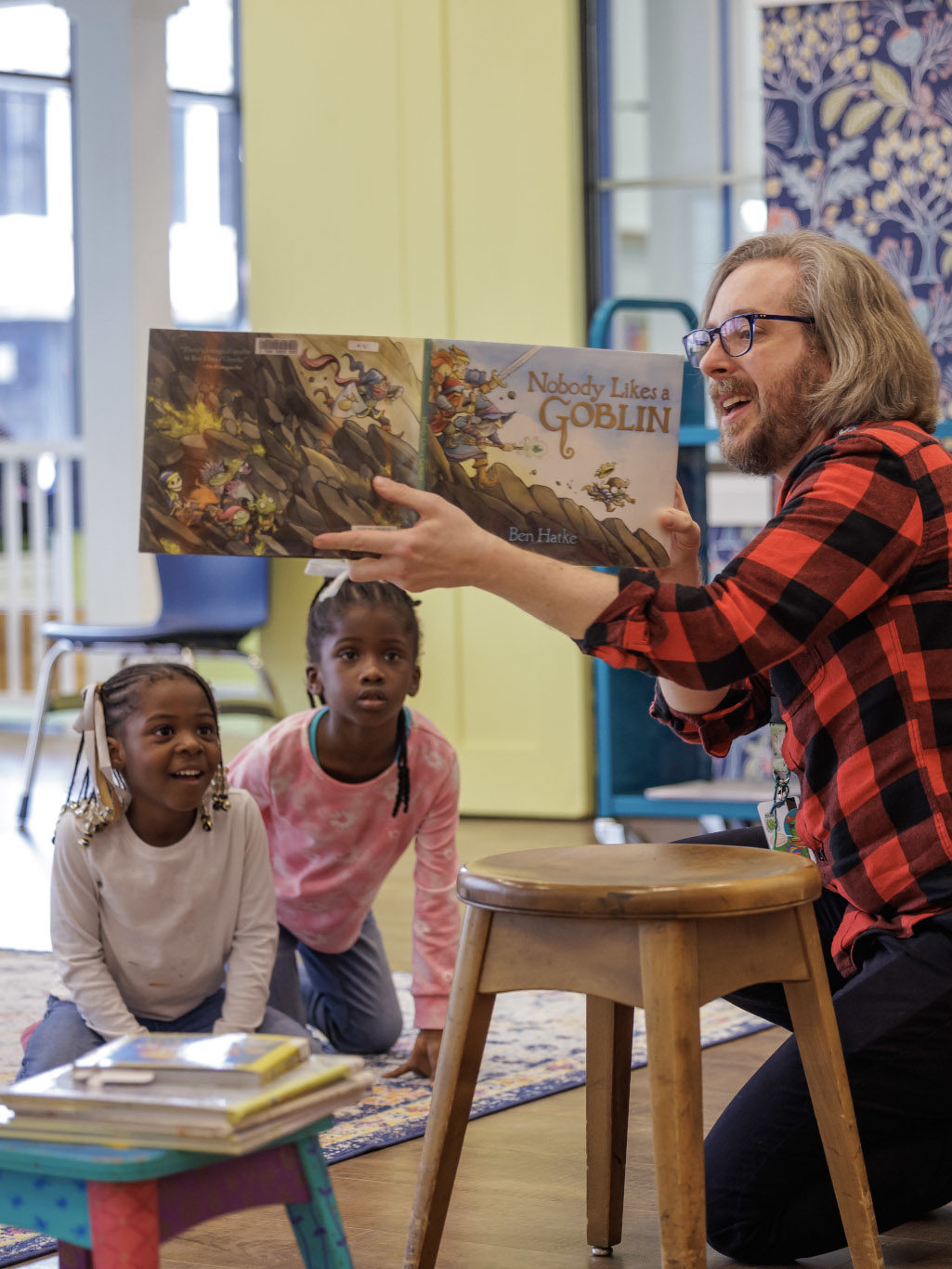
Teen-Friendly Programming Options
Middle schoolers and older teens require programming that acknowledges their transitional stage while still allowing them to enjoy Halloween festivities. Haunted “gingerbread” house programs give this traditionally winter holiday activity a sinister spin, with participants constructing houses, parking garages, graveyards, or asylums with graham crackers and royal icing on cardboard, then decorating them with candy pieces and cereals (3). For older teens, libraries can offer photo and video creation programs incorporating social media platforms they already use. Six-second horror stories and “Insta-Ghosts” programs augment the focus on photo-sharing apps by providing inspiration and creative freedom to create creepy content they can share (3). These programs work exceptionally well when hosted after library hours, providing an added atmosphere.
Multi-Generational Activities
Some Halloween programs work best when multiple generations participate together. Live-action board games create meeting room-sized game boards with teens dressed up in character costumes taking on roles in classics like Candyland, Life, or more complicated games like Arkham Horror (3). Green screen photo stations offer another multi-generational activity where teens can staff cameras and help younger children select backdrops for Halloween photos. These programs recognize that teen schedules are increasingly busy, and programs where teens assist younger library users as  volunteers are sometimes better attended than teen-only events.
Budgeting and Planning Considerations
Successful Halloween programming requires advanced planning and realistic budgeting. Programs can start with modest budgets around $300 for candy, donuts, paper bags, cupcakes, face paint, and decorations, then grow to $1,000 or more as they expand to include professional photo booths, animal educators, and professional face painters (1). For cost-cutting, libraries can enlist Teen Advisory Groups to design and run programs instead of hiring professionals, use tablets with photo printers instead of professional photo booths, and utilize craft supplies already stored. Plans should begin months in advance, with programs included in quarterly booklets, flyers displayed throughout facilities, digital signage, and coordination with local school districts. However, word of mouth ultimately becomes the strongest promotional tool (1).
Staff Coordination and Execution
Large Halloween events require significant staff coordination and volunteer support. Programs that take over entire library facilities need four to six staff members and two to four volunteers to help with setup, cleanup, and smooth operation, with setup typically requiring thirty to forty-five minutes, especially when using decorations like fake spider webs (1). Each activity station should have at least one staff member or volunteer overseeing operations and distributing treats or prizes to participants. Designating one staff member to greet everyone who enters and explain where all stations are located helps participants find everything available, especially in multi-level facilities (1). Post-event debriefs allow staff to discuss what worked, what didn’t, and how to improve for future years.
Creating Lasting Community Connections
Halloween programming demonstrates libraries’ roles as dynamic, responsive community institutions. When communities begin asking in late August or early September whether Halloween programs will happen, the library must be successfully reaching its community engagement goals and fostering library ownership (1). These events attract new patrons who might not otherwise visit, create positive associations with library spaces, and reinforce libraries as essential community resources. By offering free, high-quality Halloween programming, libraries remove financial barriers, ensuring that everyone can participate in seasonal celebrations regardless of their economic circumstances.
Halloween presents libraries with an ideal opportunity to showcase their value beyond traditional book circulation. Through thoughtful planning, diverse activities appealing to multiple age groups, and genuine community engagement, libraries create memorable experiences that resonate long after decorations come down. These programs prove that modern libraries serve as vital community centers where families learn, make, and celebrate together throughout the year.
Sources
- Programming Librarian. “Haunted Library.” George Reynolds Branch Library, Boulder Public Library. https://programminglibrarian.org/programs/haunted-library-0
- LibLime. (2024). “10 Spooktacular Ways Libraries Can Celebrate Halloween.” October 12, 2024. https://liblime.com/2024/10/12/10-spooktacular-ways-libraries-can-celebrate-halloween/
- Booth, H. (2015). “Spooktacular Halloween Library Programs for Kids, Tweens, and Teens.” School Library Journal. September 29, 2015. https://www.slj.com/story/spooktacular-halloween-library-programs-for-kids-tweens-and-teens
- St. Joe County Public Library. (2023). “Storytime critical for developing early literacy skills.” August 21, 2023. https://sjcpl.org/news/storytime-critical-for-developing-early-literacy-skills/