
The Ripple Effect: Unplanned Library Director Terminations Impact Staff and Communities
When a library director unexpectedly leaves their position—whether through resignation, dismissal, or other circumstances—the effects ripple far beyond the administrative office. The departure of a library’s top leadership creates a complex web of psychological, operational, and community impacts that can persist long after a replacement is found. Understanding these dynamics is crucial for library boards, interim leadership, and staff navigating these turbulent transitions.
Recent high-profile cases illuminate the scope of this challenge. In 2024, the Houston Public Library system experienced significant upheaval when longtime director Rhea Lawson was replaced amid widespread staff complaints about workplace culture (1). The library system’s turnover rate was more than double the city average in 2022, highlighting how leadership crises can devastate organizational stability (4). Similarly, the Tompkins County Public Library has faced a turnover rate of more than 50% since Tabor took the reins in November 2022, demonstrating how poor leadership transitions can create cascading staffing crises (5).
The Five Most Common Staff Reactions
1. Anxiety and Uncertainty About Job Security
The most immediate and universal response among library staff is heightened anxiety about their professional future. When a director departs unexpectedly, particularly if the circumstances involve controversy or organizational upheaval, staff members naturally question whether their positions are secure. Concerns about potential budget cuts, restructuring, or shifts in organizational priorities under new leadership compound this uncertainty.
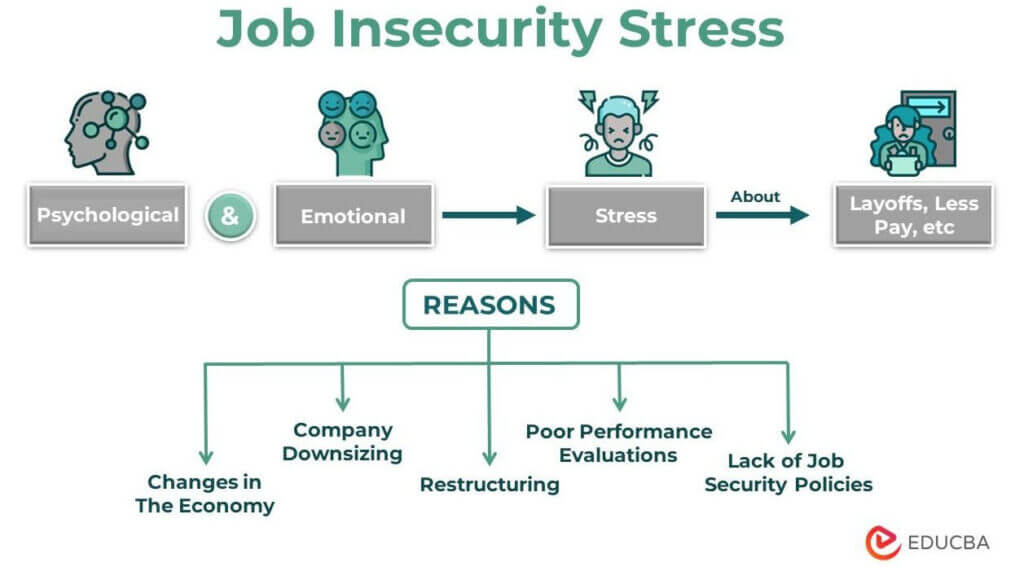 This anxiety manifests in various ways: decreased productivity as staff spend time discussing the situation rather than focusing on work, increased absenteeism as stress takes its physical toll, and a general atmosphere of unease that affects patron interactions. The psychological impact can be particularly acute for newer employees who lack the institutional knowledge to contextualize the departure within the library’s broader history.
2. Loss of Institutional Memory and Direction
Library directors often serve as the primary custodians of institutional vision and long-term strategic planning. Their unexpected departure creates an immediate void in organizational direction that leaves staff feeling rudderless. Projects may be abandoned mid-stream, policies may lack clear interpretation, and strategic initiatives may lose momentum without the driving force of executive leadership.
This reaction is especially pronounced in smaller library systems where the director maintains direct relationships with most staff members. The loss of this central figure can create a sense of organizational fragmentation, where departments begin operating in silos without the unifying presence of executive leadership to maintain cohesion and shared purpose.
3. Increased Workplace Stress and Burnout
Supportive coworker relationships may diminish following staff turnover, and suggest that efforts to strengthen social resources may be important following the departure of an employee (3). When a director leaves unexpectedly, the resulting chaos often increases workloads for remaining staff who must cover additional responsibilities while the organization searches for permanent leadership.
This increased stress is exacerbated by the emotional labor required to maintain normal operations while processing the uncertainty of the transition. Staff members may find themselves fielding questions from concerned patrons, managing media attention if the departure was controversial, and attempting to maintain service quality despite reduced administrative support. The cumulative effect can push already-stressed library workers toward burnout, particularly in an industry already facing workforce challenges.
4. Erosion of Trust in Organizational Leadership
Perhaps the most long-lasting impact of an unexpected director departure is the erosion of staff trust in broader organizational leadership, including library boards and municipal authorities. Staff members may question the decision-making processes that led to the departure, the adequacy of oversight mechanisms, and the commitment of governing bodies to library values and staff welfare.
This trust erosion can persist well beyond the immediate crisis, affecting staff willingness to engage with new initiatives, participate in organizational planning, or invest emotionally in institutional goals. The damage to trust relationships can take years to repair and may require significant effort from incoming leadership to rebuild confidence in organizational stability and vision.
5. Professional Exodus and Brain Drain
The most concrete and measurable impact of director departures is often a wave of staff resignations that follows the initial crisis. “Staff morale is low, turnover rates are high, and it seems that our administration does not care or chooses to turn a blind eye,” as one Houston Public Library employee described their situation before widespread departures occurred (4).
This professional exodus creates a vicious cycle: as experienced staff leave, remaining employees face increased workloads and reduced institutional knowledge, which in turn motivates more departures. The loss of experienced librarians and support staff can take years to recover from, particularly in specialized areas like technical services, collection development, or community programming, where expertise is not easily replaced.
Community Impact: Beyond the Library Walls
The effects of unexpected director departures extend far beyond library staff to impact the broader community that depends on library services. The most immediate community impact is often a reduction in service quality as staff focus on internal crisis management rather than patron needs. Programming may be cancelled or postponed, collection development may stagnate, and response times for patron requests may increase as staff bandwidth is consumed by organizational uncertainty.
Community trust in the library as an institution can also suffer, particularly if the director’s departure involves public controversy or media attention. Patrons who developed relationships with the departing director may feel abandoned, while community stakeholders may question the library’s stability and long-term viability. This erosion of community confidence can affect everything from voter support for library funding measures to participation in library programs and services.
Perhaps most significantly, the departure of a library director can disrupt critical community partnerships and initiatives. Directors often serve as the primary 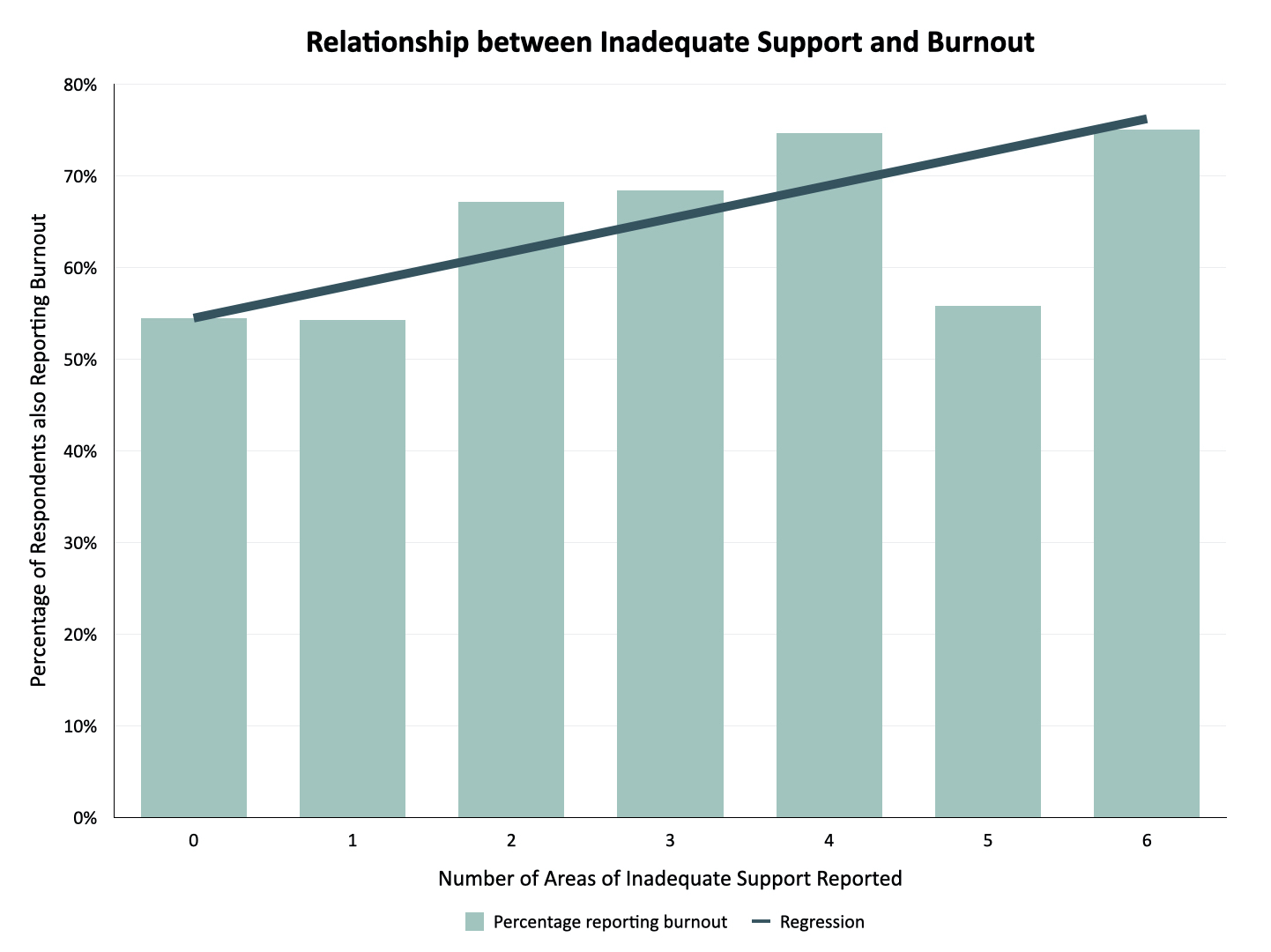 liaison between libraries and local government, schools, nonprofit organizations, and community groups. Their unexpected departure can leave collaborative projects without clear leadership and may require months or years to rebuild the relationships that enable effective community engagement.
Long-term Organizational Recovery
Creating safe work spaces and providing flexibility and access to paid leave and caregiver accommodations can reduce the likelihood of staff burnout, which in turn can reduce staff turnover and improve the library experience for all in the community (2). Recovery from an unexpected director departure requires deliberate attention to both immediate crisis management and long-term organizational health.
The most successful transitions involve transparent communication from governing bodies about the circumstances of the departure and the process for finding replacement leadership. Interim leadership that prioritizes staff welfare and maintains existing service commitments can help stabilize the organization during the search process. Additionally, involving staff in discussions about organizational priorities and values can help rebuild trust and ensure continuity of institutional mission.
However, the full recovery process often takes 18-24 months or longer, depending on the circumstances of the departure and the effectiveness of the replacement process. Organizations that fail to address the underlying issues that contributed to the director’s departure may find themselves facing repeated cycles of leadership instability and staff turnover.

The unexpected departure of a library director creates a complex crisis that touches every aspect of library operations and community service. The five common staff reactions—anxiety about job security, loss of institutional direction, increased workplace stress, erosion of trust, and professional exodus—can combine to create lasting damage to organizational effectiveness and community service quality.
Understanding these impacts is essential for library governing bodies, which must navigate the immediate crisis while planning for long-term organizational recovery. The ripple effects of director departures serve as a reminder that library leadership stability is not merely an administrative concern, but a fundamental requirement for maintaining the community trust and staff expertise that enable libraries to fulfill their essential public service mission. As libraries face increasing pressure from budget constraints, political challenges, and changing community needs, ensuring stable and effective leadership becomes ever more critical to their survival and success.
References
- Houston Landing. (2024, April 1). Whitmire replaces Rhea Lawson, longtime Houston Public Library director, amid morale woes. https://houstonlanding.org/rhea-lawson-longtime-houston-public-library-director-leaves-job-amid-morale-woes/
- Public Libraries Online. (2021, April 29). Library Staff In and Beyond the Workplace. https://publiclibrariesonline.org/2021/04/library-staff-in-and-beyond-the-workplace/
- PMC. The Impact of Staff Turnover on Workplace Demands and Coworker Relationships. https://pmc.ncbi.nlm.nih.gov/articles/PMC4986917/
- Houston Landing. (2023, August 29). Houston Public Library employees are leaving in droves, citing a ‘toxic’ culture of fear. https://houstonlanding.org/houston-public-library-employees-are-leaving-in-droves-citing-a-toxic-culture-of-fear/
- The Ithaca Voice. (2025, March 19). Library director resigns amid public criticism, investigations. https://ithacavoice.org/2025/03/library-director-resigns-amid-public-criticism-investigations/
- Texas Standard. Houston Public Library staff turnover and complaints led to the ousting of the library director. https://www.texasstandard.org/stories/houston-public-library-staff-turnover-complaints/