
Librarians, Webinars, and Workshops, Oh My!
Librarians face the ongoing challenge of staying current with emerging technologies, evolving best practices, and shifting user needs. To meet these challenges head-on, many librarians turn to webinars and workshops as vital tools for professional development. These virtual and in-person learning opportunities provide a flexible, accessible, and often cost-effective means of acquiring new skills, expanding knowledge, and networking with peers. Frequently discovered through professional organizations, listservs, and social
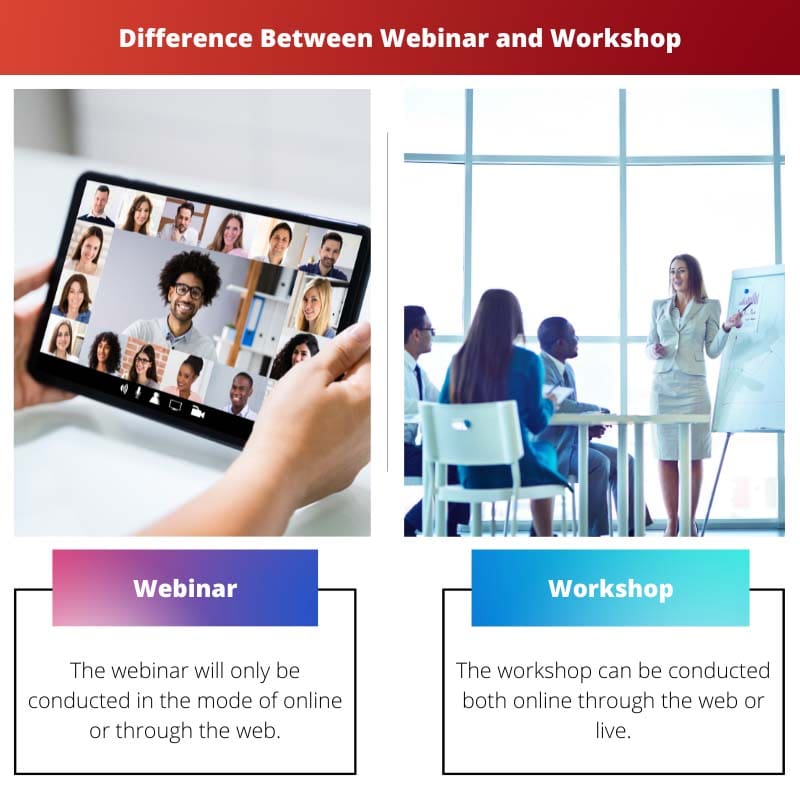 media groups, these development opportunities are vital for many librarians.
The Rise of Online Learning in Library Science
The digital age has transformed the way librarians approach professional development. While traditional conferences and in-person workshops remain valuable, online webinars have gained significant traction due to their convenience and broad reach. A survey conducted by the American Library Association (ALA) in 2022 found that 78% of librarians had participated in at least one professional development webinar in the past year, with 45% attending five or more [1].
Benefits of Webinars for Librarians
- Accessibility: Webinars break down geographical barriers, allowing librarians from rural or underfunded institutions to access high-quality professional development opportunities.
- Cost-effectiveness: Many webinars are free or low-cost, making them an attractive option for libraries with limited budgets.
- Time efficiency: Librarians can participate in webinars without traveling, minimizing time away from work.
- On-demand learning: Many webinars are recorded and archived, enabling librarians to access the content conveniently.
- Diverse topics: Webinars cover various subjects, from technical skills to management strategies, catering to various professional needs.
Real-World Examples of Impactful Webinars
- OCLC’s “WebJunction” Program
WebJunction, an OCLC Research program, offers a prime example of how webinars can be effectively used for librarian professional development. Their monthly webinar series covers community engagement, digital inclusion, and library management. In 2023, their webinar on “Creating a Culture of Learning in Your Library” attracted over 1,000 live participants and has since been viewed an additional 3,500 times in its archived form [2].
One participant, Sarah Johnson, a public librarian from Iowa, shared: “The WebJunction webinar on fostering a learning culture gave me practical strategies to implement in my small library. We’ve since started a peer-learning program that has significantly improved our team’s digital skills.”
- Library of Congress’s “Digital Preservation Outreach and Education Network” (DPOE-N)
 The Library of Congress’s DPOE-N program offers webinars focused on digital preservation, a critical area for modern librarians. Their 2023 webinar series on “Preserving Born-Digital Content” drew participants from academic, public, and special libraries across the United States [3].
Dr. Emily Chen, an academic librarian at a large university, noted: “The DPOE-N webinars provided our team with invaluable insights into managing our growing collection of born-digital materials. We’ve since implemented new workflows based on the best practices shared in these sessions.”
In-Person Workshops: The Power of Hands-On Learning
While webinars offer many advantages, in-person workshops remain crucial to librarian professional development. These events provide opportunities for hands-on learning, intensive skill-building, and face-to-face networking that can be challenging to replicate in a virtual environment.
Benefits of In-Person Workshops
- Immersive learning: Participants can fully engage with the material without the distractions of their regular work environment.
- Hands-on practice: Many workshops include practical exercises allowing librarians to apply new real-life skills.
- Networking opportunities: Face-to-face interactions facilitate more profound connections with peers and instructors.
- Focused Workshops: The dedicated time workshop can lead to more profound learning experiences.
Case Studies: Innovative Workshop Programs
- Data Carpentry for Librarians
Data Carpentry, a project of The Carpentries, offers workshops specifically designed for librarians to develop data skills. These two-day, hands-on workshops cover data organization, cleaning, and analysis using tools like OpenRefine and R [4].
Lisa Martínez, a data services librarian at a mid-sized college, shared her experience: “The Data Carpentry workshop was transformative for our library’s data services. We’ve since launched a data literacy program for students and faculty, using the skills and teaching methods we learned in the workshop.”
- ACRL Immersion Program
The Association of College and Research Libraries (ACRL) Immersion Program offers intensive, multi-day workshops on information literacy instruction. The program includes tracks for new instructors and experienced professionals looking to take their teaching to the next level [5].
James Thompson, an instruction librarian at a large public university, reflected on his participation: “The ACRL Immersion Program completely changed how I approach information literacy instruction. The intensive nature of the workshop allowed me to deeply engage with pedagogical theories and develop new, more effective teaching strategies.”
Blending Virtual and In-Person: Hybrid Professional Development
Recognizing the benefits of both webinars and in-person workshops, many organizations are now offering hybrid professional development opportunities. These programs combine online learning with face-to-face components, providing a flexible and comprehensive approach to skill-building.
Example: ALA’s Emerging Leaders Program
The American Library Association’s Emerging Leaders Program exemplifies this hybrid approach. Participants engage in online learning modules throughout the year, culminating in an in-person workshop and presentation at the ALA Annual Conference [6].
A recent Emerging Leaders participant, Maria Gonzalez, shared: “The program’s blend of online and in-person components allowed me to develop leadership skills while balancing my regular work responsibilities. The final in-person workshop was valuable for putting our online learning into practice and building lasting professional relationships.”
Measuring the Impact of Webinars and Workshops
While anecdotal evidence supports the value of webinars and workshops for librarian professional development, measuring their long-term impact can be challenging. However, several studies have attempted to quantify the benefits:
- A 2023 study published in the Journal of Library Administration found that librarians who regularly participated in professional development webinars reported a 27%
 increase in job satisfaction and a 35% improvement in self-assessed job performance over two years [7].
- Research conducted by the Public Library Association in 2022 showed that libraries whose staff attended hands-on technology workshops saw a 42% increase in the number of technology programs offered to patrons within six months of the training [8].
- A longitudinal study of academic librarians who participated in the ACRL Immersion Program found that 85% had implemented significant changes to their information literacy instruction within one year, leading to measurable improvements in student learning outcomes [9].
Challenges and Future Directions
Despite the clear benefits of webinars and workshops for librarian professional development, several challenges remain:
- Time constraints: Many librarians struggle to balance professional development with daily responsibilities.
- Budget limitations: While many free webinars, high-quality workshops can be expensive, particularly when travel is involved.
- Technology barriers: Some librarians, particularly those in underfunded institutions, may need more technology to participate in webinars effectively.
- Information overload: The sheer volume of available webinars and workshops can be overwhelming, making it difficult for librarians to choose the most relevant opportunities.
To address these challenges, professional organizations, and library leaders are exploring innovative approaches:
- Microlearning: Develop shorter, more focused learning modules and integrate them into a librarian’s workday.
- Personalized learning paths: Using AI and data analytics to recommend professional development opportunities tailored to a librarian’s specific needs and career goals.
- Peer-led learning communities: Encouraging librarians to share their expertise through informal, librarian-led webinars and workshops.
- Virtual reality workshops: Experimenting with VR technology to create immersive, hands-on learning experiences accessible remotely.
Webinars and workshops have become indispensable tools for librarian professional development, offering flexible, accessible, and effective means of acquiring new skills and knowledge. As the field of library science continues to evolve, these learning opportunities will play an increasingly crucial role in ensuring that librarians remain at the forefront of information management and service delivery.
Sources:
- American Library Association. (2022). State of America’s Libraries Report 2022. https://www.ala.org/news/state-americas-libraries-report-2022
- OCLC. (2023). WebJunction Course Catalog. https://learn.webjunction.org/
- Library of Congress. (2023). Digital Preservation Outreach and Education Network (DPOE-N). https://www.dpoe.network/
- The Carpentries. (2023). Library Carpentry. https://librarycarpentry.org/
- Association of College and Research Libraries. (2023). ACRL Immersion Program. https://www.ala.org/acrl/conferences/immersion
- American Library Association. (2023). Emerging Leaders Program. https://www.ala.org/educationcareers/leadership/emergingleaders
- Harland, F., Stewart, G., & Bruce, C. (2018). Aligning Library and University Strategic Directions: A Constructivist Grounded Theory Study of Academic Library Leadership in Australia and the U.S.A. New Review of Academic Librarianship, 24(3–4), 263–285. https://doi.org/10.1080/13614533.2018.1498797
- Hamasu, C., & Bramble, J. (2015). Professional development on a dime: The PNR Rendezvous. Journal of the Medical Library Association: JMLA, 103(4), 193. https://dev.nnlm.gov/training/class/pnr-rendezvous-make-it-work-managing-your-solo-or-small-hospital-library
9. Cooke, N. A. (2012). Professional development 2.0 for librarians: Developing an online personal learning network (PLN). Library Hi Tech News, 29(3), 1-9. https://www.emerald.com/insight/content/doi/10.1108/07419051211241840/full/html