Top 10 Ways to Prepare for a Library Job Interview
Landing a library position requires more than just a passion for books and knowledge. Whether you’re applying for your first library assistant role or seeking a senior librarian position, thorough interview preparation can make the difference between receiving an offer and continuing your job search. The competitive nature of library positions demands that candidates demonstrate not only their technical competencies but also their understanding of modern library services and community engagement. Here are the top ten strategies to help you excel in your library job interview.
1. Conduct Comprehensive Research on the Organization
Before your interview, thoroughly research the library by reviewing its website and social media pages to learn about its mission, values, and services. This research extends beyond a cursory glance at their homepage. Review the library’s webpage, policies, and, if publicly available, its strategic plan, and be ready to ask interviewers questions based on this research. Understanding the library’s goals helps you demonstrate how your skills and experience align with its organizational needs.
Visit the library in person to observe the staff and patrons, as how you feel about a place will impact your job satisfaction. Reading the library board meeting minutes, which are often available online, can help you see the direction the library wants to go and its goals. Additionally, familiarize yourself with the demographics of the surrounding community, as this information can inform the suggestions and ideas you present during your interview.
2. Master the Job Description
Carefully reviewing the job description helps you understand the position’s responsibilities and requirements. Create a detailed list of your relevant experience and skills that match each requirement listed. Prepare for questions meant to assess strengths and weaknesses, problem-solving, critical thinking, knowledge of the profession, self-awareness, leadership, initiative, and collaboration. Understanding how the position aligns with organizational goals from a strategic perspective will help you convey the value you bring to the role.
When you understand exactly what the library seeks, you can prepare specific examples from your background that demonstrate your qualifications. This preparation ensures you can address how your knowledge and skills make you an ideal fit for the position.
3. Practice with Mock Interviews
Setting up mock interviews where someone asks you common library interview questions helps you refine your responses. Practice answering questions such as describing good or bad interactions with patrons, explaining what you know about the library, and discussing your customer service philosophy. When you get flustered during practice, write down your responses, then whittle them down to keywords or short sentences. This technique helps you deliver concise, focused answers during the actual interview.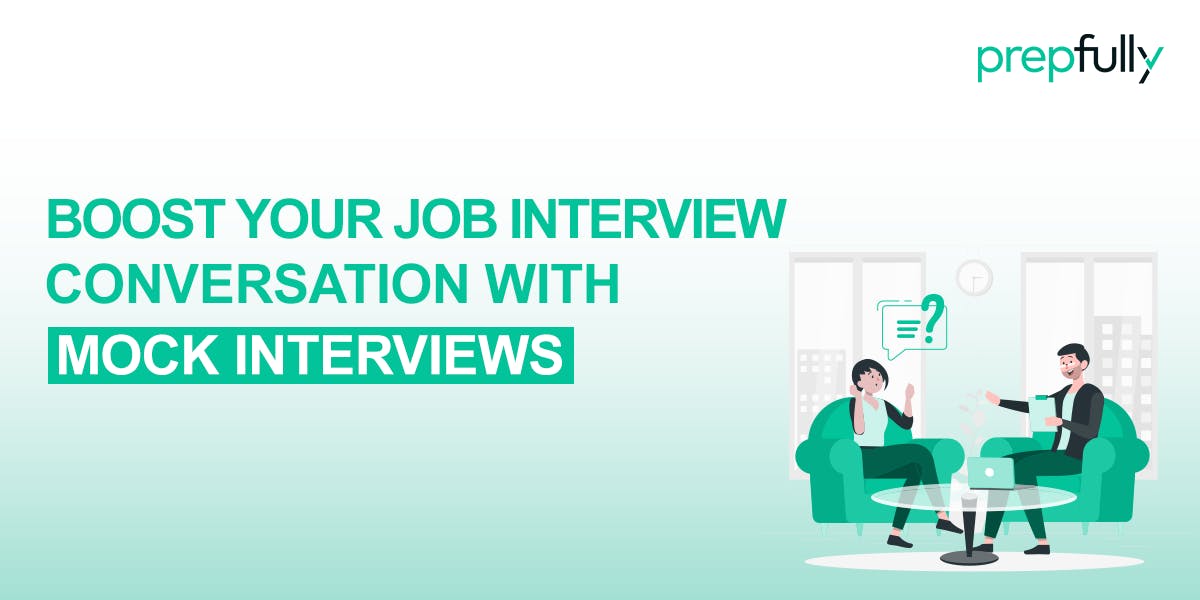
Repetition builds confidence and helps you identify areas where your answers need strengthening. Consider recording yourself to evaluate your body language, tone, and clarity of expression.
4. Prepare for Task-Based Assessments
In many cases, the interview will be more than sitting at a table answering questions, as you may be given a task to complete, such as a presentation or a coding challenge. Libraries often ask candidates to demonstrate practical skills relevant to the position. You might be asked to teach a lesson to a specific age 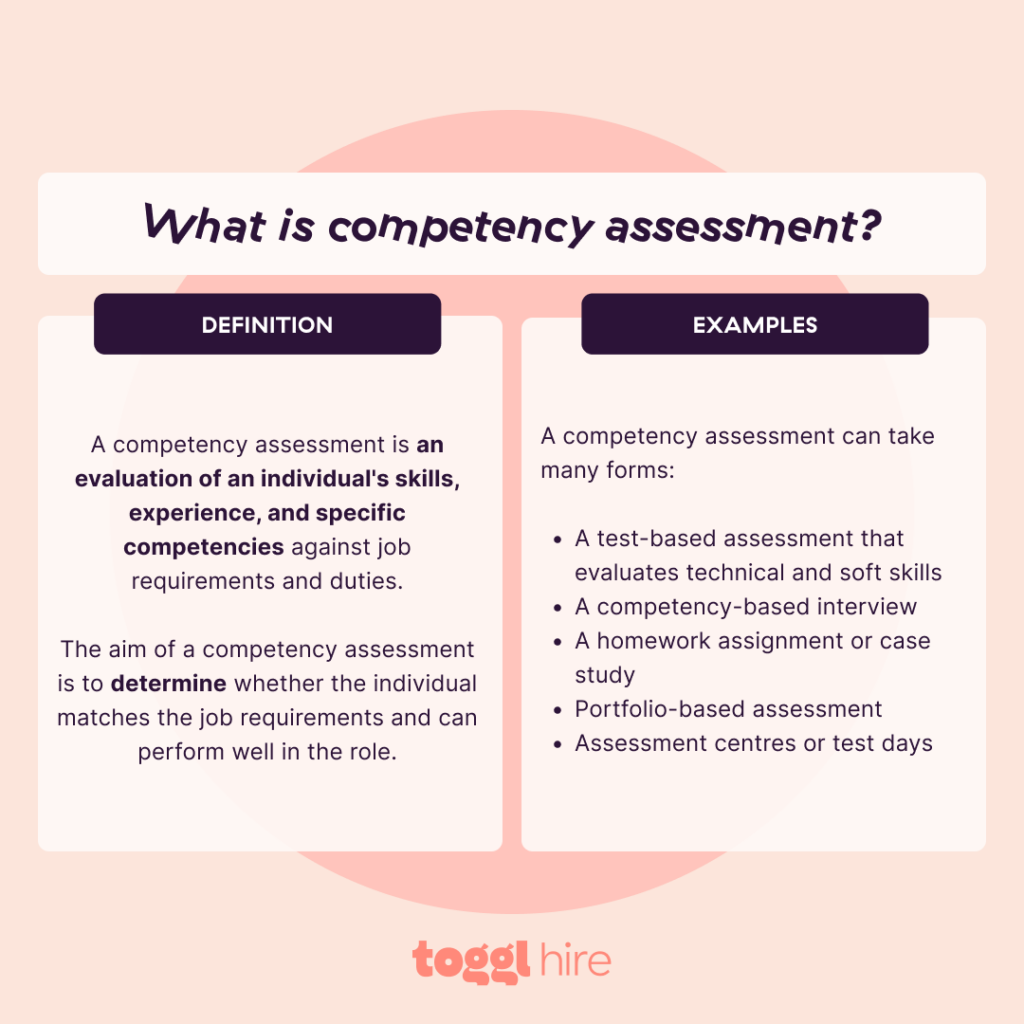 group, lead a class focused on a particular audience, or complete a technical challenge.
If interviewers provide materials to review before the interview, print them out, highlight important passages, write notes in the margins, and memorize key points. The materials given are directly relevant to the job, and interviewers expect you to incorporate this knowledge into your interview responses and task completion.
5. Understand Core Library Competencies
Success in library interviews requires demonstrating proficiency in essential competencies. Core competencies for librarians include customer service, communication, organization, and technology skills. Be prepared to discuss how you’ve applied these competencies in previous roles, even if they weren’t in library settings.
Employers will want to test whether you have a solid understanding of essential tools of library classification, referencing, and cataloging. Familiarize yourself with classification systems such as the Library of Congress Classification and the Dewey Decimal Classification. Additionally, demonstrate your comfort with library technology, including integrated library systems, catalog programs, database software, and digital resources.
6. Develop Strong Behavioral Response Examples
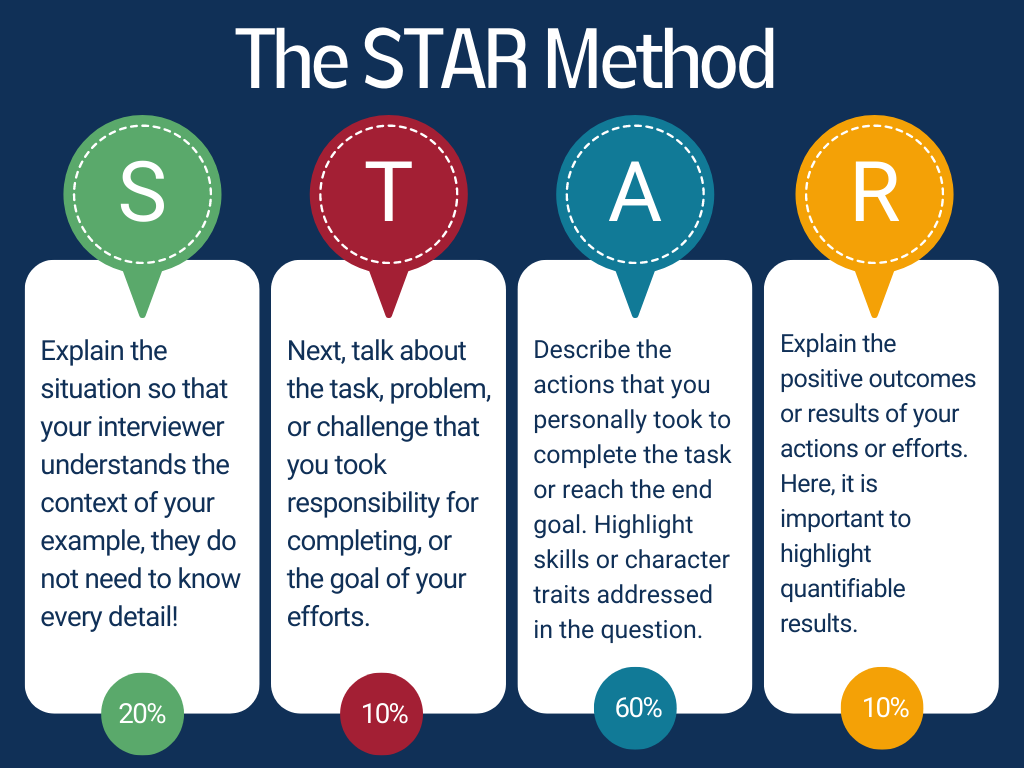
Behavioral questions may focus on your ability to work with others, adapt to change, and handle difficult situations. The STAR method (Situation, Task, Action, Result) provides a practical framework for structuring these responses. Prepare examples of times you handled challenging situations well, times you handled situations poorly, and what you’d do better, and times you had successful interactions with patrons or clients.
If you’re worried about not having enough experience, get creative by finding activities in your personal life to use as examples and tie them back to libraries. Event planning, presentations, team projects, and conflict resolution, regardless of context, can demonstrate relevant skills when properly framed.
7. Answer Questions Directly and Completely
Group hiring teams often use rubrics for scoring, so make sure you answer exactly what they ask before expanding your answer to highlight other things. When asked to provide an example, give one clear example rather than multiple brief ones. Some panels will only score the first example you provide to maintain consistency, meaning additional examples waste valuable response time.
Listen carefully to each question and ensure your answer directly addresses what was asked. You can expand on your response after addressing the core question, but always begin with the specific information requested.
8. Prepare Thoughtful Questions for the Interviewers
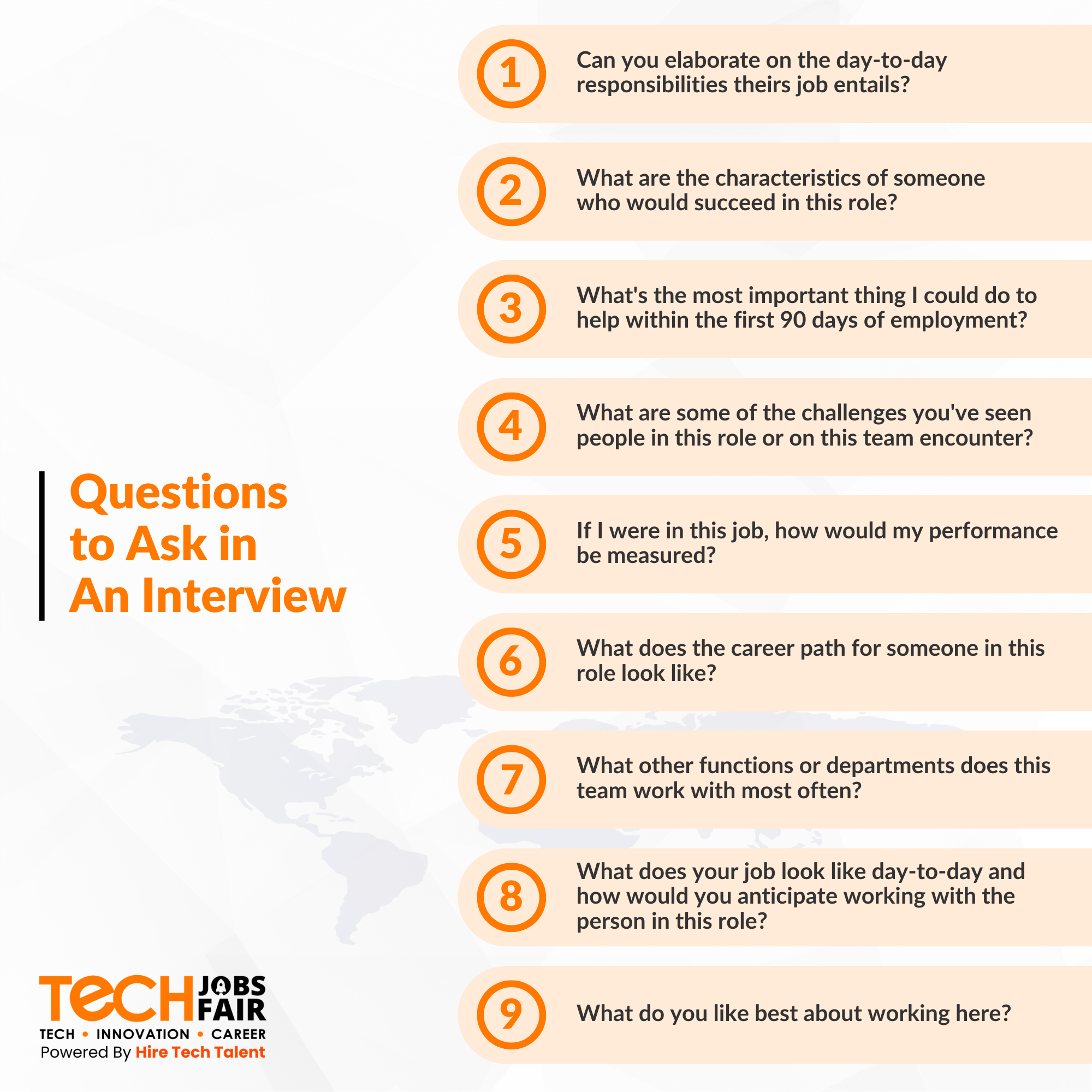
You should prepare some questions to ask the interviewer about the organization’s culture, expectations, and plans. Asking questions demonstrates that you’ve done your research, are invested in the organization, and are genuinely interested in the position. Your questions should reflect the strategic priorities you identified in your research and demonstrate your understanding of current library trends.
Consider asking about professional development opportunities, upcoming initiatives, community partnerships, or how success is measured in the role. Avoid asking about salary and benefits until an offer is made, unless the interviewer raises them first.
9. Demonstrate Your Commitment to Professional Development
Librarians must stay up to date on the technologies, procedures, and practices necessary for community and school libraries. Be prepared to discuss how you stay current in the field and how you apply new skills and knowledge on the job. Continuing education courses, professional conferences, and certification maintenance demonstrate your commitment to the profession.
Staying updated involves attending professional conferences, participating in webinars, reading industry publications, and joining relevant professional organizations. Mention specific resources you use, such as library association publications, online courses, or professional networks. This shows you’re committed to continuous learning and adapting to the evolving library landscape.
10. Show Enthusiasm and Cultural Fit
Show your enthusiasm and passion for Library Services and the organization you are applying to. Mention a program or service that the library does that you are impressed with, and show how you can help with their strategic objectives. Your genuine interest in the library’s mission and community makes you a more compelling candidate.
Being nervous is normal for anyone applying for any position, but remember to be confident too, as you were asked to interview for a reason. Nervousness shows you care about the job and are willing to work hard to get it. Balance your nerves by trusting your qualifications and preparation.
Libraries are first and foremost public services, requiring you to deal with people with a wide variety of living situations and levels of technology access. Demonstrate that you can create a space where people don’t feel uncomfortable asking for help and can provide quality service without judgment. Understanding this service-oriented philosophy distinguishes library work from retail or other customer-facing positions.
Preparing for a library job interview requires time, research, and thoughtful reflection on your experiences and qualifications. By thoroughly researching the organization, understanding the job requirements, practicing your responses, and demonstrating both technical competencies and genuine enthusiasm for library service, you position yourself as a strong candidate. Remember that interviews are also an opportunity to assess whether the library and the position align with your professional goals and values. With thorough preparation using these ten strategies, you’ll be well-equipped to make a lasting impression and advance your library career.
Sources
- Indeed.com. (2024, August 18). “33 Interview Questions for a Library Assistant.” https://www.indeed.com/career-advice/interviewing/interview-questions-for-library-assistant
- Indeed.com. (2025, January 31). “8 Librarian Interview Questions [Updated 2025].” https://www.indeed.com/hire/interview-questions/librarian
- The Florida State University. “Library Interview Questions – Library and Technology Jobs.” https://guides.lib.fsu.edu/c.php?g=352933&p=2383379
- Exec, I. (n.d.). Interview preparation or mock interview – Career Services, Syracuse University. Career Services Syracuse University. https://careerservices.syr.edu/channels/prepare-for-an-interview/
- Oxford Libraries Graduate Trainees. (2023, August 25). “Library Interview Tips and Techniques.” https://blogs.bodleian.ox.ac.uk/oxfordtrainees/library-interview-tips-and-techniques/
- North Dakota State Library. “Hiring and Interviewing – Public Library Director Toolkit.” https://library-nd.libguides.com/publib/interview
- Boltjobs.com. “Librarian Interview Questions and Answers: Tips and Examples.” https://www.boltjobs.com/blog/librarian-interview-questions-and-answers
- MyInterviewPractice.com. “Librarian Interview Questions.” https://myinterviewpractice.com/industries-details/education/librarian-interview-preparation/
- Indeed.com. (2024, August 16). “Librarian Interview Questions (With Example Answers).” https://www.indeed.com/career-advice/interviewing/librarian-interview-questions
- MockInterviewPro.com. (2025, March 30). “Top 30 Librarian Interview Questions and Answers [Updated 2025].” https://www.mockinterviewpro.com/interview-questions/librarian/
- Storytime Solidarity. (2024, July 2). “Acing the Library Interview.” https://storytimesolidarity.com/interview/
- New York Public Library Research Centers. (2024, December 21). “About – Job Interview.” https://libguides.nypl.org/job_interview/about
- Monster.com. “Sample Librarian Interview Questions and Answers.” https://www.monster.com/career-advice/article/librarian-interview-questions
- Huntr. (2024, June 8). “50 Interview Questions About Library System (With Answers).” https://huntr.co/interview-questions/library-system
- LinkedIn. (2024, March 19). “How can you best answer interview questions for a Library Services job?” https://www.linkedin.com/advice/3/how-can-you-best-answer-interview-questions-library-erbye
- University of Wisconsin-Madison iSchool. “Interview.” https://ischool.wisc.edu/student-experience/career-services/career-toolkit/interview/