
The Rise of AI-Generated Audiobooks: Revolutionary Change or Threat to Human Artistry?
The audiobook industry stands at a technological crossroads. As artificial intelligence increasingly permeates the publishing landscape, AI-generated audiobooks are emerging as both a democratizing force and a source of significant controversy. With multiple market projections showing substantial growth—ranging from the global audiobook market reaching $35.47 bil lion by 2030 at a 26.2% CAGR (1) to other estimates projecting $67.58 billion by 2033 (2)—the implications for readers, authors, and the traditional publishing ecosystem are profound.
Current Market Landscape
The audiobook industry has experienced remarkable growth in recent years. In the United States alone, audiobook sales reached $2 billion in 2023, representing a 9% increase from the previous year. Additionally, 38% of American adults reported listening to an audiobook in the past year (3). The U.S. audiobooks market was valued at $2.75 billion in 2023 and is expected to grow at a CAGR of 24.6% from 2024 to 2030 (4).
Different market research firms provide varying global projections, but all indicate substantial growth.

https://www.mordorintelligence.com/industry-reports/audiobook-market
Conservative estimates suggest the global audiobook market will reach $13.08 billion by 2030 at a 10.76% CAGR (5), while more aggressive projections anticipate growth to $35 billion by 2030 with an annual growth rate of 26.4% (6). Some analysts project even higher figures, with the market potentially reaching $39.1 billion by 2032 at a 25.7% CAGR (7).
The Technology Driving Change
The underlying technology enabling AI audiobooks—Text-to-Speech (TTS)—is experiencing parallel growth. The TTS market is expected to reach $7.28 billion by 2030, growing from $3.87 billion in 2025 at a CAGR of 12.89% (8). Other research suggests that the TTS market surpassed $4 billion in 2023 and is expected to grow at a rate of around 14% CAGR through 2032 (9). Meanwhile, some projections are even more optimistic, anticipating that the market could reach $14.6 billion by 2033 at a 15% CAGR (10).
This technological foundation is crucial because TTS capabilities directly impact the quality and viability of AI-generated audiobooks. As the technology improves and becomes more cost-effective, it enables broader adoption across the publishing industry.
Democratizing Access to Audio Publishing
The most transformative aspect of AI-generated audiobooks is their potential to democratize access to the audio publishing industry. Traditional audiobook production involves significant costs and time investments—professional narrators, studio time, editing, and post-production work—making it financially unfeasible for many authors and publishers to convert their works to audio format.
AI narration eliminates many of these barriers. Authors who previously lacked the resources to hire professional human narrators can now convert their works into audiobooks at a fraction of the  traditional cost. This democratization enables publishers to create audio versions of long-tail titles, thereby expanding their catalogs and making niche books available in audio format for the first time.
The efficiency gains are substantial. While traditional audiobook production can take weeks or months, AI can generate completed audiobooks within days or even hours. This speed advantage enables books to be simultaneously released in print, digital, and audio formats, potentially capturing a broader audience from launch.
Industry Controversy and Human Concerns
However, this technological revolution comes with significant human costs and ethical considerations. The audiobook industry has long relied on skilled human narrators who bring interpretive artistry, emotional nuance, and character differentiation to literary works. The rise of AI narration has sparked legitimate concerns about the future of these creative professionals.
Many human narrators fear that the efficiency and cost advantages of AI production could lead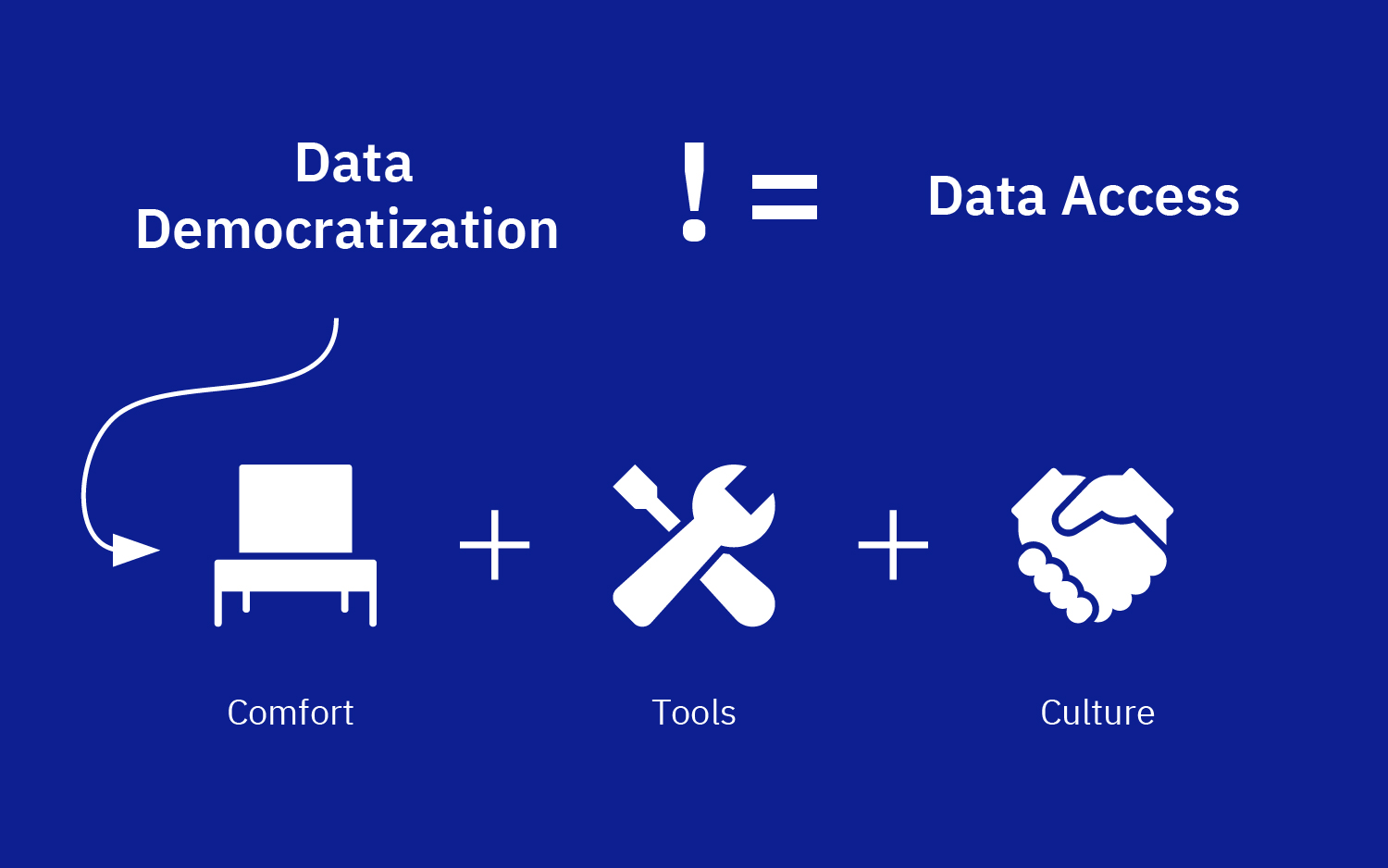
The creative community has expressed valid worries about AI’s impact on established industries, particularly the concern that automated systems may marginalize creative professionals. These fears are compounded by the reality that human expertise is sometimes used to train AI systems that could eventually replace those same human roles.
The Quality and Experience Debate
The quality question remains one of the most contentious aspects of AI audiobook adoption. Critics argue that current AI voices often sound flat and monotone, lacking the emotional resonance and personality that make audiobooks engaging. This can result in listening experiences that feel mechanical rather than immersive.
However, AI technology continues to advance rapidly. The gap between AI and human narration quality is narrowing, though significant challenges remain. AI systems currently struggle with:
- Emotional nuance and inflection that match the story context
- Character voice differentiation in dialogue-heavy works
- Pacing and rhythm that enhance narrative flow
- Interpretive choices that add depth to the reading experience
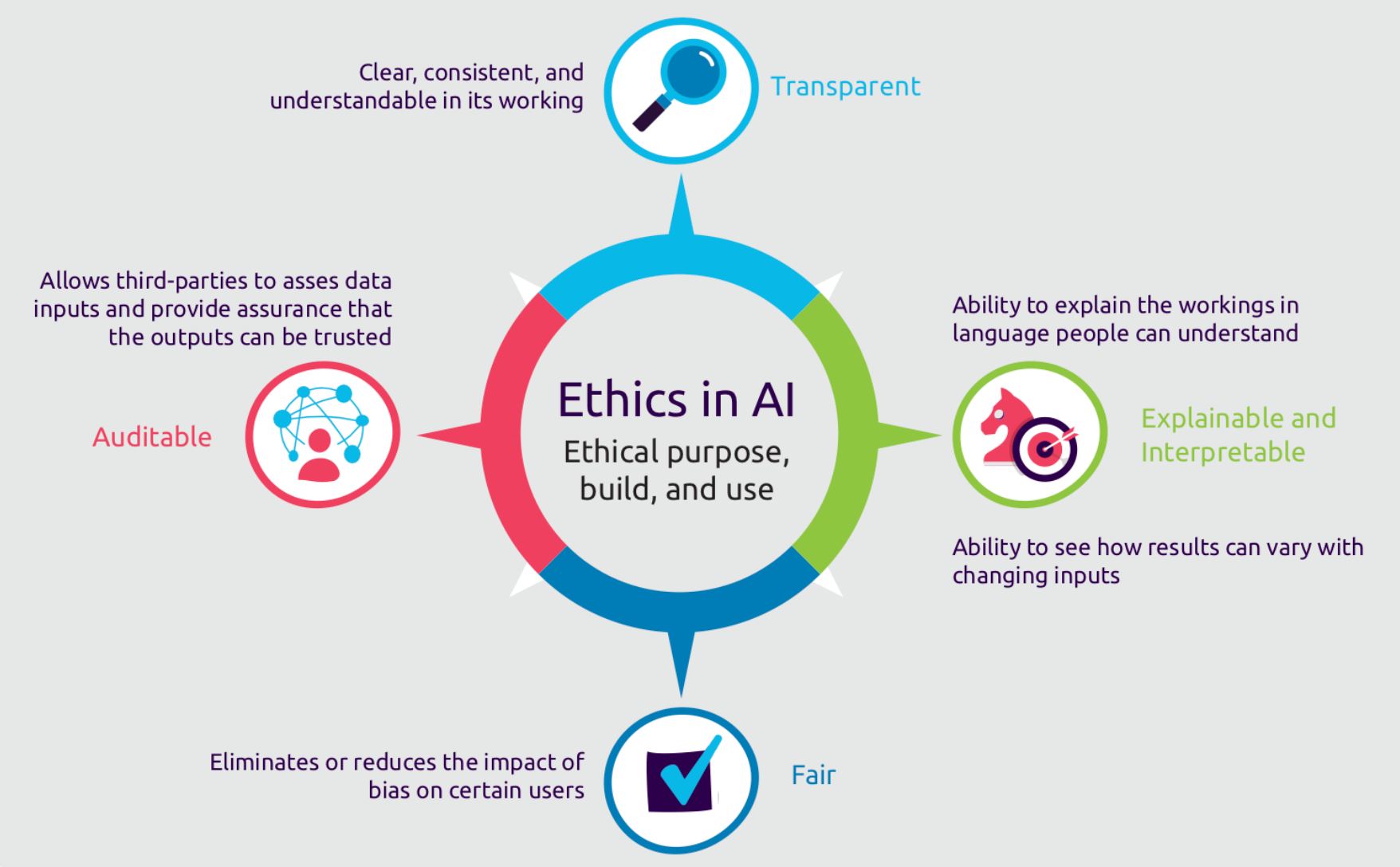 While AI can replicate the technical aspects of speech, capturing the interpretive depth and artistic sensibility that skilled human narrators bring to literary works remains a significant challenge.
Market Segmentation and Future Outlook
The audiobook market is likely evolving toward segmentation based on content type and audience preferences. AI narration may become dominant in specific categories, such as self-published works, technical content, educational materials, and backlist titles, where cost efficiency is a primary concern. Meanwhile, premium human-narrated audiobooks may continue to command higher prices for literary fiction, bestsellers, and works where interpretive artistry adds significant value.
This bifurcation reflects broader trends in digital media, where technology enables broader access while premium human-crafted content maintains distinct value propositions. The audiobook market’s projected growth—with revenue potentially increasing from current levels to anywhere between $13 billion and $67 billion by the early 2030s—suggests there may be room for both AI and human narration to coexist and serve different market segments.
Looking Forward
The transformation of the audiobook industry through AI represents more than a technological upgrade—it’s a fundamental shift in how audio content is produced and consumed. The technology promises unprecedented accessibility and efficiency, enabling authors and publishers to reach audio audiences who previously couldn’t justify the cost of traditional audiobook production.
The projected growth of the underlying Text-to-Speech market—from approximately $4 billion today to potentially $7 billion to $ 15 billion by 2030—indicates strong technological and economic foundations for continued AI audiobook expansion. As this technology improves, the quality gap between AI and human narration will likely continue to narrow.
However, the industry faces the ongoing challenge of balancing efficiency and accessibility with the artistic interpretation and emotional connection that defines exceptional audiobook narration. The resolution of this tension will shape not only the economics of audiobook production but also the fundamental nature of how stories are told and experienced in audio format.
The ultimate impact on readers, narrators, and the publishing industry will depend on how successfully the market can accommodate both technological innovation and human artistry, ensuring that the growth in audiobook accessibility doesn’t come at the expense of the creative elements that make audio storytelling a uniquely powerful medium.
References:
- Grand View Research. (2025). Audiobooks Market Size To Reach $35.47 Billion By 2030. https://www.grandviewresearch.com/press-release/global-audiobooks-market
- Straits Research. (2025). Audiobook Market Size, Share & Growth Report by 2033. https://straitsresearch.com/report/audiobook-market/#:~:text=The%20global%20audiobook%20market%20size%20was%20valued%20at,CAGR%20of%2026.5%25%20during%20the%20forecast%20period%20%282025-2033%29.
- Publishers Weekly. (June 3, 2024). U.S. Audiobook Sales Hit $2 Billion in 2024. https://www.publishersweekly.com/pw/by-topic/industry-news/audio-books/article/95187-u-s-audiobook-sales-hit-2-billion-in-2024.html
- Grand View Research. (2025). U.S. Audiobooks Market Size & Share | Industry Report, 2030. https://www.grandviewresearch.com/industry-analysis/us-audiobooks-market-report
- Mordor Intelligence. (2025). Audiobook Market Size, Share, Trends & Growth Analysis Report – 2030. https://www.mordorintelligence.com/industry-reports/audiobook-market
- WordsRated. (2025). Audiobook Statistics. https://wordsrated.com/audiobook-statistics/
- Market.us. (June 6, 2024). Audiobooks Market Size, Share, Trends | CAGR of 25.7%.
- Mordor Intelligence. (2025). Text-to-Speech Market Size, Trends Report, Share and Forecast 2030. https://www.mordorintelligence.com/industry-reports/text-to-speech-market
- GM Insights. (February 1, 2024). Text To Speech Market Size & Share, Statistics Report 2024-2032. https://www.gminsights.com/industry-analysis/text-to-speech-market
- Market.us. (October 25, 2024). Text to Speech Market Size, Share | CAGR of 15%. https://market.us/report/text-to-speech-market/