
Library Responsibilities During Protests and Civil Unrest
Libraries occupy a unique position as public institutions that must balance constitutional rights, public safety, and their core mission of providing access to information. During periods of protest and civil unrest, libraries face complex legal and operational challenges that require careful navigation of First Amendment protections, institutional policies, and community needs.
Legal Framework and Constitutional Considerations
Public libraries operate within a framework governed by the First Amendment, which protects both freedom of speech and the right to peaceful assembly. However, libraries are not required to allow protests inside the library (1). The distinction between public and private institutions is crucial, as different legal standards apply to each type of library.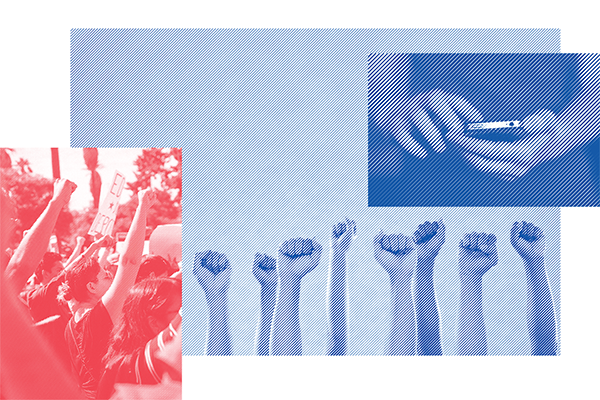
For public libraries, the government cannot restrict speech based on content or viewpoint, but restrictions on the route of a march or sound equipment might violate the First Amendment if they are unnecessary for traffic control or public safety, or if they interfere significantly with effective communication to the intended audience (2). Academic libraries at public institutions face similar constraints, while private institutions have greater latitude in establishing their policies.
Institutional Space Management
Libraries traditionally serve as spaces for quiet study, research, and contemplation. Demonstrations and protests are ordinarily not permitted in classrooms and other spaces of instruction; libraries or other spaces designated for study, quiet reflection, and small group discussion (3). This restriction is based on the fundamental function of libraries rather than content-based censorship.
The concept of designated protest areas has emerged as one approach to managing expressive activities. Free-speech zones generally limit protest activity to one or more designated areas on a campus, restricting such activity in all other areas. University officials claim free-speech zones are necessary to prevent 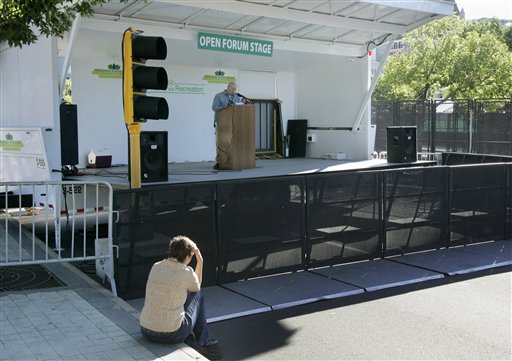 disruption of classes and that the policies are content-neutral time, place, and manner restrictions (4). However, these restrictions must be carefully crafted to avoid constitutional violations.
Balancing Access and Safety
Libraries must maintain their primary function of providing equitable access to information and services while ensuring patron and staff safety during periods of unrest. This balance requires libraries to develop comprehensive policies that address various scenarios while respecting constitutional protections.
Safety considerations become paramount when protests escalate or when counter-demonstrations emerge. Library administrators must assess whether continued operations serve the public interest or pose unacceptable risks to persons or property. Emergency closure protocols should be established in advance, with clear criteria for when such measures become necessary.
Staff Training and Preparedness
Library staff require training on how to respond to protest situations professionally and legally. This includes understanding when to contact law enforcement, how to document incidents, and methods for de-escalating tensions while maintaining neutrality. Staff should be familiar with institutional policies regarding protesters, media representatives, and general public access during contentious periods.
Documentation procedures are essential for potential legal proceedings and policy refinement. Accurate records of incidents, decisions made, and outcomes help libraries demonstrate compliance with constitutional requirements and institutional policies.
Collection Development and Intellectual Freedom
During periods of civil unrest, libraries may face increased scrutiny regarding their collections and programming. Libraries protect the right to receive information, a concept in First Amendment jurisprudence that can protect against some book banning and Internet filtering (5). The American Library Association’s intellectual freedom principles provide guidance for maintaining professional standards despite external pressure.
Libraries must resist efforts to remove materials based solely on political controversy or community pressure. Professional collection development policies should guide decisions about acquisitions and retention, ensuring that diverse viewpoints remain accessible to the public.
Community Relations and Communication
Clear communication with the community about library policies, services, and any operational changes becomes crucial during periods of unrest. Libraries should proactively engage with local officials, community leaders, and patron groups to explain their role and limitations during protests.
Transparency in policy application helps maintain public trust and reduces confusion about what activities are permitted on library premises. Regular updates through multiple communication channels ensure that accurate information reaches diverse community segments.
Technology and Digital Services
Modern libraries must consider how digital services and online resources factor into protest-related activities. This includes managing online access to

Los Angeles Public Library Closes Three Branches Due to Escalated Protests Against ICE Raids
controversial materials, handling requests for meeting room reservations by activist groups, and maintaining digital privacy protections for patrons researching sensitive topics.
Social media policies should address how libraries communicate about current events and protests while maintaining institutional neutrality. Guidelines for staff social media use help prevent the perception of institutional bias.
Libraries’ responsibilities during protests and civil unrest require careful attention to constitutional law, institutional mission, and community needs. Successful navigation of these challenges depends on planning, clear policies, staff training, and consistent application of professional standards. By maintaining their commitment to intellectual freedom while ensuring public safety, libraries can continue serving their communities even during periods of significant social tension.
Sources
- American Library Association. “Responding to and Preparing for Controversial Programs and Speakers Q&A.” https://www.ala.org/advocacy/intfreedom/controversialprogramsqa
- American Civil Liberties Union. “Protesters’ Rights.” February 25, 2019. https://www.aclu.org/know-your-rights/protesters-rights
- Harvard Library. “Frequently Asked Questions: Protests in Libraries.” https://library.harvard.edu/frequently-asked-questions-protests-libraries
- The First Amendment Encyclopedia. “Free Speech Zones.” March 31, 2025. https://firstamendment.mtsu.edu/article/free-speech-zones/
- The First Amendment Encyclopedia. “Libraries and Intellectual Freedom.” July 2, 2024. https://firstamendment.mtsu.edu/article/libraries-and-intellectual-freedom/