
The National Archives: Purpose, Functions, and Recent Developments
 The United States National Archives and Records Administration (NARA) serves as the nation’s record keeper, preserving and providing access to the federal government’s historical documents and materials. Established in 1934 during President Franklin D. Roosevelt’s administration, NARA’s holdings date back to 1775, capturing the rich tapestry of American history (1).
Mission and Purpose
NARA’s mission is to “preserve, protect, and share the historical records of the United States to promote public inquiry and strengthen democratic participation” (2). This mission underscores the belief that an informed citizenry is vital for a robust democracy. By providing access to government records, NARA enables Americans to learn about their nation’s history, ensuring transparency and accountability in governance.
Functions and Responsibilities
As an independent federal agency, NARA oversees the management of all federal records. Its responsibilities include preserving documents, microfilms, photographs, motion pictures, and electronic media. These records are organized into “record groups” that reflect the governmental department or agency from which they originated (3).
One of NARA’s primary functions is to provide public access to these records. The National Archives Catalog offers archival descriptions of the permanent holdings of the federal government, including information on traditional paper holdings, electronic records, and artifacts. As of December 2012, the catalog comprised about 10 billion logical data records describing 527,000 artifacts, encompassing 81% of NARA’s records (3).
Genealogists and family historians frequently utilize NARA’s resources. Census records, among the most requested documents, date back to 1790 and often contain valuable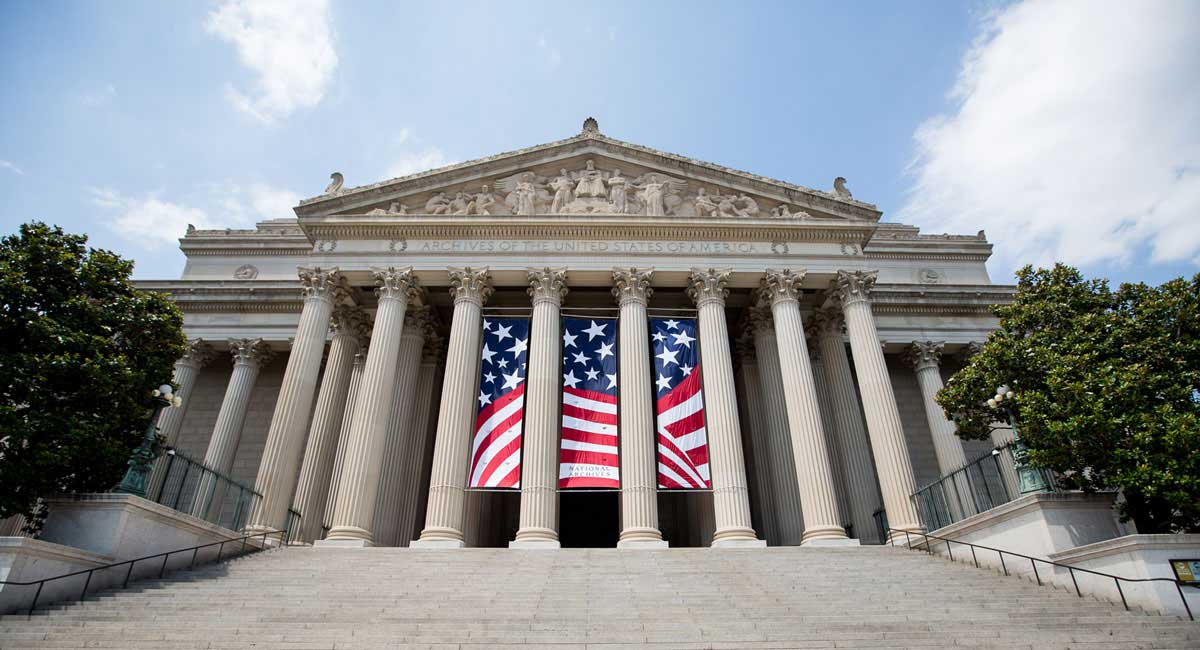 information such as addresses and names of family members. While many records are available online, individuals can request paper copies and microfilm scans. NARA collaborates with platforms like Ancestry.com, Fold3.com, and Familysearch.org to digitize records of genealogical interest, expanding access to ship passenger lists, military records, and more (3).
Historical Significance
Establishing the National Archives was pivotal in preserving America’s documentary heritage. Before its creation, federal records were stored in various locations, often leading to deterioration and loss. The centralized repository provided by NARA ensures the systematic preservation of essential documents, safeguarding the nation’s history for future generations.
Architect John Russell Pope designed the National Archives Building, incorporating symbols of American unity, freedom, protection, and democracy (4). This architectural masterpiece houses invaluable records and stands as a testament to the nation’s commitment to preserving its history.
Recent Developments
In recent years, NARA has been central to significant events and controversies. In May 2023, Colleen Shogan was appointed Archivist of the United States. Her tenure, however, faced challenges. In October 2024, reports emerged alleging that Shogan and her top advisers had censored numerous National Archives museum displays to de-emphasize negative parts of U.S. history. These actions reportedly included the removal of images of Martin Luther King Jr., Dolores Huerta, and Minnie Spotted-Wolf, as well as  information about the forced removal and incarceration of Japanese-Americans during World War II. Shogan defended her actions, stating her commitment to leading NARA without partisanship or ideology (3).
The situation escalated in February 2025 when President Donald Trump dismissed Colleen Shogan from her position as Archivist. This decision was reportedly linked to grievances regarding NARA’s involvement in the Justice Department’s investigation into his possession of classified documents at Mar-a-Lago. Sergio Gor, director of the White House Presidential Personnel Office, confirmed her removal but did not announce a successor. Deputy Archivist Jay Bosanko is expected to serve as the acting head in Shogan’s absence (5).
Amid these leadership changes, NARA has continued its efforts to engage the public. In January 2025, the agency called for volunteers capable of reading cursive handwriting to help transcribe over 300 million digitized documents. This initiative addresses the declining emphasis on cursive writing in education, as only 24 states currently mandate its teaching. Volunteers are crucial in making historical documents more accessible (6).
Additionally, NARA has faced ongoing challenges regarding the preservation of digital records. With the increasing reliance on electronic communication, federal agencies generate vast amounts of digital content, raising concerns about long-term accessibility. In late 2024, NARA announced new guidelines for federal agencies to improve digital recordkeeping practices, emphasizing the need for standardized 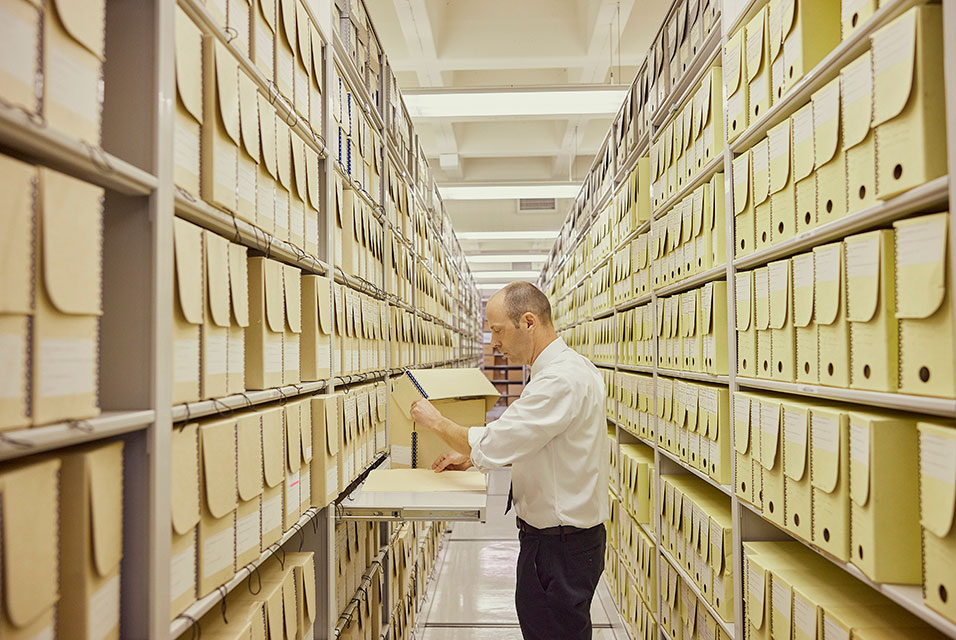 metadata and sustainable digital preservation techniques. The initiative aims to prevent the loss of critical government documents and ensure public access to digital records for future generations (3).
Another significant issue facing NARA is the ongoing debate over the accessibility of classified documents from past administrations. While the agency has worked to declassify millions of records, some historians and transparency advocates argue that the process remains too slow and restrictive. In December 2024, a coalition of historians and journalists filed a lawsuit against NARA, demanding faster declassification of Cold War-era records, particularly those related to U.S. foreign policy and intelligence operations. The lawsuit has reignited discussions about balancing national security and the public’s right to know (3).
The United States National Archives and Records Administration is indispensable in preserving the nation’s history. Through its meticulous efforts to safeguard and provide access to federal records, NARA ensures that the American public can engage with their collective past, fostering transparency, accountability, and informed democratic participation. Despite facing recent challenges and controversies, the agency remains steadfast in its mission to protect and share the historical records of the United States.
Sources
- National Archives Foundation. “About The Archives.” https://archivesfoundation.org/about-the-archives/
- National Archives and Records Administration. “Mission, Vision and Values.” https://www.archives.gov/about/info/mission
- National Archives and Records Administration. “National Archives and Records Administration.” https://en.wikipedia.org/wiki/National_Archives_and_Records_Administration
- National Archives and Records Administration. “Inside the National Archives Building.” https://artsandculture.google.com/story/inside-the-national-archives-building-u-s-national-archives/kwUB_Au-BcrKIw?hl=en
- Politico. “Trump fires National Archives chief.” https://www.politico.com/news/2025/02/07/trump-fires-national-archives-chief-00203246
- New York Post. “Reading cursive is now a ‘superpower’: National Archives seeks help to transcribe 300 million documents.” https://nypost.com/2025/01/17/lifestyle/reading-cursive-is-now-a-superpower-national-archives-seeks-help-to-transcribe-300-million-documents/