
Top 10 Reasons Librarians Experience Burnout
Librarians have long been viewed as stewards of knowledge, quiet champions of literacy, and pillars of their communities. Yet behind the calm facades of library desks and stacks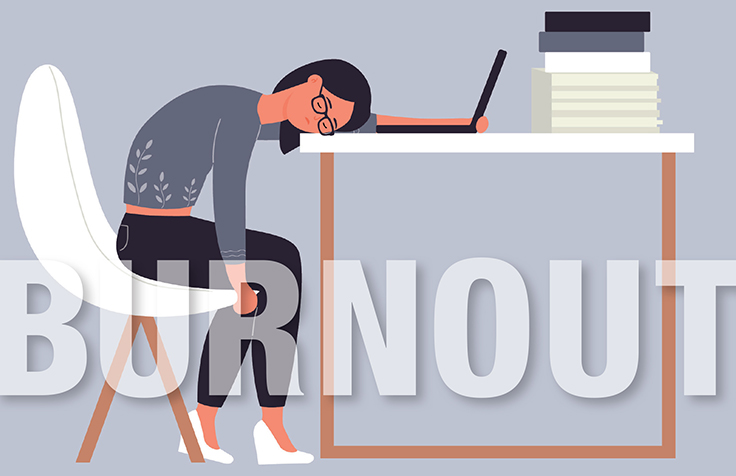 of books, a crisis is brewing. Burnout among librarians has reached alarming levels, with research suggesting that roughly half of all library workers experience significant symptoms of exhaustion, cynicism, and diminished professional efficacy (1). This phenomenon spans all library types—public, academic, school, and special libraries—and affects workers regardless of their official titles or years of experience.
Understanding why librarians burn out requires examining both systemic workplace issues and the unique cultural expectations placed on the profession. From excessive workloads to the burden of “vocational awe,” librarians face a perfect storm of stressors that threaten both individual well-being and the profession’s future.
1. Vocational Awe and the Expectation of Selfless Service
One of the most insidious contributors to librarian burnout is the concept of “vocational awe,” a term coined by  scholar Fobazi Ettarh in 2018 (2). This describes the belief system that frames librarianship as a sacred calling rather than a profession, suggesting that libraries are inherently good institutions beyond critique. When work becomes framed as a grand mission of literacy and freedom, advocating for basic needs like a complete lunch break can feel petty, and taking a mental health day can feel shameful (2).
This mindset directly correlates with problems like low salaries and job creep (2). Librarians identify with a strong sense of vocation rather than viewing their work as merely an occupation, which entails making do with less (1). When institutions continually cut budgets without reducing expectations, those committed to service push themselves to burnout rather than take a stand against unrealistic expectations.

https://www.grtech.com/blog/understanding-vocational-awe
2. Unsustainable Workloads and Chronic Understaffing
The most significant stressor for librarians appears to be overall workload (3). Library workers consistently report being stretched too thin, managing multiple roles simultaneously without adequate support. Workload issues in libraries often arise from staffing shortages, budget cuts, or increased demands without commensurate increases in resources or personnel (4).
The problem intensifies when colleagues call out sick. Without sufficient staff to cover absences, remaining workers face impossible choices  between taking needed time off and abandoning overwhelmed coworkers. This creates a vicious cycle in which burnout symptoms, such as absenteeism, exacerbate the very conditions that cause burnout (1).
3. Lack of Autonomy and Control
A lack of autonomy and participation in decision-making processes can lead to feelings of helplessness (4). Research on academic liaison librarians found that lack of personal agency is the primary contributor to burnout (5). Librarians frequently face strict guidelines or bureaucratic constraints that limit their control over budget allocations, program choices, workspace design, and professional activities (4).
This lack of control becomes particularly damaging when librarians must enforce policies they personally disagree with, such as restrictions on information access or decisions about which books to provide or which community groups can use meeting rooms (4). The inability to exercise professional judgment erodes job satisfaction and accelerates burnout.
4. Inadequate Recognition and Compensation
Despite requiring advanced degrees and specialized skills, librarians consistently face under compensation relative to comparable professions. Librarianship has a long history as a predominantly female profession, which is reflected in the ways librarians are treated, including gendered workplace expectations and social interactions (1). Many librarians report that their efforts are not adequately recognized or rewarded through salary increases, career advancement opportunities, or institutional acknowledgment (4).
The problem extends beyond money to encompass respect. In academic settings, librarians often lack the status afforded to teaching faculty despite performing similar educational roles (1). This chronic undervaluation communicates to librarians that their work—and, by extension, they themselves—matters less than that of other professionals.
5. Book Challenges, Censorship, and Political Attacks
In recent years, librarians have found themselves on the front lines of culture wars. The number of unique titles targeted for censorship surged by 65% from 2022 to 2023, 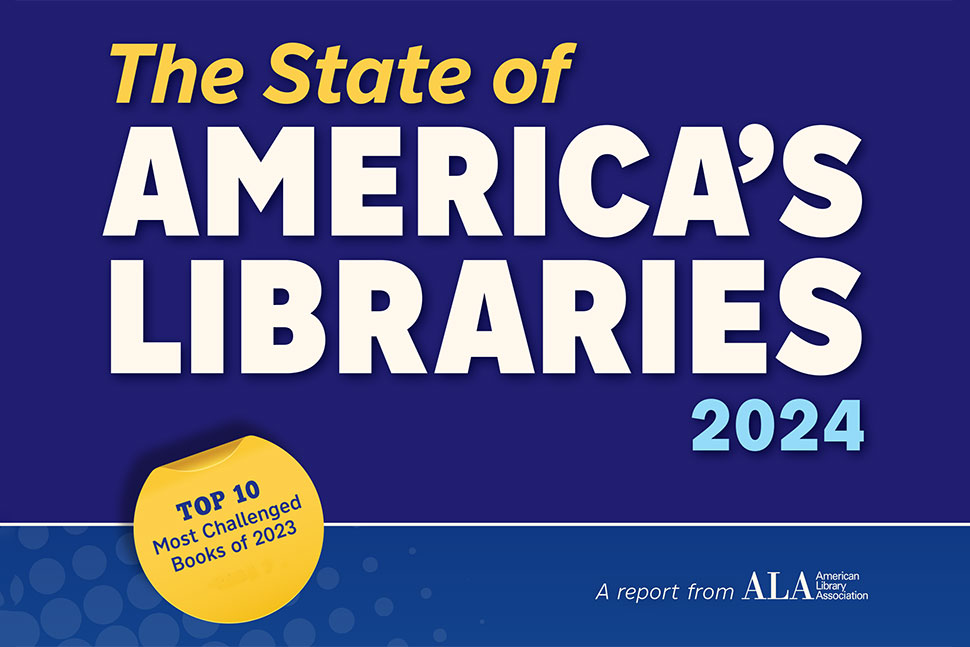 reaching the highest levels ever documented by the American Library Association (6). In 2024 alone, 2,452 unique book titles were targeted for censorship, with 72% of demands originating from organized pressure groups and government entities (7).
Many librarians face criticism and threats to their livelihood and safety as they defend intellectual freedom (8). School librarians, in particular, report feeling under siege, with some facing criminal investigations, wanted posters featuring their faces, and threats of arrest for refusing to remove books (9). This constant stress of defending professional values against coordinated attacks creates sustained trauma that contributes significantly to burnout.
6. Values Misalignment with Institutional Policies
A mismatch between an individual’s values and the job’s demands can erode one’s sense of purpose and commitment (4). When librarians must compromise their core beliefs—such as principles of intellectual freedom, equal access to information, or service to all community members—the resulting cognitive dissonance can cause profound distress.
This becomes especially damaging when institutional policies contradict the professional ethics librarians were trained to uphold. Being forced to restrict access to information or exclude certain patron groups violates the fundamental mission that drew many people to librarianship in the first place, leading to moral injury and accelerated burnout.
7. Emotional Labor and Public Service Stress
As a service profession, librarianship requires substantial emotional labor. Librarians must maintain composure and professionalism while dealing with difficult patrons, managing conflict, and responding to diverse needs—from technology assistance to crisis intervention. Failing social infrastructure in communities means that everyone expects the library to provide everything, creating immense expectations that continually grow (1).
Public librarians increasingly serve as de facto social workers, helping people experiencing homelessness, addiction, mental health crises, and poverty—all without formal training or adequate support systems. This role expansion, often referred to as “mission creep,” places librarians in emotionally taxing situations that their professional preparation did not address.
8. Poor Management and Dysfunctional Organizational Culture
Factors related to burnout include poor communication, ineffective management, passive-aggressive workplaces, and poor work-life culture (3). When managers fail to invest in staff wellbeing, monitor workload distribution, or create channels for open communication, burnout flourishes.
Research on academic libraries specifically identifies absent leadership, poor management practices, and continual downsizing as creating cultures of overwork (10). Without supportive supervision, clear expectations, and meaningful investment in professional development, librarians feel isolated and undervalued, accelerating their path to exhaustion.
9. The Gendered Nature of Library Work
Female-identified librarians are likely working a second shift, referring to domestic labor that traditionally falls disproportionately on women (1). Research indicates higher rates of burnout among female librarians, particularly those aged 35-44 (1), in which gender-based expectations regarding caregiving, emotional labor, and self-sacrifice compound on workplace stressors.
 The stereotype of librarians as nurturing “mother figures” rather than skilled professionals limits how society values and compensates their work (11). This dynamic perpetuates lower salaries and fewer opportunities for advancement while simultaneously expecting librarians to assume unlimited additional responsibilities without complaint.
10. Pandemic-Era Trauma and Unreasonable Safety Expectations
The COVID-19 pandemic crystallized many existing problems while adding new stressors. Many librarians were expected to work in person even when they felt unsafe, revealing the limits of vocational devotion (1). The pandemic underscored that work can’t love you back and that institutions will continue to operate regardless of whether individual workers are present (1).
Library workers also faced angry patron responses when enforcing mask and vaccine mandates, experiencing abuse similar to that faced by restaurant workers, nurses, and flight attendants (1). The trauma of these confrontations, combined with the general stress of operating public services during a health crisis, created lasting impacts on mental health and job satisfaction.
Moving Forward: Systemic Solutions Required
To truly combat burnout, we must stop tiptoeing around the real problems and normalize reasonable workloads, adequate staffing, and a living wage (12). Individual self-care strategies, while valuable, cannot solve structural workplace problems. Real change requires management commitment to fair workload distribution, meaningful recognition systems, strong anti-retaliation policies for those who speak up, and sufficient staffing levels.
The library profession also needs major cultural shifts. We must move beyond vocational awe to recognize librarianship as a profession deserving of professional compensation, working conditions, and respect. This means empowering librarians to set boundaries, decline unreasonable demands, and prioritize their well-being without guilt or fear of being labeled insufficiently devoted.
Burnout among librarians is not an individual failing but a systemic problem requiring systemic solutions. Only by acknowledging and addressing these ten core causes can we build a sustainable future for libraries and the professionals who staff them.
Sources
- Oder, N. (2022, March 7). Feeling the Burnout. Library Journal. https://www.libraryjournal.com/story/Feeling-the-Burnout
- Ettarh, F. (2018, January 10). Vocational Awe and Librarianship: The Lies We Tell Ourselves. In the Library with the Lead Pipe. https://www.inthelibrarywiththeleadpipe.org/2018/vocational-awe/
- Illinois Library Association. (n.d.). Library Burnout: It’s Common and Okay to Admit! https://www.ila.org/publications/ila-reporter/article/137/library-burnout-it-s-common-and-okay-to-admit
- Newman, B. L. (2024, May 31). Causes of Burnout in Libraries. Librarian by Day. https://librarianbyday.net/2024/05/31/causes-of-burnout-in-libraries/
- Nardine, J. (2019, May 3). The State of Academic Liaison Librarian Burnout in ARL Libraries in the United States. College & Research Libraries. https://crl.acrl.org/index.php/crl/article/view/17398/19522
- American Libraries Magazine. (2024, April 8). ALA Releases State of America’s Libraries 2024 Report. https://americanlibrariesmagazine.org/blogs/the-scoop/ala-releases-state-of-americas-libraries-2024-report/
- Unite Against Book Bans. (2025, April 16). 2024 Censorship Numbers. https://uniteagainstbookbans.org/2024-book-bans/
- American Libraries Magazine. (2024, September 24). ALA Releases Preliminary Data on 2024 Book Challenges. https://americanlibrariesmagazine.org/blogs/the-scoop/ala-releases-preliminary-data-on-2024-book-challenges/
- PBS NewsHour. (2024, October 6). The fight against book bans by public school librarians shown in new documentary. https://www.pbs.org/newshour/show/the-fight-against-books-bans-by-public-school-librarians-shown-in-new-documentary
- Gadsby, J. (2023, November 1). Review of Academic Librarian Burnout: Causes and Responses. College & Research Libraries. https://crl.acrl.org/index.php/crl/article/view/26106/34029
- GR Tech. (n.d.). The Librarian’s Catch-22: Understanding Vocational Awe and Its Stereotypes. https://www.grtech.com/blog/understanding-vocational-awe
- ALSC Blog. (2024, November 21). Feeling Burnout? You’re Not Alone. https://www.alsc.ala.org/blog/2024/11/feeling-burnout-youre-not-alone/