5 Essential Communication Strategies for the Modern Library Workplace
Fellow information guardians and keepers of knowledge! In our rapidly evolving library landscape, where hybrid work models meet digital transformation and patron expectations continue to rise, clear communication has never been more crucial. Whether you’re coordinating with cataloging colleagues, presenting to library boards, or navigating the delicate art of patron assistance, these five evidence-based strategies will help you master workplace communication in 2025.
1. Choose Your Channel Wisely (The Medium is the Message)
The golden rule of modern workplace communication? Selecting the right medium based on the context can significantly impact the effectiveness of your message. With employees spending up to 20 hours weekly on digital communication tools, we’re drowning in channels – but that doesn’t mean we should use them all equally.
For quick updates about collection changes or policy clarifications, instant messaging works beautifully. Do you need to discuss budget allocations or strategic planning? That deserves a face-to-face meeting (or video call for our remote team members). Complex research requests or detailed procedure explanations? Email remains your friend, allowing recipients to process and reference information at their own pace.
The library world has adopted asynchronous communication as a key trend, particularly in 2025, enabling team members to communicate and collaborate without being online simultaneously. This is particularly valuable when coordinating between different library departments or managing patron communications across multiple service points.
2. Embrace the Power of Conciseness (Less is More)
Here’s a statistic that might surprise you: industry professionals have achieved communication successes in 2024 through more concise messaging. In our information-rich profession, we sometimes forget that clarity often comes through brevity, not exhaustive detail.
This approach is particularly vital given that 43% of survey respondents have experienced burnout partly due to communication overload. By respecting your colleagues’ cognitive bandwidth, you’re not just communicating more effectively – you’re contributing to a healthier workplace culture.
3. Master Multi-Modal Communication (One Size Doesn’t Fit All)
Libraries serve incredibly diverse communities, and our internal teams are equally varied in their communication preferences and needs. The most effective library communicators understand that different situations, personalities, and cultural backgrounds require different approaches.
Some team members process information more effectively through written instructions, while others prefer verbal explanations with the opportunity to ask questions. When training new staff on database searching techniques, consider providing both a quick reference guide and a hands-on demonstration. When communicating with library stakeholders, adapt your style to your audience – what works for the teen advisory board won’t necessarily resonate with the library foundation.
Corporate internal communications trends focus on promoting mental health awareness and providing resources to support employee well-being, and libraries are no exception. Being mindful of how our communication style affects others’ stress levels and job satisfaction is part of our professional responsibility.
4. Practice Active Listening and Responsive Dialogue
Communication isn’t just about sending messages – it’s about creating meaningful exchanges. In library settings, whether you’re in a team meeting discussing collection weeding or helping a patron navigate research challenges, active listening transforms good communication into exceptional service.
 This means putting down your phone during conversations, asking clarifying questions, and summarizing what you’ve heard to ensure understanding. When a colleague expresses frustration about a new cataloging system, resist the urge to offer solutions immediately. Instead, listen fully, acknowledge their concerns, and then collaborate on problem-solving approaches.
The library profession has always valued intellectual freedom and diverse perspectives. Extending this principle to workplace communication means creating space for different viewpoints and communication styles, recognizing that our best solutions often emerge from thoughtful dialogue rather than one-way information delivery.
5. Leverage Technology Thoughtfully (Digital Tools as Communication Enhancers)
Internal communications must adapt to new technology, hybrid office environments, and shifting work attitudes to remain competitive. For libraries, this means thoughtfully integrating digital communication tools without losing the personal touch that defines exceptional library service.
Consider how project management platforms can streamline collection development workflows, how shared digital workspaces can enhance team collaboration on programming initiatives, and how video conferencing can connect branch libraries for professional development and training. The key is using technology to enhance human connection, not replace it.
However, be mindful of digital fatigue. Not every update needs a separate notification, and not every question requires an immediate response. Establishing clear expectations about response times and communication protocols helps everyone manage their digital workload more effectively.
The Bottom Line: Communication as Professional Practice
Clear workplace communication isn’t just a soft skill – it’s a core professional competency that directly impacts patron service, team effectiveness, and personal job satisfaction. In library management, clear communication 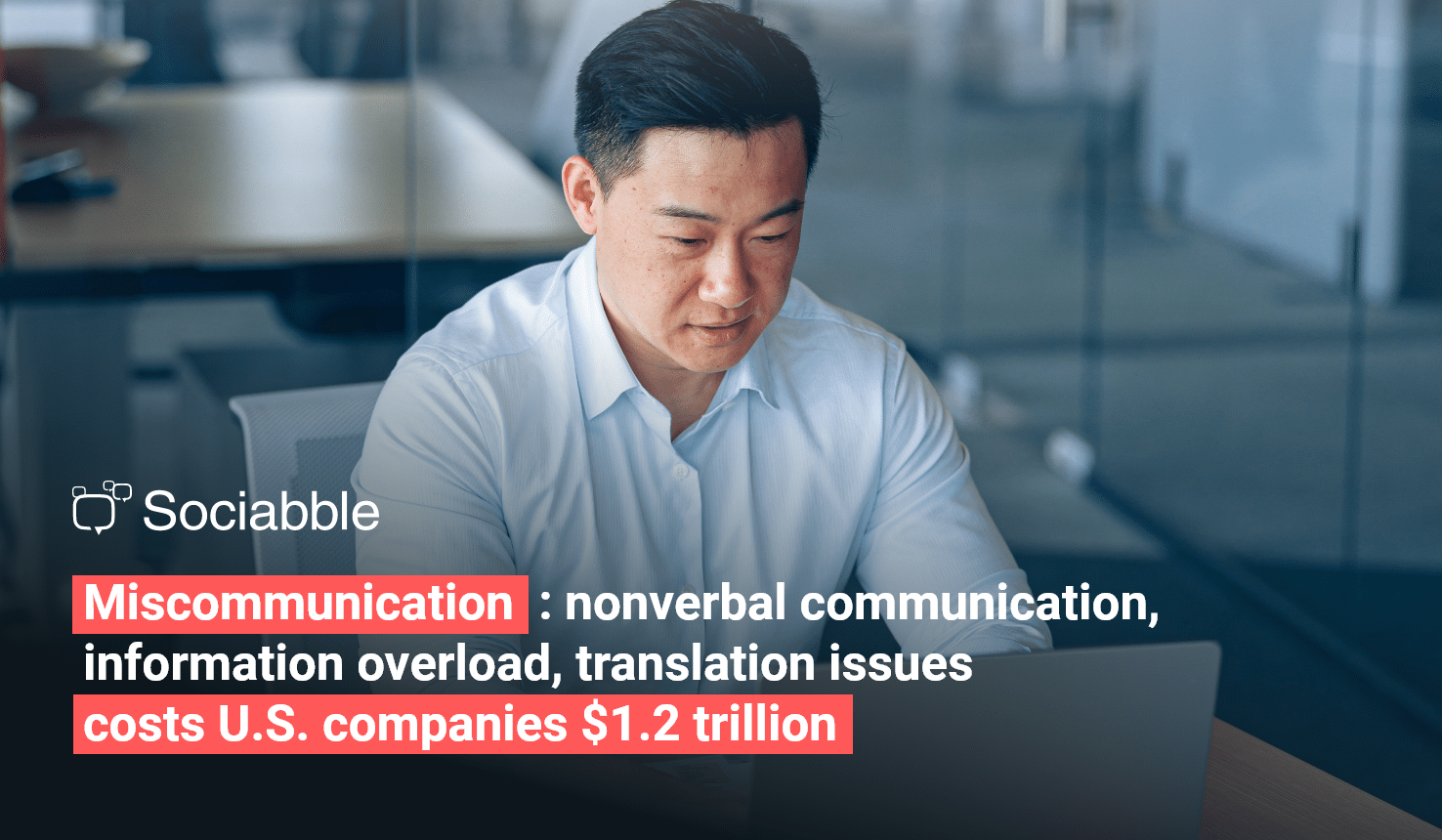 between staff serves as the foundation for organizational success.
As library professionals, we’re already skilled at making complex information accessible to diverse audiences. By applying these same principles to our workplace interactions – choosing appropriate channels, embracing conciseness, adapting to different communication styles, practicing active listening, and leveraging technology thoughtfully – we create more effective, enjoyable, and productive library environments for everyone.
Remember, every email sent, every team meeting facilitated, and every difficult conversation navigated is an opportunity to model the transparent, respectful, and inclusive communication that makes libraries such vital community institutions.
Sources
- Axios HQ. (2025). 8 internal communication trends shaping workplaces in 2025. Retrieved from https://www.axioshq.com/insights/internal-communication-trends
- Asana. (2025, March 27). 12 Tips for Effective Communication in the Workplace [2025]. Retrieved from https://asana.com/resources/effective-communication-workplace
- Pumble. (2025). Workplace Communication Statistics in 2025. Retrieved from https://pumble.com/learn/communication/communication-statistics/
- Passive Secrets. (2025, March 18). 120+ Huge Workplace Communication Statistics & Trends 2025. Retrieved from https://passivesecrets.com/workplace-communication-statistics/
- Ragan Communications. (2024, December 12). 7 internal communication trends shaping success in 2025. Retrieved from https://www.ragan.com/7-internal-communication-trends-shaping-success-in-2025/
- Contact Monkey. (2025, March 17). Top 10 Internal Communications Trends for 2025. Retrieved from https://www.contactmonkey.com/blog/internal-communication-trends
- Sociabble. (2025, June 12). 15 Workplace Communication Statistics You Need to Know. Retrieved from https://www.sociabble.com/blog/employee-communications/communications-statistics/
LIS Academy. (2024, March 19). The Role of Communication in Library Management: Enhancing Staff Coordination and Organizational Success. Retrieved from https://lis.academy/public-library-system-services/role-communication-library-management-success/