Libraries Empower Communities Through Digital Learning: Leveraging Agile Learning Resources
Libraries, by nature, have always been learning-centric and focused on improving the community’s collective minds. This included scrolls of information in ancient times and, in modern times, access to professional development resources from the library portal. Both then and now, the library plays a vital role in providing access to those who otherwise wouldn’t have it. In today’s rapidly evolving job market, continuous learning and skill development have become essential for professional success. Traditionally repositories of knowledge, public libraries are transforming into dynamic centers for workforce development and lifelong learning. By integrating agile learning resources such as Gale Presents: Udemy into their service offerings, libraries empower patrons with access to valuable professional development opportunities that might otherwise be financially out of reach. This evolution represents a critical expansion of the library’s role in supporting community growth and economic development.
The Evolution of Libraries as Learning Centers
The modern library has evolved far beyond its traditional role as a book repository. Today’s libraries function as community hubs for digital literacy, career advancement, and skills development. According to the American Library Association’s 2023 State of America’s Libraries Report, 88% of Americans believe libraries play an important role in promoting digital literacy and providing technology access [1].
This transformation comes at a crucial time. The World Economic Forum’s Future of Jobs Report 2023 estimates that 44% of workers’ skills will be disrupted in the next five years, with both technical and cross-functional skills growing in importance [2]. Libraries are uniquely positioned to address this skills gap through their democratic access model and community-centered approach.
Understanding Agile Learning Resources
Agile learning resources refer to flexible, on-demand educational platforms that allow users to pursue skill development at their own pace and according to their specific needs. These platforms typically feature:
- Self-paced learning modules
- Video-based instruction
- Interactive assessments
- Diverse subject offerings spanning technical and soft skills
- Certificates of completion
- Mobile accessibility
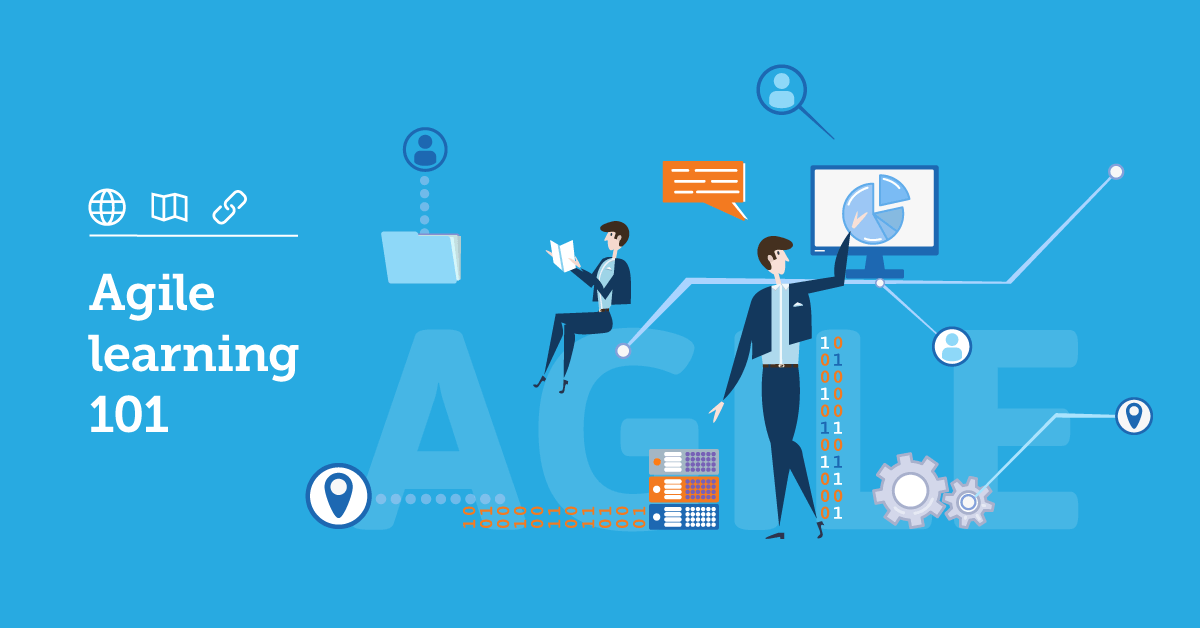 These characteristics make agile learning platforms ideal for adult learners juggling work, family, and education. The flexibility to learn anytime, anywhere removes many traditional barriers to continuing education.
Gale Presents: Udemy
Gale Presents: Udemy represents one of the most significant partnerships between public libraries and online learning platforms. Launched by Gale, a Cengage company, this service provides library patrons with free access to Udemy’s catalog of over 15,000 on-demand courses [3].
Udemy, founded in 2010, has established itself as a leading global marketplace for learning and teaching online, serving more than 57 million learners worldwide [4]. Through Gale Presents: Udemy, this valuable resource becomes freely available to library patrons, democratizing access to professional development opportunities.
The platform offers courses across a wide range of categories:
- Business development and entrepreneurship
- Software and technology skills
- Data science and analytics
- Personal development and wellness
- Design and creative skills
- Marketing and communication
A key advantage of Gale Presents: Udemy is its currency. The platform continuously updates its offerings to reflect emerging skills and technologies, ensuring library patrons have access to training that remains relevant in a rapidly changing job market.
Implementation Success Stories
Libraries implementing Gale Presents: Udemy have reported significant positive impacts on their communities. The San Diego Public Library system, which adopted the platform in 2021, saw over 8,000 course enrollments in the first six months, with particularly high uptake in technology and business courses [5].
Similarly, the Charlotte Mecklenburg Library in North Carolina reported that patrons who utilized their digital learning resources, including Gale Presents: Udemy, were 34% more likely to report positive career outcomes, such as securing new jobs or earning promotions [6].
These success stories highlight how libraries serve as equalizers, providing valuable professional development opportunities to community members regardless of economic status. As Ramiro Salazar, President of the Public Library Association, noted in a recent interview: “By offering these high-quality learning resources at no cost to patrons, libraries are fulfilling their mission of supporting lifelong learning while helping to build stronger local economies” [7].
Beyond Udemy: The Broader Ecosystem of Library Learning Resources
While Gale Presents: Udemy represents a significant offering, libraries are leveraging a variety of digital learning resources to support their communities. These include:
LinkedIn Learning (formerly Lynda.com)
Many libraries offer access to LinkedIn Learning’s extensive catalog of professional development courses. The platform’s in tegration with LinkedIn profiles allows learners to showcase completed courses directly on their professional profiles. The New York Public Library’s implementation of LinkedIn Learning has served over 30,000 unique users annually [8].
Universal Class
This platform offers over 500 online continuing education courses with real instructors and certificates of completion. Universal Class covers diverse subjects from accounting to writing essentials, making it a valuable complement to more technically-focused platforms [9].
LearningExpress Library
Specializing in test preparation and career certification, LearningExpress Library h elps patrons prepare for standardized tests, civil service exams, and professional certifications. This resource has proven particularly valuable for career changers and recent immigrants [10].
Coursera for Libraries
Launched in 2020, Coursera for Libraries provides access to thousands of courses from leading universities and companies. The pro gram specifically targets workforce recovery initiatives, helping displaced workers develop in-demand skills [11].
Implementation Challenges and Best Practices
Despite the clear benefits, libraries face several challenges when implementing digital learning resources:
Awareness and Marketing
Many patrons remain unaware of these valuable resources. Successful libraries have implemented targeted marketing campaigns, including social media outreach, community partnerships, and in-library promotions. The Toledo Lucas County Public Library increased usage of its digital learning resources by 47% after implementing a comprehensive awareness campaign [12].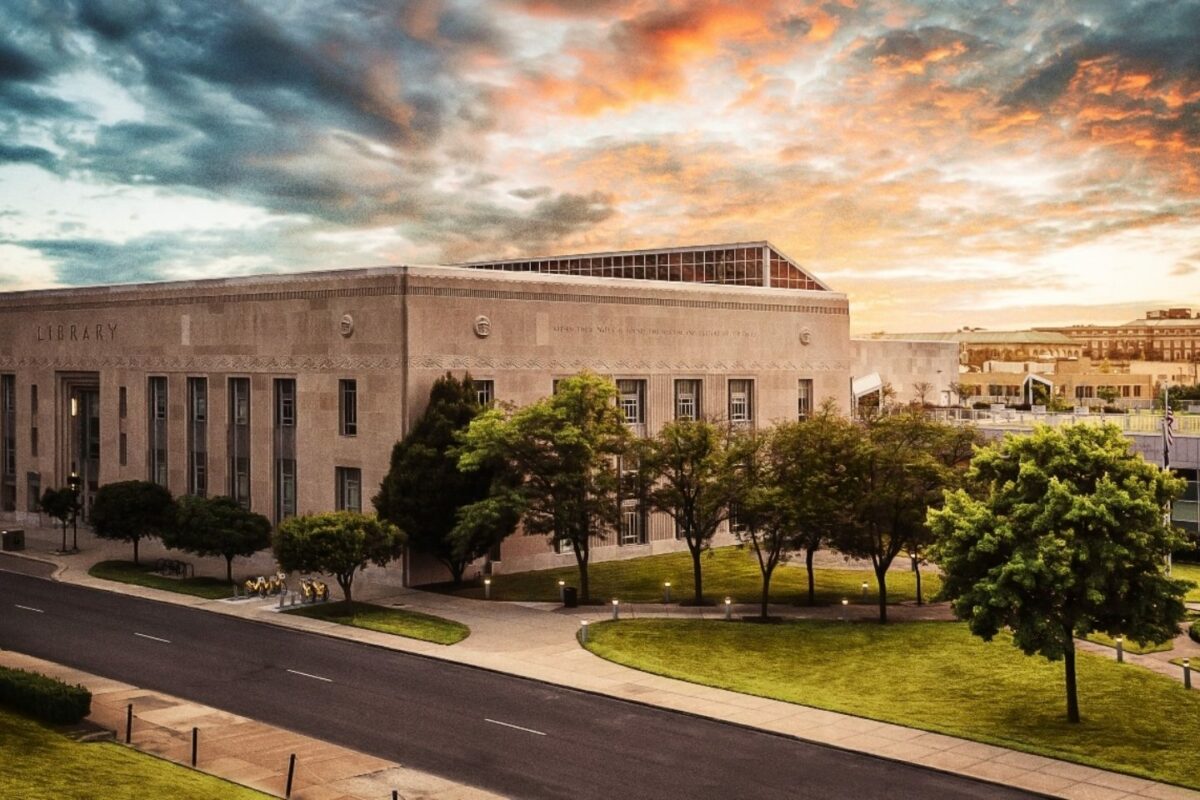
Digital Literacy Barriers
Accessing online learning platforms requires basic digital literacy skills that some patrons may lack. Forward-thinking libraries are addressing this by offering complementary digital literacy training and dedicated staff support for new users. The Digital Literacy Alliance reports that libraries providing such 
Measuring Impact
Demonstrating the value of these investments requires a robust impact assessment. Libraries leading in this area are tracking not just usage statistics but also conducting follow-up surveys to document career and educational outcomes. The Urban Libraries Council has developed a framework for measuring the economic impact of library learning resources that is being adopted nationwide [14].
The Future of Library Learning Resources
As we look to the future, several trends are emerging that will shape how libraries continue to evolve as centers for learning and skill development:
AI-Enhanced Learning
Artificial intelligence is being integrated into learning platforms to provide more personalized experiences. Libraries will increasingly offer resources that adapt to individual learning styles and needs.
Micro-Credentials and Badges
The shift toward skill-based hiring is elevating the importance of micro-credentials. Libraries are positioned to help patrons navigate this new landscape by providing access to platforms offering recognized credentials in specific skill areas.
Collaborative Learning Spaces
While digital resources provide flexibility, many learners benefit from community support. Forward-thinking libraries are creating collaborative learning spaces where patrons can work through online courses together, combining the benefits of digital resources with in-person community support.
The integration of agile learning resources like Gale Presents: Udemy into library offerings represents a significant evolution in how these institutions serve their communities. By providing free access to high-quality professional development opportunities, libraries are helping bridge the skills gap and create more resilient local economies.
As these resources continue to evolve, libraries that effectively implement, market, and measure the impact of digital learning platforms will play an increasingly vital role in workforce development and lifelong learning. In an era where continuous skill development is essential for economic stability, the public library’s transformation into a hub for agile learning may be one of its most important contributions to community wellbeing.
References
- American Library Association. (2023). State of America’s Libraries Report 2023. https://www.ala.org/news/state-americas-libraries-report-2023
- World Economic Forum. (2023). Future of Jobs Report 2023. https://www.weforum.org/reports/the-future-of-jobs-report-2023/
- Gale, A Cengage Company. (2023). Gale Presents: Udemy. https://www.gale.com/elearning/udemy
- Udemy. (2023). About Udemy. https://about.udemy.com/company/
- City Of San Diego City Planning Department. (2023). Fiscal Year 2023 Annual Report. https://www.sandiego.gov/sites/default/files/2025-02/development-impact-fees-annual-report-fiscal-year-2023.pdf
- New ARPA funding accelerates and amplifies digital literacy for those who need it most – Charlotte Mecklenburg Library Foundation. (n.d.). Charlotte Mecklenburg Library Foundation. https://foundation.cmlibrary.org/news/new-arpa-funding/
- Public Library Association. (2023). Digital Learning Resources in Public Libraries. https://www.ala.org/pla/resources/publications
- Research Guides: Career Change & Occupational Information: LinkedIn Learning – Lynda. (n.d.). https://libguides.nypl.org/career_change_and_occupational_information/lynda
- Universal Class. (2023). https://www.universalclass.com/index.htm
- EBSCO. (2023). LearningExpress Library. https://www.learningexpresshub.com/
- Coursera. (2023). Coursera for Universities https://www.coursera.org/campus
- Toledo Lucas County Public Library. (2022). Digital Resource Marketing Case Study. https://www.toledolibrary.org/research
- American Library Association. (n.d.). Digital Literacy. https://www.ala.org/pla/initiatives/digitalliteracy
- Urban Libraries Council. (2023). Measuring Economic Impact: A Framework for Public Libraries. https://www.urbanlibraries.org/resources