
AI Literacy in the Future of Libraries: Adapting to a New Information Landscape
In the rapidly evolving digital landscape, libraries stand at a critical crossroads. As artificial intelligence transforms how information is created, accessed, and evaluated, libraries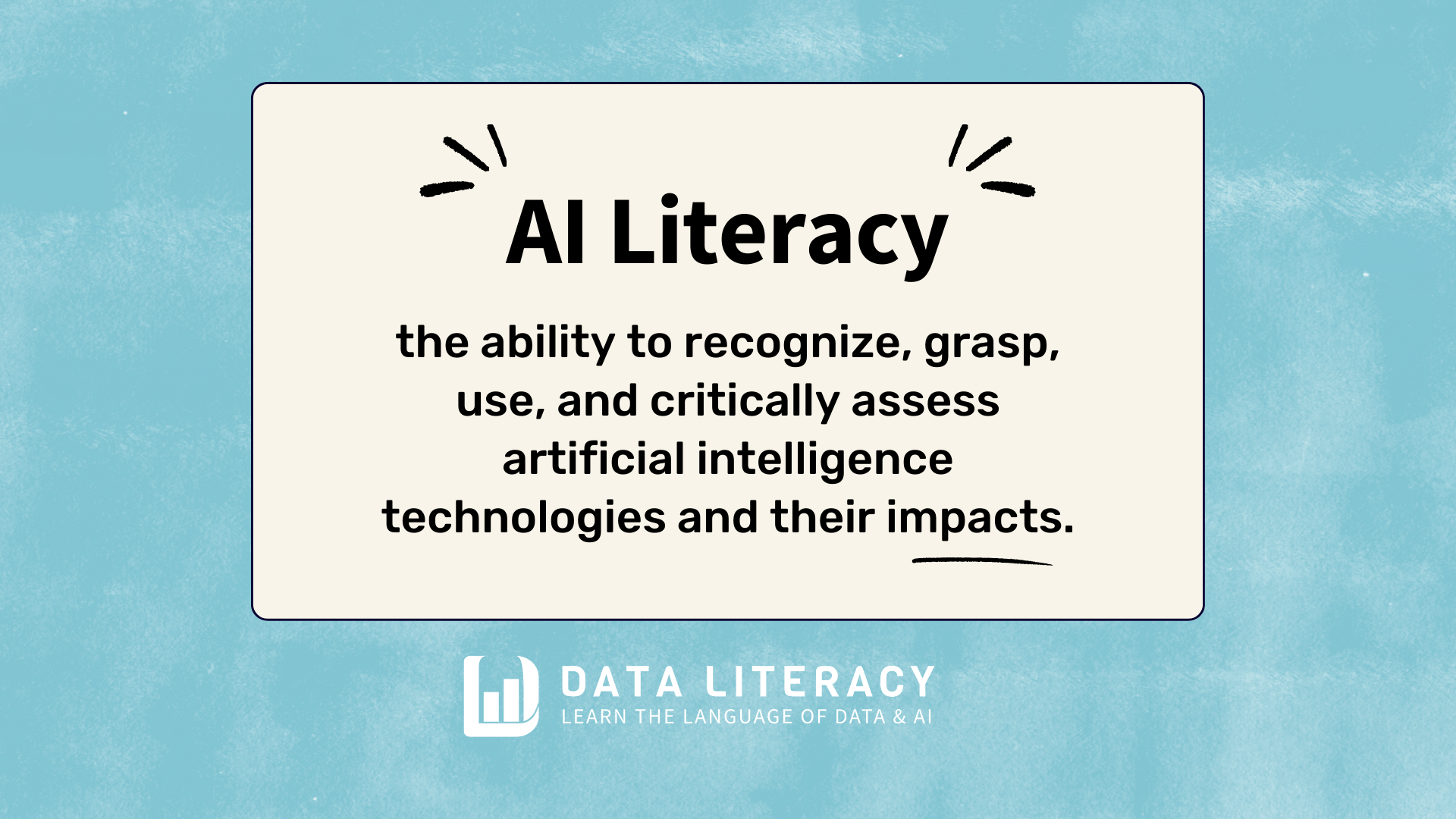 must expand their traditional role as information stewards to include AI literacy education. This shift represents both a challenge and an opportunity for libraries to remain relevant in the 21st-century information ecosystem.
The Emerging AI Literacy Gap
AI literacy—the ability to understand, critically assess, and effectively utilize AI tools—quickly becomes essential in education,  employment, and civic participation [1]. Yet a significant gap exists between those with access to AI knowledge and those without. A 2023 Pew Research Center study found that 75% of Americans have heard of ChatGPT, and only 18% have used it, skewing heavily toward higher education and income levels [2].
Libraries address this gap with their commitment to equitable information access. As Shannon Mattern, professor at The New School, notes, “Libraries have historically served as intermediaries between information technologies and communities, making them natural sites for cultivating AI literacy” [3].
Redefining Information Literacy for the AI Age
Traditional information literacy focuses on finding, evaluating, and using information effectively. AI literacy builds on this foundation but requires additional competencies. The Library of Congress’s Digital Strategy Office identifies several key components of AI literacy, including:
– Understanding AI capabilities and limitations
– Recognizing AI-generated content
– Critically evaluating AI outputs
– Ethical considerations in AI deployment
– Basic knowledge of how AI systems function [4]
These elements represent a significant expansion of traditional library educational missions. “We’re not just teaching people how to find information anymore,” explains Miguel Figueroa, former director of the American Library Association’s Center for the Future of Libraries. “We’re teaching them how to navigate an information landscape increasingly  shaped by non-human actors” [5].
Current Library Initiatives
Forward-thinking libraries have already begun implementing AI literacy programs. The University of Michigan Library has developed an “AI Literacy Framework” that integrates AI education into existing information literacy curricula [7].
These early adopters demonstrate how libraries can serve as community hubs for AI education. The San Francisco Public Library partnered with local tech professionals to create “AI Labs”—dedicated spaces where patrons can experiment with AI tools under the guidance of trained staff [8]. This model combines access to technology with crucial educational support.
Challenges and Considerations
Despite these promising developments, libraries face significant challenges in embracing AI literacy education. Limited funding, technical expertise, and rapidly changing technology all pose obstacles. A 2023 survey of public libraries found that while 82% of librarians believed AI literacy was critical, only 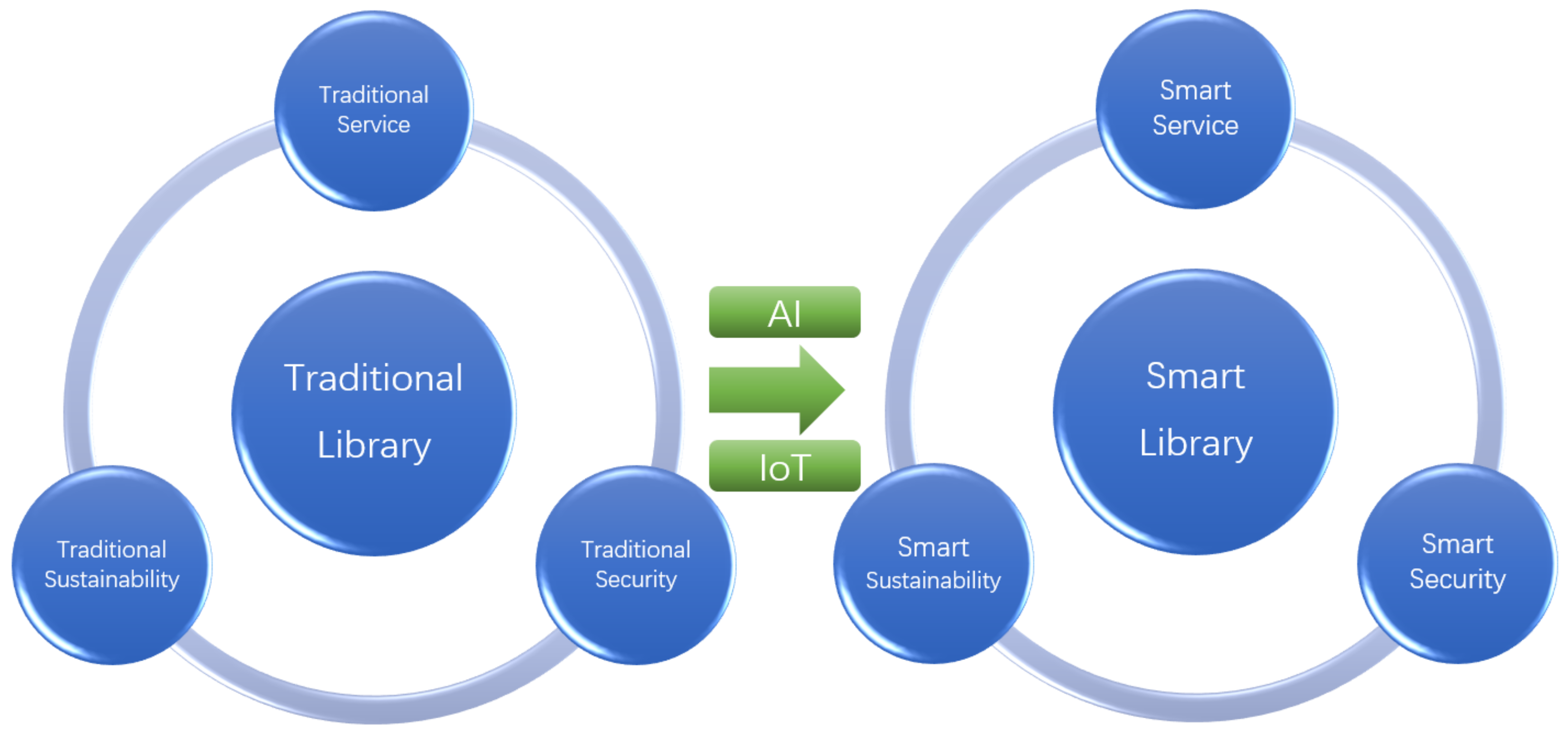 24% felt adequately prepared to teach it [9].
Additionally, libraries must navigate complex ethical questions. As Safiya Noble, author of “Algorithms of Oppression,” warns, “Libraries must teach not just how to use AI, but how to recognize and resist its potential to reinforce existing biases and power structures” [10]. This requires librarians to develop nuanced understandings of AI ethics and social impacts.
The Future Library: AI Partnership
The most successful libraries will likely develop a symbiotic relationship with AI rather than viewing it as competition. AI can handle routine tasks—cataloging, basic reference questions, content recommendations—freeing librarians to focus on higher-value services like specialized research assistance, community programming, and AI literacy education [11].
The New York Public Library’s experimental “AI Reference Assistant” demonstrates this partnership model. The system handles factual queries but refers complex questions to human librarians, creating a seamless experience that leverages AI efficiency and human expertise [12]. Communities can shape how AI is used in public institutions [13]. This vision positions libraries as passive adopters of AI and active participants in guiding its ethical implementation.
Preparing Librarians for the AI Era
Realizing this vision requires significant investment in librarian education. The American Library Association has begun updating its accreditation standards to include AI competencies for library science programs [14]. Meanwhile, professional development initiatives like the Library Futures Institute offer specialized training in AI literacy for practicing librarians [15].
 Some library systems have created dedicated AI specialist positions. The UC Berkeley Library’s “Emerging Technologies Librarian” focuses on technology education and integration [16]. This specialized role acknowledges that effective AI literacy education requires dedicated expertise.
As we navigate the complex relationship between human knowledge and artificial intelligence, libraries remain essential institutions—not despite technological change but because of it. By embracing AI literacy education, libraries can help ensure that the benefits of AI are known widely and that communities maintain agency in an increasingly automated world.
Sources
- Digital Media & Learning – MacArthur Foundation. (n.d.). MacArthur Foundation. https://www.macfound.org/programs/pastwork/learning/
- Beshay. (2024, April 14). What the data says about Americans’ views of artificial intelligence. Pew Research Center. https://www.pewresearch.org/short-reads/2023/11/21/what-the-data-says-about-americans-views-of-artificial-intelligence/
- Mattern, S. (2014). Library as infrastructure. Places, 2014. https://doi.org/10.22269/140609
- Digital Strategy | Library of Congress. (n.d.). The Library of Congress. https://www.loc.gov/digital-strategy/
- Big Ideas Come Together | American Libraries Magazine. (2016, November 3). American Libraries Magazine. https://americanlibrariesmagazine.org/blogs/the-scoop/big-ideas-come-together-future-of-libraries/
- Zulkarnain, I., & Abas, S. (2024). Fostering AI literacy in higher education: integrating generative AI and social annotation tools for critical engagement. quod.lib.umich.edu. https://doi.org/10.3998/jcms.18261332.0063.804
- Tutorial: Navigating AI, An Intro to AI Tools | San Francisco Public Library. (2025, May 10). https://sfpl.org/events/2025/05/10/tutorial-navigating-ai-intro-ai-tools
- Information Technology & Libraries. “National Survey on Artificial Intelligence in Public Libraries.” American Library Association, 2024. https://www.ala.org/sites/default/files/2024-07/PLA_Tech_Survey_Report_2024.pdf
- Noble, S. U. (2018). Algorithms of Oppression: How Search Engines Reinforce Racism. In Algorithms of Oppression (pp. 1–229). https://safiyaunoble.com/wp-content/uploads/2020/09/Algorithms_Oppression_Introduction_Intro.pdf
- Breeding, M. (2023, May 1). Perceptions 2023: an International Survey of Library Automation. Library Automation Survey 2022. https://librarytechnology.org/perceptions/2022/
- The New York Public Library announces participation in Department of Commerce consortium dedicated to AI Safety | The New York Public Library. (n.d.). The New York Public Library. https://www.nypl.org/press/new-york-public-library-announces-participation-department-commerce-consortium-dedicated-ai
- Enis, M. (n.d.). AI and the Public. Library Journal. https://www.libraryjournal.com/story/ai-and-the-public
- Council of the American Library Association & Committee on Accreditation. (2023). Standards for accreditation of Master’s programs in Library and Information Studies. https://www.ala.org/sites/default/files/2024-05/2023%20Standards%20for%20Accreditation%20of%20Master%27s%20Programs%20in%20Library%20and%20Information%20Studies.pdf
- LaFlamme, M. (2024, December 20). Library leaders plan for AI futures at Futurescape Libraries National Forum — Association of Research Libraries. Association of Research Libraries. https://www.arl.org/blog/library-leaders-plan-for-ai-futures-at-futurescape-libraries-national-forum/
- Associate University Librarian for Digital Initiatives and Information Technology – UC Berkeley Library. (n.d.). https://aprecruit.berkeley.edu/JPF04703