
Human Resource Issues and Library Directors: Best Practices in Brief
Library directors primarily manage human resources within their respective libraries, including navigating recruitment, retention, training, and fostering a positive work environment. Since library staff directly impact the quality of service and community engagement, it’s essential to address common HR issues proactively. This article explores some of the primary challenges faced by library directors and outlines the best practices they can utilize to overcome them.
1. Recruitment and Retention
Challenges:
Attracting and retaining qualified staff is library directors’ most significant HR challenge. In a competitive job market, libraries may struggle to offer salaries that match those of other industries, leading to higher turnover rates. Many public libraries identified staff retention as a significant challenge, emphasizing the need for effective recruitment strategies.
Best Practices:
- Competitive Compensation: Despite budget limitations, offering competitive salaries is essential for attracting and retaining qualified staff. Benchmarking salary scales against similar institutions and adjusting compensation can help libraries remain competitive in attracting top talent [1].
- Professional Development: Library directors should invest in the continuous development of their staff. Offering training programs, workshops, and conference opportunities boosts staff morale and increases retention. Training is a key factor in staff satisfaction, especially when employees have opportunities for skill development in new technologies.
- Creating a Positive Work Environment: Fostering a culture of respect, inclusion, and collaboration is significant in staff retention. A supportive work environment where employees feel valued contributes to long-term engagement [2].
2. Training and Development
Challenges:
With the rapid pace of technological change in libraries, ensuring that staff continually train on new systems, software, and service models is critical. However, due to time and budgetary constraints, library directors often face challenges providing adequate employee training. This gap in skills development can hinder library 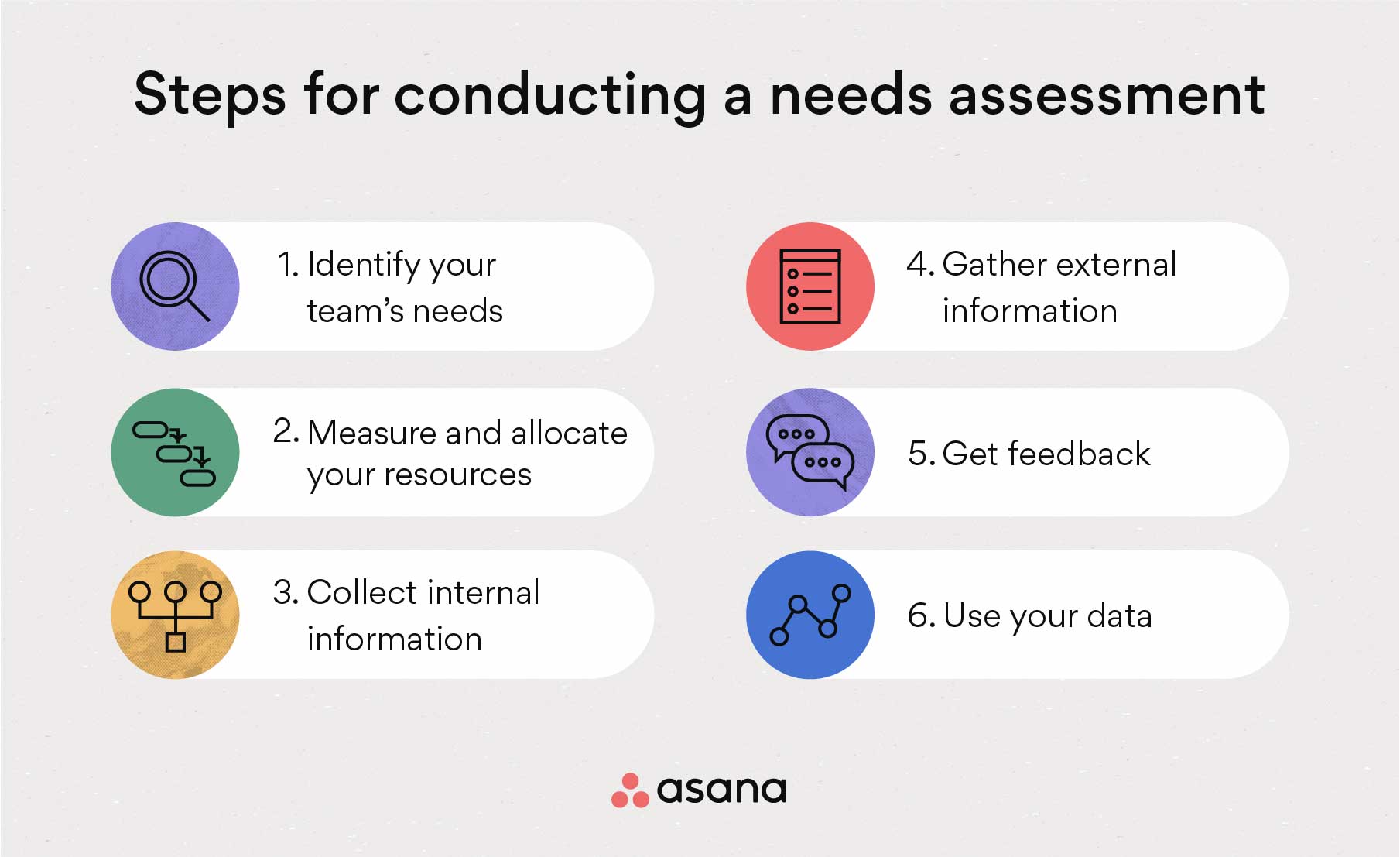 operations and decrease service quality [3].
Best Practices:
- Needs Assessment: Directors should regularly assess their teams’ skills and knowledge gaps. This ensures that training resources are directed toward areas where they are most needed, increasing the impact of professional development initiatives [2].
- Diverse Learning Opportunities: A mix of in-person workshops, online modules, and peer-led learning groups provides flexibility and caters to different learning styles. Tay advocates for offering diverse training methods to maximize staff engagement and retention.[4]
- Mentorship Programs: Pairing new employees with experienced staff members for mentorship can be an effective strategy. Mentorship promotes knowledge-sharing and prepares junior staff for future leadership roles, facilitating long-term growth within the library system [1].
3. Performance Management
Challenges:
Managing staff performance can be a delicate task for library directors. Without clear objectives and regular feedback, staff may lack direction, leading to inefficiencies. Fischer [3] highlights the importance of consistent performance evaluations to ensure alignment between staff efforts and the library’s mission.
Best Practices:
- Setting Clear Objectives: Directors should set SMART (Specific, Measurable, Achievable, Relevant, and Time-bound) goals for staff members. This lets
employees understand their expectations and how their work contributes to library success [1].
- Regular Performance Reviews: Conducting annual or bi-annual performance reviews provides an opportunity to give feedback, recognize achievements, and set future goals. Regular check-ins help address issues before they escalate and keep staff on track [3].
- Professional Development Plans: Collaborating with employees to create individual growth plans fosters a sense of ownership and investment in personal development. These plans can include educational goals and leadership training to enhance employee engagement and morale [4].
4. Adapting to Technological Changes
Challenges:
As libraries increasingly rely on digital tools, staff must adapt to new technologies. However, resistance to change and the steep learning curves of new software can present significant challenges. Cox and Corrall note that library staff may hesitate to embrace new systems without adequate support. [2]
Best Practices:
 Ongoing Training: Implementing regular technology training sessions helps staff remain comfortable with new tools. As technology evolves, training should be updated to include the latest features and best practices [1].
- Inclusive Implementation: Library directors should involve staff in selecting and implementing new technologies. By involving staff early in the process, libraries can ensure smoother transitions and a more positive reception of new systems [2].
- Support Systems: Establishing help desks or peer support groups for troubleshooting allows staff to feel confident using new technologies. A collaborative support system fosters a learning environment and reduces technological anxiety [4].
5. Succession Planning
Challenges:
Succession planning is critical to ensure that libraries function smoothly during leadership transitions. However, many libraries lack a structured process for identifying and nurturing future leaders, which can create instability when senior staff retire or leave [3].
Best Practices:
- Identify Future Leaders: Directors should actively look for potential leaders within their staff and create a pipeline for leadership development. This can include offering leadership training, shadowing opportunities, and cross-departmental projects [4].
- Cross-Training: Offering employees the chance to work in different areas of the library increases their skill set and prepares them for future roles. Cross-training fosters versatility and ensures continuity when key staff members are absent or transition to new positions [1].
- Documenting Institutional Knowledge: Maintaining records of library policies and procedures is essential. Comprehensive documentation can smooth leadership transitions and preserve institutional knowledge [2].
6. Diversity and Inclusion
Challenges:
Diversity and inclusion are significant focus areas for library directors, as creating an equitable workplace can be challenging without intentional policies. Libraries 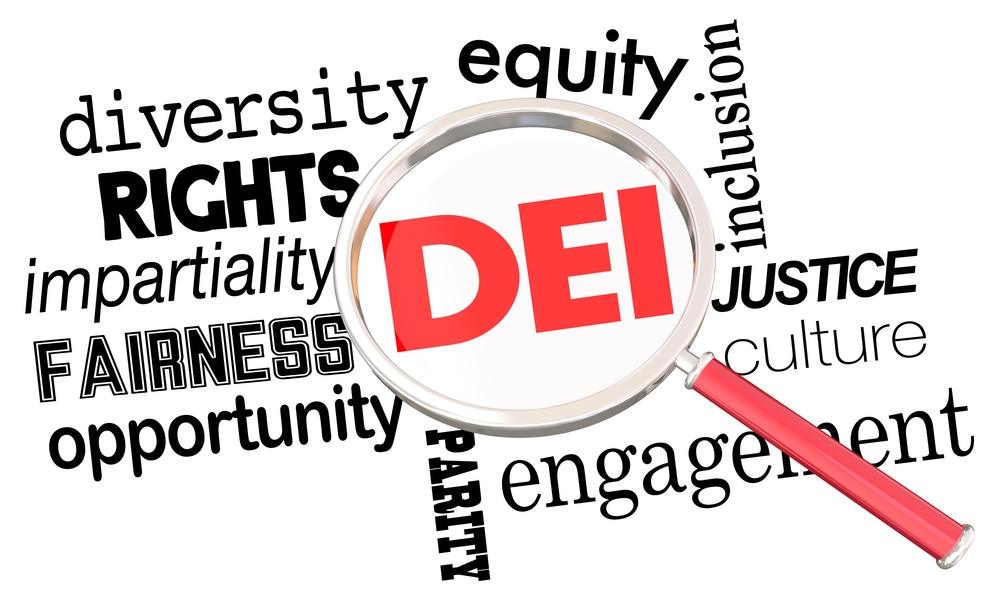 must actively work to ensure representation in their workforce and promote an inclusive environment for all employees [3].
Best Practices:
- Inclusive Hiring Practices: Library directors should develop hiring practices that promote diversity, such as utilizing diverse hiring panels and developing job descriptions that appeal to a broad range of candidates. Engaging in targeted recruitment efforts also helps bring diverse talent into the organization [1].
- Cultural Competency Training: Directors should prioritize diversity training programs, which include anti-bias and cultural competency training. This helps staff understand the importance of inclusive behavior and ensures they can work with diverse patrons effectively [2].
- Employee Resource Groups: Supporting ERGs within the library provides employees with a sense of community and allows them to discuss diversity-related issues in a supportive environment [4].
Library directors face numerous HR challenges, from recruitment to succession planning and diversity issues. However, directors can build a motivated and effective team by employing best practices such as clear performance metrics, inclusive hiring, and continuous professional development. Addressing HR challenges ensures the long-term success and sustainability of library operations.
References
- American Library Association. (n.d.). Guidelines for recruiting academic librarians. https://www.ala.org/acrl/standards/recruitingguide
- Cox, A. and Fulton, C. (2022), “Geographies of information behaviour: a conceptual exploration,” Journal of Documentation, Vol. 78 No. 4, pp. 745-760. https://doi.org/10.1108/JD-05-2021-0105
- Fischer, R. K. (2018). Human resource challenges for public libraries: survey results. Public Library Quarterly, 37(3), 279–295. https://doi.org/10.1080/01616846.2018.1437520
- Tay, A. (2022, August 245. Chapter 6. Improving Access to and Delivery of Academic Content from Libraries: A Roundup. Tay | Library Technology Reports. https://journals.ala.org/index.php/ltr/article/view/7853