
Trauma-Informed Librarians: Catalysts for Healing in War-Torn Regions
In regions devastated by war, the scars of conflict extend far beyond the physical destruction of buildings and infrastructure. The psychological and emotional toll on communities is profound, with trauma seeping through for generations. Amid such devastation, libraries emerge as powerful spaces for healing, education, and resilience. When staffed by trauma-informed librarians, these institutions transform into sanctuaries that provide solace, foster hope, and contribute meaningfully to the rebuilding of communities.
The Principles of Trauma-Informed Librarianship
Trauma-informed librarianship is a practice that recognizes the widespread impact of trauma  and seeks to mitigate its effects by creating safe, supportive, and empowering environments. At its core, it emphasizes six principles: safety, trustworthiness, peer support, collaboration, empowerment, and cultural sensitivity (1). These principles are particularly crucial in war-torn regions where individuals—especially children—face the psychological repercussions of violence, displacement, and loss.
A trauma-informed librarian approaches each interaction with an understanding of how trauma can shape behavior and responses. This perspective ensures that library services do not inadvertently re-traumatize individuals but provide them with tools and resources to process their experiences constructively.
The Role of Libraries in War-Torn Regions
Libraries in conflict zones often serve as more than just repositories of books. They become community centers, information hubs, and safe havens. We’ve seen this happen in recent times and the past. Their roles include:
1. Providing a Safe Space
In war zones, safety is a luxury. Libraries offer a rare refuge from the chaos, where individuals can experience a sense of normalcy. This environment is critical for mental health, particularly for children who have witnessed violence. Since there are laws protecting
2. Facilitating Access to Information
Accurate information is vital in crises. Libraries provide health, education, and legal rights resources, empowering individuals to navigate their circumstances effectively.
3. Preserving Cultural Heritage
War often threatens the erasure of cultural identity. Libraries play a key role in preserving and documenting cultural artifacts, ensuring that a community’s heritage endures despite the conflict.
4. Fostering Community Connection
Libraries act as communal spaces where individuals can share their stories, find support, and rebuild a sense of belonging. This social interaction is crucial for healing.
Trauma-Informed Librarians: Agents of Change
The impact of trauma-informed librarians extends far beyond traditional library services. Their.jpg) training enables them to:
training enables them to:
1. Recognize and Respond to Trauma
By understanding the signs of trauma, librarians can tailor their interactions to be empathetic and supportive. For instance, they might use calming techniques when working with children who display anxiety or aggression as a result of their experiences.
2. Develop Specialized Programs
Trauma-informed librarians design programs that address specific needs. Examples include bibliotherapy sessions where patrons explore healing through literature, art therapy workshops, and storytelling events that allow individuals to process their experiences.
3. Collaborate with Other Services
Libraries often partner with NGOs, mental health professionals, and educators to provide holistic support. Trauma-informed librarians are central to these collaborations, ensuring library resources align with broader community recovery efforts.
4. Promote Emotional Resilience
By fostering a sense of safety and empowerment, trauma-informed librarians help individuals build resilience. It is especially vital for children who benefit from structured activities that restore a sense of stability and routine.
Case Studies: Trauma-Informed Practices in Action
1. Syrian Refugee Camps in Jordan
Libraries established in Syrian refugee camps, such as those run by the United Nations High Commissioner for Refugees (UNHCR), have incorporated trauma-informed principles into their operations. These libraries provide educational materials and emotional support through storytelling sessions and creative workshops. Trained librarians help children process their experiences of war and displacement in a safe, nurturing environment (2).
2. The Library of Mosul, Iraq
After being destroyed during the occupation by ISIS, the Library of Mosul has become a symbol of resilience. As the library rebuilds, trauma-informed librarians engage the community by collecting stories of survival and offering programs that focus on healing. They have organized workshops for children to draw and write about their experiences, fostering emotional expression and connection (3).
3. Palestinian Territories
In Gaza, libraries have partnered with mental health organizations to address the psychological impact of ongoing conflict. Trauma-informed librarians conduct group reading sessions focusing on themes of hope and resilience, providing children with narratives that help them envision a brighter future (4).
Challenges of Trauma-Informed Librarianship in War Zones
While the benefits of trauma-informed librarianship are evident, implementing these practices in conflict regions is fraught with challenges:
1. Resource Constraints
War-torn regions often face severe funding shortages, materials, and trained staff. Building and sustaining trauma-informed library programs require significant investment, which can be challenging to secure.
2. Security Risks
Librarians and patrons alike face physical dangers in conflict zones. Ensuring safety while maintaining access to services is a constant struggle.
3. Cultural Sensitivity
Understanding and respecting cultural norms is essential to being a librarian in a war-torn region. Trauma-informed practices should be adapted to fit the specific context of each community, which requires ongoing learning and engagement.
4. Emotional Toll on Librarians
Supporting traumatized individuals can take a psychological toll. Providing adequate training and mental health support for library staff is critical to sustain trauma-informed services.
The Future of Trauma-Informed Librarianship
Specific strategies used to enrich the impact of trauma-informed librarianship in war-torn regions:
1. Investing in Training and Resources
Organizations must prioritize the training of librarians in trauma-informed practices. This includes workshops, online courses, and access to mental health professionals who can guide their work.
2. Building Global Partnerships
Collaboration with international organizations such as UNESCO, UNICEF, and the International Federation of Library Associations (IFLA) can provide the financial and logistical support needed to sustain libraries in conflict zones.
3. Leveraging Technology
Digital and mobile libraries can extend the reach of trauma-informed services to remote or 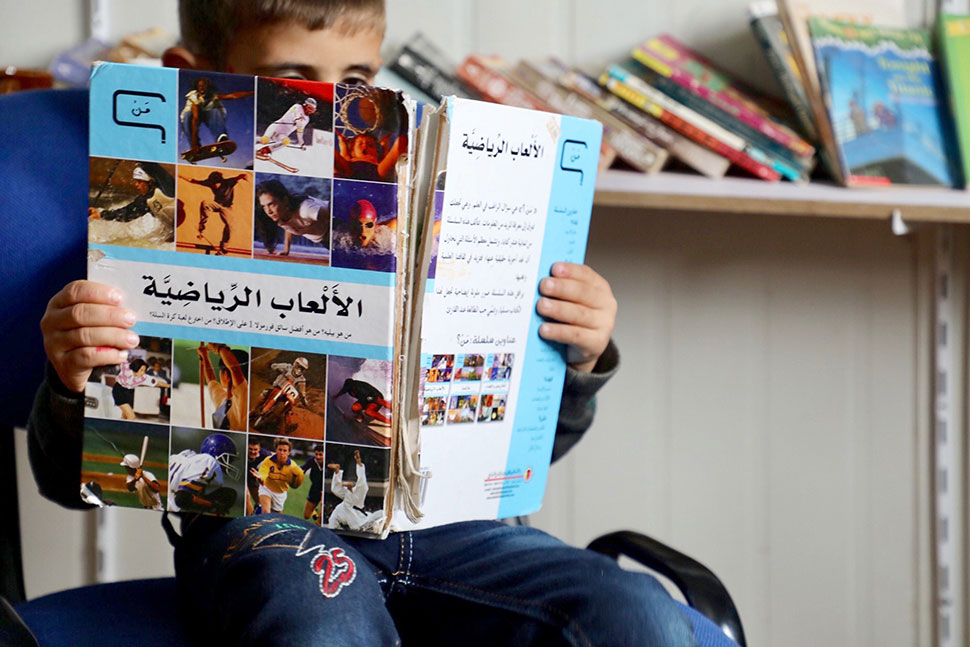 dangerous areas. E-books, online workshops, and virtual storytelling sessions can complement physical resources.
4. Advocating for Policy Support
Governments and policymakers must recognize the critical role libraries play in post-conflict recovery. Advocacy efforts should focus on securing funding and legislative support for trauma-informed library initiatives.
Amid conflict and devastation, trauma-informed librarians stand as beacons of hope. By transforming libraries into safe spaces for healing, learning, and community building, they play a pivotal role in helping individuals and societies recover from the ravages of war. Their work addresses the immediate needs of trauma-affected populations and lays the foundation for long-term resilience and peace.
As the global community continues to grapple with the consequences of conflict, investing in trauma-informed librarianship is a moral imperative and a practical strategy for fostering healing and rebuilding lives. With the proper support and resources, these dedicated professionals can continue to make a profound difference in the lives of those most in need.
Sources
- American Library Association. (n.d.). Trauma-informed services. https://alastore.ala.org/PLAtiframework
- Price, S. (2020, July 2). Bringing Books to the Desert | American Libraries Magazine. American Libraries Magazine. https://americanlibrariesmagazine.org/2020/07/01/bringing-books-desert-zaatari-refugee-library/
- Al-Samarraie, J. (2025, January 5). Mosul Central Library reopens, symbolizing Iraq’s cultural resilience. Iraqi News. https://www.iraqinews.com/iraq/mosul-central-library-restoration/
- Seidi, P., & Jaff, D. (2019). Mental health in conflict settings. The Lancet, 394(10216), 2237–2238. https://doi.org/10.1016/s0140-6736(19)32554-1