Top 10 Reasons Parents Cite for Banning Books in School Libraries
Book banning in school libraries has been a contentious issue in the United States for decades. While many argue that access to diverse literature is crucial for students’ education and development, some parents and community members push to remove certain books from school shelves. Let’s review the top 10 reasons commonly cited by parents and advocates when calling for book bans in school libraries.
- Sexual Content
One of the most frequently cited reasons for book challenges is the presence of sexual content. Parents often express concerns about explicit sexual descriptions, discussions of sexual activities, or depictions of sexual relationships they deem inappropriate for young readers. Books like “Gender Queer: A Memoir” by Maia Kobabe and “This Book is Gay” by Juno Dawson have faced challenges due to their sexual content (1).
- Profanity and Vulgar Language
The use of profanity, curse words, or language considered vulgar is another common reason for book challenges. Parents argue that exposure to such language in literature may negatively influence students’ vocabulary and behavior. For example, “The Absolutely True Diary of a Part-Time Indian” by Sherman Alexie has been challenged partly due to its use of profanity (2).
- Violence and Gore
Books containing graphic depictions of violence or gore draw criticism from parents concerned about their potential impact on young readers. Some argue that exposure to violent content in literature may desensitize students or promote aggressive behavior. The “Hunger Games” series by Suzanne Collins has faced challenges in some school districts due to its violent themes (3).
- LGBTQ+ Themes and Characters
Books featuring LGBTQ+ characters or exploring themes related to gender identity and sexual orientation have increasingly become targets for challenges. Some parents argue that such content is inappropriate for young readers or conflicts with their personal beliefs. “All Boys Aren’t Blue” by George M. Johnson has recently been one of the most contested books due to its LGBTQ+ content (1).
- Religious Objections
Books perceived to conflict with religious beliefs or promote alternative spiritual views often face challenges from parents. This can include works criticizing organized religion, exploring other faiths, or containing elements of magic or the supernatural. The Harry Potter series by J.K. Rowling has faced numerous challenges based on religious objections to its depiction of witchcraft (4).
- Racial Themes and Language
Works addressing racial issues or containing racial slurs, even in historical context, have been subject to challenges. Some parents argue that such content may promote racial division or expose students to offensive language. “To Kill a Mockingbird” by Harper Lee, despite its anti-racist message, has faced challenges due to its use of racial slurs and depiction of racism (5).
- Drug and Alcohol Use
Books that depict or discuss drug and alcohol use, particularly by young characters, often draw criticism from parents. Concerns typically center around fears that such content may glamorize or normalize substance use for young readers. “Crank” by Ellen Hopkins has been challenged numerous times due to its depiction of teenage drug use (6).
- Political Ideologies
Works perceived as promoting particular political ideologies or criticizing certain political views have faced challenges in school libraries. Some 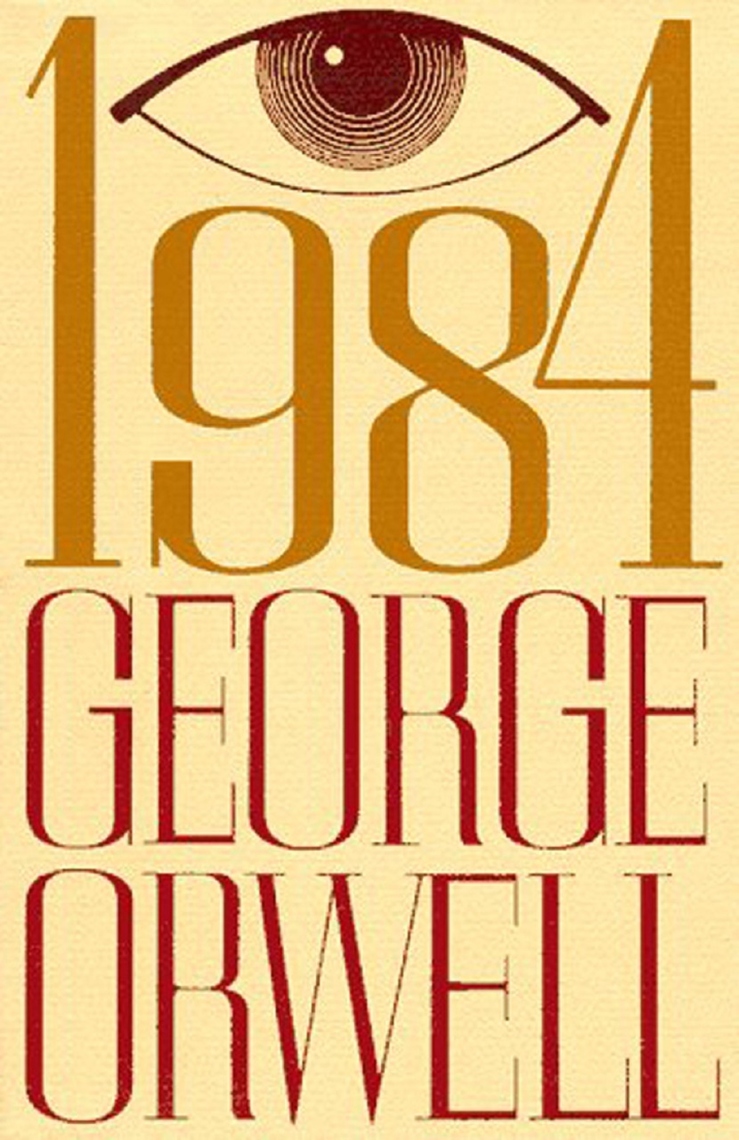
- Mental Health and Suicide
Books addressing mental health issues, particularly those depicting suicide or self-harm, have been subject to challenges. Some parents argue that exposure to such content may harm vulnerable students or normalize dangerous behaviors. “Thirteen Reasons Why” by Jay Asher has been challenged in many school districts due to its central theme of teenage suicide (8).
- Age-Inappropriate Content
Many challenges are based on the argument that certain books, while perhaps suitable for older readers, contain themes or content inappropriate for the age group that would have access to them in a school library. This broad category can encompass many of the previous reasons but focuses on the developmental appropriateness of the material. “The Bluest Eye” by Toni Morrison has faced challenges on the grounds of being age-inappropriate due to its mature themes and content (9).
It’s important to note that while these are common reasons cited for challenging books, banning books remains controversial. Many educators, librarians, and free speech advocates argue that exposure to diverse perspectives and challenging material is crucial for students’ critical thinking skills and personal development.
Organizations like the American Library Association (ALA) actively work to protect the freedom to read and oppose censorship in libraries. The ALA’s Office for Intellectual Freedom tracks challenges to books in schools and libraries, supporting institutions facing pressure to remove books from their shelves (10).
Proponents of keeping challenged books in school libraries argue that parents have the right to guide their children’s reading choices but not restrict access for all students. They contend that school libraries should offer various perspectives and that students benefit from exposure to diverse ideas and experiences through literature.
Recent Developments in Book Banning Controversies
The debate over book banning in school libraries has recently escalated to legal action in some states. In a significant development, five major book publishers filed a federal lawsuit against a Florida school district in April 2023, alleging that a new state law violates the First Amendment (11). This lawsuit represents a notable escalation in the ongoing national debate over book banning in schools.
The publishers, including Penguin Random House, Simon & Schuster, and Macmillan, are challenging a Florida law that requires school districts to be transparent about the materials available in their libraries. The law also makes it easier for parents and residents to challenge and potentially remove books they deem inappropriate. The publishers argue that this law has eliminated hundreds of titles from school library shelves in Escambia County, Florida (11).
This legal action highlights the tension between efforts to give parents more control over their children’s education and the protection of First Amendment rights. The publishers contend that the law and its implementation have resulted in viewpoint-based restrictions on access to information, which they argue is unconstitutional.
The Florida case is part of a broader national trend. In 2022, the American Library Association reported 1,269 demands to censor library books and resources, the highest number since the organization began compiling such data more than 20 years ago (12). This surge in challenges and the resulting legal battles underscore the intensifying debate over intellectual freedom in schools.
The lawsuit in Florida also brings attention to the economic impact of book banning on publishers. With hundreds of books potentially removed from school libraries, publishers face significant financial repercussions. This economic aspect adds another layer to the complex issue of book banning, involving educational and constitutional concerns and commercial interests.
As these legal and cultural battles continue, they reflect broader societal debates about education, parental rights, and the role of literature in shaping young minds. The outcome of cases like the one in Florida could have far-reaching implications for how books are selected and challenged in school libraries across the United States.
Understanding the common reasons behind book challenges can foster more informed discussions about literature selection, age-appropriate content, and the crucial role of diverse perspectives in education. As society grapples with these issues, addressing parental concerns and preserving intellectual freedom remains a significant challenge for schools and libraries nationwide.
Sources:
- American Library Association. (2023). Top 10 Most Challenged Books Lists. https://www.ala.org/advocacy/bbooks/frequentlychallengedbooks/top10
- The absolutely true diary of a Part-Time Indian. (n.d.). Goodreads. https://www.goodreads.com/book/show/693208.The_Absolutely_True_Diary_of_a_Part_Time_Indian
- Whelan, D. L. (2009). A dirty little secret: Self-censorship. School Library Journal, 55(2), 26-30. https://www.slj.com/story/a-dirty-little-secret-self-censorship
- Bald, M. (2006). Literature suppressed on religious grounds. Infobase Publishing. https://openlibrary.org/books/OL25113406M/Literature_Suppressed_on_Religious_Grounds_(Banned_Books)#:~:text=Many%20of%20the%20world%27s%20major%20religious%20texts%2C%20including,or%20reflect%20dissenting%20views%20have%20also%20been%20suppressed.
- Petersen, R. J. (2014). To Kill a Mockingbird: Successes and challenges. In Critical Insights: To Kill a Mockingbird (pp. 43-59). Salem Press. https://salempress.com/Critical-Insights-to-kill-a-mockingbird
- Goodnow, C. (2007, October 14). Teen novelist Ellen Hopkins fights censorship. Seattle Post-Intelligencer. https://www.seattlepi.com/ae/books/article/Teen-novelist-Ellen-Hopkins-fights-censorship-1252330.php
- Taylor, D. J. (2019). On Nineteen Eighty-Four: A Biography. Abrams. https://www.goodreads.com/book/show/43908974-on-nineteen-eighty-four
- Asher, J. (2017, April 13). ’13 Reasons Why’ author Jay Asher on censorship: ‘Recognizing that youth are facing these issues is important.’ Entertainment Weekly. https://ew.com/article/2011/06/15/jay-asher-wsj-ya/
- Morrison, T. (2007). The bluest eye. Vintage International. https://www.abebooks.com/servlet/BookDetailsPL?bi=31726953049
- American Library Association. (2023). Banned & Challenged Books. http://www.ala.org/advocacy/bbooks
- Findell, E. (2023, April 13). Book Publishers Sue Florida, Alleging School Library Law Violates First Amendment. The Wall Street Journal. https://www.wsj.com/us-news/education/book-publishers-sue-florida-alleging-school-library-law-violates-first-amendment-a283bf71
- American Library Association. (2023). Number of Book Challenges Doubles in 2022. https://www.ala.org/news/press-releases/2023/03/record-book-bans-2022