
The Crucial Role of HR in Modern Libraries
Libraries are evolving with their communities, and with those changes comes the need for enhanced employee relations within the library. As these institutions adapt to meet the changing needs of their patrons, the importance of having an established Human Resources (HR) department or leader has become increasingly apparent. HR plays a critical role in modern libraries by contributing to organizational success, employee satisfaction, and the overall quality of service provided to the community.
The Changing Face of Libraries
Libraries today face numerous challenges, from budget constraints to rapid technological advancements. They must also address the diverse needs of their communities while maintaining relevance in the digital age. In this context, effective human resource management has become essential for libraries to thrive and fulfill their missions.
A 2022 American Library Association (ALA) study found that 73% of public libraries reported increased service demands over the past five years, while 62% faced budget cuts or stagnation [1]. This discrepancy between growing responsibilities and limited resources underscores the need for strategic HR management to optimize workforce capabilities and ensure efficient operations.
Critical Functions of HR in Libraries
- Recruitment and Retention
One of the primary HR responsibilities in libraries is attracting and retaining talented staff. With the library profession becoming increasingly specialized, HR plays a crucial role in identifying candidates with the right mix of skills and qualifications. [2]. Moreover, HR departments are instrumental in developing retention strategies. It’s reasonable to surmise that libraries with established HR practices experienced a lower turnover rate among professional staff [2]. This stability is crucial for maintaining institutional knowledge and ensuring consistent service quality.
- Professional Development and Training
Continuous learning is essential for library staff in an era of rapid technological change. HR departments are responsible for identifying skill gaps and coordinating professional development opportunities. A 2024 survey by the Public Library Association (PLA) found that libraries with dedicated HR personnel offered 40% more training hours per employee annually compared to those without [3].
This focus on professional development enhances staff capabilities and contributes to job satisfaction and career progression. The PLA survey reported that 82% of library employees in institutions with robust HR-led training programs felt more confident meeting patrons’ needs [3].
- Performance Management and Evaluation
Effective HR leadership ensures libraries have clear performance standards and fair evaluation processes. Since libraries are reputed to be inclusive and responsible, employee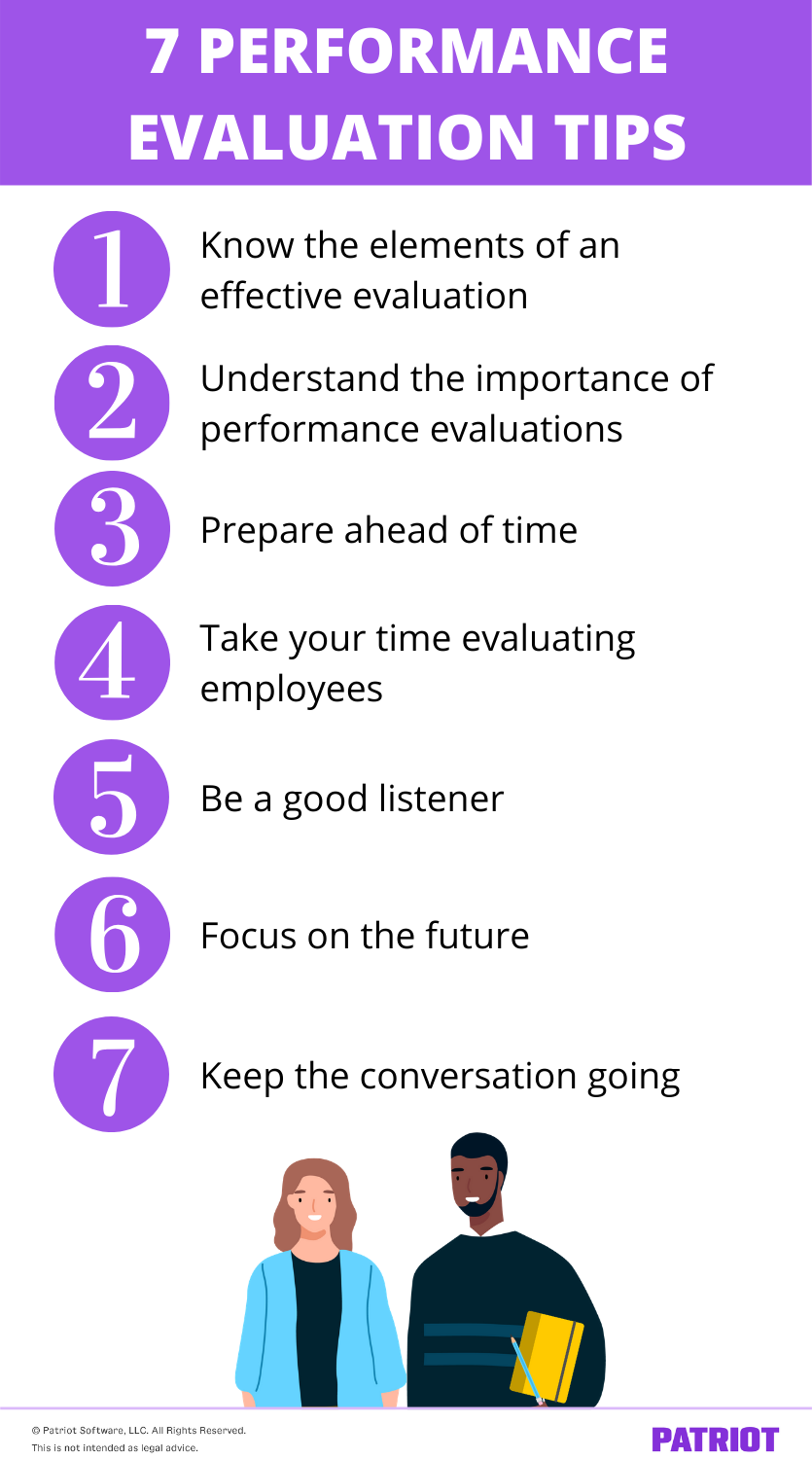 management policies must reflect that. This is particularly important in public institutions where accountability and transparency are essential. [4].
- Diversity, Equity, and Inclusion (DEI) Initiatives
Libraries serve diverse communities; their staff must reflect and understand this diversity. HR departments play a pivotal role in developing and implementing DEI initiatives. The ALA’s 2024 Diversity Counts report showed that libraries with dedicated HR professionals were twice as likely to have comprehensive DEI programs in place [5].
These initiatives promote a more inclusive workplace and enhance the library’s ability to serve its community. The report found that libraries with vital DEI programs experienced a 45% increase in engagement from underrepresented community groups [5].
- Compliance and Legal Issues
Libraries, especially public institutions, must navigate a complex landscape of employment laws, regulations, and policies. HR departments ensure compliance with these requirements, protecting the institution and its employees. Organizations with dedicated HR support often have fewer overall labor law problems [6].
- Employee Relations and Conflict Resolution
HR leaders play a crucial role in maintaining a positive work environment and addressing conflicts when they arise. This is particularly important in libraries, where teamwork and collaboration are essential for quality service. [7].
The Impact of HR on Library Performance
The presence of an established HR department or leader has a demonstrable impact on overall library performance. A study in Social Sciences & Humanities Open recommends that academic libraries focus on rank advancement procedures and improving working conditions to sustain long-term employee satisfaction, leading to better retention and performance. [8]
- Patron Satisfaction: Libraries with established HR departments have a higher patron satisfaction rate.
- Program Attendance: These libraries saw increased program attendance over three years.
- Staff Retention: The average tenure of professional staff was longer in libraries with dedicated HR support.
- Innovation: Libraries with HR departments were more likely to successfully implement new services or technologies.
- Community Engagement: Institutions had higher community partnerships and collaboration rates.
Challenges and Solutions
Despite the clear benefits, many libraries, especially smaller ones, need help establishing dedicated HR departments due to budget constraints. However, there are several strategies that libraries can employ to address this:
- Shared Services: Smaller libraries can pool resources with other institutions or local government agencies to access HR expertise.
- Professional Development: Existing staff can be trained in HR fundamentals to handle essential functions.
- Technology Adoption: HR management software can streamline many processes, reducing the need for extensive personnel.
- Consultants: Libraries can engage HR consultants for specific projects or on a part-time basis.
The success of the human resources function can be gauged by the extent to which the workforce aligns with organizational priorities, how readily organizational members embrace change, the depth of leadership competency throughout organizational levels, the degree to which the organization is a learning organization, and whether creativity and innovation are fostered [9].
As libraries evolve and face new challenges, effective human resource management becomes increasingly crucial for their success. From recruitment and retention to professional development, performance management, and fostering diversity and inclusion, HR plays a vital role in shaping the future of libraries.
The evidence shows that libraries with dedicated HR support outperform their counterparts in various metrics, including patron satisfaction, staff retention, and innovation. While smaller libraries may face challenges in establishing full-fledged HR departments, creative solutions can provide many benefits at a fraction of the cost.
References
- American Library Association. (2022). State of America’s Libraries Report 2022. https://www.ala.org/news/state-americas-libraries-report-2022
- Nelson T. M. (2021). Emerging Human Resource Trends in Academic Libraries. Journal of the Medical Library Association: JMLA, 109(4), 704. https://doi.org/10.5195/jmla.2021.1320
- Public Library Association. (2024). Professional Development in Public Libraries: A National Survey. https://www.ala.org/pla/data/plasurveys
- Cabral, S. (2024). Performance Management in Public and Nonprofit Organizations. In: Strategy for Public and Nonprofit Organizations. Palgrave Macmillan, Cham. https://doi.org/10.1007/978-3-031-64969-1_5.
- American Library Association. (n.d.-b). Diversity counts. https://www.ala.org/aboutala/offices/diversity/diversitycounts/divcounts
- Fleischer, C. H., Esq. (2023, December 21). Employment Law 101: Tax-Exempt status for nonprofits. SHRM. https://www.shrm.org/topics-tools/news/employment-law-101-tax-exempt-status-nonprofits
- Akosah, Henry Opoku and Ndaago, Abudu Issah, and Lamptey, Richard Bruce, Job Satisfaction in Academic Libraries: An Examination of the Level of Satisfaction Among Library Staff. http://dx.doi.org/10.2139/ssrn.4618404
- Peretz, H. (2024). Sustainable Human Resource Management and Employees’ Performance: the impact of National culture. Sustainability, 16(17), 7281. https://doi.org/10.3390/su16177281
9. Mierke, J. (2016). Defining Success for Library Human Resources. The International Information & Library Review, 48(3), 217–223. https://doi.org/10.1080/10572317.2016.1205424